Can research peptides be used in cardiovascular research? Research Peptide

Hey there, folks! I’m a supplier of research peptides, and I often get asked if these little guys can be used in cardiovascular research. Well, let me tell you, the answer is a resounding yes! In this blog, I’m gonna break down why research peptides are so valuable in the field of cardiovascular studies and share some real – world examples.
First off, what are research peptides? Peptides are short chains of amino acids. They’re like the building blocks of proteins, but smaller. They can play all sorts of roles in our bodies, from signaling to regulating various biological processes. And because they’re relatively easy to synthesize in the lab, we can create specific peptides with different functions for research purposes.
So, how do they fit into cardiovascular research? The cardiovascular system is super complex. It includes the heart, blood vessels, and the blood itself. Keeping this system healthy is crucial for overall well – being, and any issues can lead to serious problems like heart attacks and strokes.
One of the main benefits of using research peptides in cardiovascular research is their ability to mimic natural biological processes. For example, some peptides can mimic the action of vasoactive substances. Vasoactive substances are chemicals that can change the diameter of blood vessels. By using peptides that mimic these substances, researchers can study how blood vessels expand or contract. This is important because issues with blood vessel dilation can lead to high blood pressure.
Let’s take endothelin, for instance. Endothelin is a peptide that’s naturally produced in the body and causes blood vessels to constrict. Researchers can use synthetic endothelin – like peptides to study the mechanisms of vasoconstriction in detail. They can look at how different cells in the blood vessel walls respond to these peptides and figure out how to block or enhance this response.
Another area where research peptides shine is in understanding heart function. The heart is a muscle that beats constantly to pump blood throughout the body. There are several peptides that are involved in regulating heart rhythm and contractility. One such peptide is atrial natriuretic peptide (ANP). ANP is released by the heart when it’s stretched, and it helps to lower blood pressure by increasing the excretion of sodium and water from the body and relaxing blood vessels.
Scientists can use synthetic ANP or analogs of ANP in research. They can study how these peptides interact with receptors in the heart and blood vessels. This helps in understanding how the heart adapts to different physiological and pathological conditions. For example, in heart failure, the normal function of ANP might be disrupted. By using research peptides, we can study ways to restore or enhance its function.
Peptides are also great for studying atherosclerosis. Atherosclerosis is the hardening and narrowing of the arteries due to the buildup of plaque. Some research peptides can target specific molecules involved in the formation of plaque, such as adhesion molecules. These molecules allow immune cells to stick to the blood vessel walls, which is an early step in plaque formation.
By using peptides that block these adhesion molecules, researchers can study how to prevent the initial stages of atherosclerosis. This could potentially lead to the development of new drugs to treat or prevent this common and dangerous condition.
In addition to basic research, research peptides are also useful in pre – clinical trials. Before a new drug can be tested on humans, it has to go through a lot of testing in animals. Peptides can be used in these pre – clinical models to evaluate their safety and efficacy. Since peptides are relatively small and can be easily modified, it’s easier to study their pharmacokinetics (how the body processes them) and pharmacodynamics (how they act on the body).
For example, if a new peptide – based drug is being developed to treat arrhythmias (irregular heartbeats), it can be first tested in animal models. Scientists can see how the peptide affects the heart rate, rhythm, and other cardiovascular parameters. They can also look for any side effects or toxicity associated with the peptide.
Now, I know what you might be thinking. Are there any challenges in using research peptides for cardiovascular research? Well, there are a few. One of the main challenges is stability. Peptides can be easily degraded by enzymes in the body or in the test environment. This means that researchers have to come up with ways to protect the peptides and make them more stable. For example, they can modify the peptide structure to make it more resistant to enzymatic degradation.
Another challenge is delivery. Getting the peptides to the right place in the body where they’re needed can be tricky. In the case of cardiovascular research, the peptides need to reach the heart and blood vessels. Sometimes, they might be broken down before they even reach their target. Scientists are working on developing new delivery systems, like nanoparticles, to better deliver peptides to the cardiovascular system.
Despite these challenges, the potential of research peptides in cardiovascular research is huge. There are so many unanswered questions in the field, and peptides can provide a new way to explore these questions.
As a research peptide supplier, I’m really excited about the future of cardiovascular research with these peptides. We offer a wide range of high – quality research peptides that can be used in various cardiovascular studies. Whether you’re looking for peptides to study vasoconstriction, heart function, or atherosclerosis, we’ve got you covered.
If you’re involved in cardiovascular research or know someone who is, and you’re interested in using research peptides in your studies, don’t hesitate to reach out. We can work with you to find the right peptides for your specific research needs. We can also provide you with all the information you need about the peptides, including their purity, stability, and recommended usage.
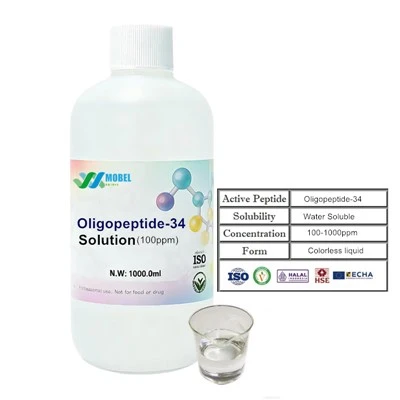
So, if you’re thinking about incorporating research peptides into your cardiovascular research, now’s the time. Let’s take this exciting journey together and unlock the secrets of the cardiovascular system with these amazing peptides!
Skin Whitening Ingredient References
- Braunwald E, Zipes DP, Libby P. Heart Disease: A Textbook of Cardiovascular Medicine. Saunders; 2007.
- Peptide Research: A Comprehensive Guide. Academic Press; 2010.
- Journal of Cardiovascular Research. Multiple publications on peptide – related cardiovascular studies over the past decade.
Mobel Biomaterials Technology Co., Ltd.
As one of the most professional research peptide manufacturers and suppliers in China, we have world-leading production equipment and strong manufacturing capabilities. Please rest assured to buy bulk high quality research peptide made in China here from our factory. For more cheap products, contact us now.
Address: 25 No.Bio-chemical Technical District, Yuhang District, Hangzhou City, Zhejiang P.R China 310001
E-mail: service@mobelbiochem.com
WebSite: https://www.mobelbiochem.com/
