Hey there! As a supplier of Mill – Turn Machines, I’ve seen firsthand how crucial it is for these machines to have good rigidity. Rigidity in a Mill – Turn Machine can make a huge difference in the quality of the work it produces, the efficiency of the manufacturing process, and even the lifespan of the machine itself. So, in this blog post, I’m gonna share some tips on how to improve the rigidity of a Mill – Turn Machine. Mill-Turn Machine Machine

Understanding Rigidity in Mill – Turn Machines
Before we dive into the ways to improve rigidity, let’s quickly talk about what it means. Rigidity in a Mill – Turn Machine refers to its ability to resist deformation under the forces applied during the machining process. When a machine is rigid, it can maintain accurate tool positioning and consistent cutting forces, which leads to better surface finishes, tighter tolerances, and fewer errors in the finished parts.
1. Choose the Right Machine Structure
One of the first steps in improving rigidity is to pick the right machine structure. Different Mill – Turn Machines come with various designs, and some are more rigid than others.
For example, machines with a box – way structure are generally more rigid compared to those with linear guides. Box ways offer a larger contact area, which distributes the cutting forces more evenly and reduces the chances of deflection. When selecting a machine, consider the type of work you’ll be doing. If you’re dealing with heavy – duty machining, like cutting tough materials or performing large – volume cuts, a box – way machine might be a better choice for its superior rigidity.
2. Optimize the Base and Bed Design
The base and bed of a Mill – Turn Machine play a crucial role in providing support and stability. A well – designed base and bed can absorb vibrations and prevent them from affecting the machining process.
To improve rigidity, make sure the base is made of a high – quality, heavy – duty material like cast iron. Cast iron has good damping properties, which means it can reduce the amplitude of vibrations generated during cutting. Also, look for a base with a ribbed design. The ribs add extra strength and stiffness to the base, helping it to better withstand the cutting forces.
The bed should also be designed to provide a solid foundation for the machine components. It should be wide enough to support the weight of the spindle, turret, and other moving parts without flexing. A properly designed bed can keep the machine components aligned, which is essential for maintaining rigidity and accuracy.
3. Strengthen the Spindle Assembly
The spindle is the heart of a Mill – Turn Machine, and its rigidity is vital for achieving high – quality machining results. There are a few things you can do to strengthen the spindle assembly.
First, choose a spindle with a large diameter. A larger – diameter spindle is generally more rigid because it has a greater cross – sectional area, which can better resist bending forces. Also, pay attention to the spindle bearings. High – quality bearings with proper pre – loading can significantly improve the spindle’s rigidity. They can reduce play and ensure smooth rotation, which is important for maintaining accurate cutting.
Another way to strengthen the spindle is to use a spindle cooling system. When the spindle gets too hot during operation, it can expand and cause dimensional changes, which affect rigidity. A cooling system helps to keep the spindle at a stable temperature, preventing thermal expansion and maintaining its rigidity.
4. Upgrade the Toolholding System
The toolholding system is responsible for holding the cutting tools in place during machining. A rigid toolholding system is essential for transferring the cutting forces from the tool to the machine without any deflection.
Invest in high – quality toolholders that are designed to provide a secure fit. Collet chucks, for example, are known for their excellent gripping force and rigidity. They can hold the cutting tools firmly, reducing the chances of tool movement and vibration. Also, make sure to regularly check and maintain the toolholding system. Loose or worn – out toolholders can compromise the rigidity of the machine and affect the quality of the machining.
5. Manage the Cutting Parameters
Properly managing the cutting parameters can also have a big impact on the rigidity of the Mill – Turn Machine. Cutting parameters such as cutting speed, feed rate, and depth of cut need to be carefully selected based on the material being machined and the capabilities of the machine.
If you set the cutting speed too high or the feed rate too fast, it can generate excessive cutting forces that the machine may not be able to handle. This can lead to vibrations, tool wear, and reduced rigidity. On the other hand, if the parameters are set too low, the machining process will be inefficient. So, it’s important to find the right balance.
Experiment with different cutting parameters to see what works best for your machine and the specific materials you’re working with. You can also consult the machine’s manufacturer or use cutting – parameter calculators to get some initial guidelines.
6. Regular Maintenance and Inspection
Just like any other piece of equipment, a Mill – Turn Machine requires regular maintenance and inspection to maintain its rigidity. Make sure to follow the manufacturer’s recommended maintenance schedule.
This includes cleaning the machine regularly to remove chips, coolant, and other debris that can accumulate and affect the performance of the moving parts. Lubricate the guideways, bearings, and other components as needed to reduce friction and wear. Also, check for any loose bolts, nuts, or other fasteners and tighten them if necessary.
Regularly inspect the machine for signs of wear or damage. Look for any cracks in the base, bed, or other structural components. If you notice any issues, address them promptly to prevent further deterioration of the machine’s rigidity.
7. Operator Training
Last but not least, operator training is crucial for maintaining the rigidity of a Mill – Turn Machine. A well – trained operator knows how to use the machine properly, including setting the right cutting parameters, handling the tools correctly, and performing routine maintenance.
Provide your operators with comprehensive training on the operation and maintenance of the Mill – Turn Machine. Make sure they understand the importance of rigidity and how their actions can affect it. Encourage them to report any issues or abnormalities they notice during operation so that they can be addressed quickly.
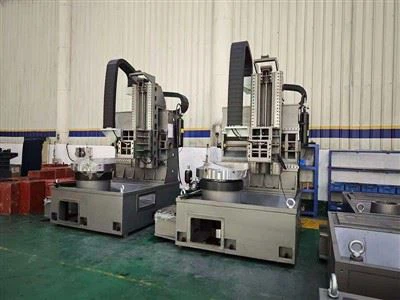
In conclusion, improving the rigidity of a Mill – Turn Machine is a multi – faceted process that involves choosing the right machine structure, optimizing the base and bed design, strengthening the spindle assembly, upgrading the toolholding system, managing the cutting parameters, performing regular maintenance and inspection, and providing operator training. By following these tips, you can enhance the performance of your Mill – Turn Machine, improve the quality of your machining, and increase the overall efficiency of your manufacturing process.
XYZ Linear Way Vertical Machining Center If you’re interested in learning more about Mill – Turn Machines or are looking to purchase one, I’d love to have a chat with you. Feel free to reach out for a procurement discussion. We can talk about your specific needs and how our machines can meet them.
References
- "Machining Technology: An Introduction" by Patrick G. DeGarmo
- "Modern Manufacturing Processes" textbook series
Smartech Machinery & Equipment Co., Ltd.
As one of the most professional mill-turn machine machine manufacturers and suppliers in China, we also support customized service. Please rest assured to buy bulk mill-turn machine machine made in China here from our factory. Contact us for more details.
Address: Room 2832, Changping Commercial Mansion, Shihua Road, Futian Free Trade Zone, Shenzhen, China
E-mail: smartech@smartechcnc.cn
WebSite: https://www.smartech-cnc.com/
