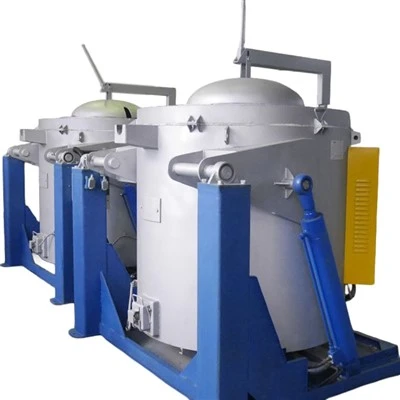
As a seasoned provider of annealing furnaces, I’ve witnessed firsthand how the size of these essential pieces of industrial equipment significantly influences their performance. In the realm of metal processing, annealing is a heat treatment process used to enhance the ductility of metals, relieve internal stresses, and improve their overall machinability and electrical conductivity. The size of an annealing furnace can affect several key performance aspects, including heating efficiency, temperature uniformity, production capacity, and operational costs. Annealing Furnace
Heating Efficiency
Heating efficiency is a critical factor in annealing furnace performance, as it directly impacts energy consumption and operational costs. The size of the furnace plays a pivotal role in determining how efficiently it can reach and maintain the desired annealing temperatures.
Smaller annealing furnaces generally have a higher heating efficiency compared to their larger counterparts. This is because they have a smaller volume to heat, which means less energy is required to raise the temperature of the interior to the target level. Additionally, smaller furnaces have a lower surface – to – volume ratio, reducing the amount of heat that is lost through the furnace walls. As a result, they can heat up more quickly and use less energy during the heating process.
On the other hand, larger annealing furnaces have a more substantial thermal mass. While this can be beneficial in terms of maintaining a stable temperature once the furnace reaches the set point, it also means that more energy is needed to heat up the furnace initially. The larger surface area of the furnace also leads to higher heat losses, which can further reduce the overall heating efficiency. However, modern large – scale furnaces are often equipped with advanced insulation materials and heating systems designed to minimize these losses.
Temperature Uniformity
Temperature uniformity is another crucial performance metric for annealing furnaces. It refers to the consistency of temperature throughout the furnace chamber during the annealing process. Proper temperature uniformity ensures that all parts of the metal workpiece are subjected to the same heat treatment, resulting in consistent material properties.
Small furnaces typically offer better temperature uniformity compared to large ones. The smaller volume allows for more even distribution of heat, and there are fewer areas where temperature gradients can form. In a small annealing furnace, heat transfer is more efficient, and it is easier to control the temperature within a narrow range.
In large annealing furnaces, achieving uniform temperature distribution can be more challenging. The sheer size of the furnace creates multiple zones with different temperature profiles. Factors such as the position of the heating elements, the flow of gases inside the furnace, and the presence of large workpieces can all contribute to temperature variations. Special design features, such as multiple heating zones, high – velocity fans for gas circulation, and sophisticated temperature control systems, are often required to ensure adequate temperature uniformity in large furnaces.
Production Capacity
One of the most obvious ways the size of an annealing furnace affects its performance is in terms of production capacity. Larger furnaces are capable of handling a greater volume of workpieces in a single batch, which can significantly increase the overall production rate.
For small – scale manufacturers or those with low – volume production requirements, a smaller annealing furnace may be sufficient. These furnaces are more compact and require less floor space, making them suitable for limited – space facilities. They also offer greater flexibility in terms of batch sizes, allowing for quick setup and changeovers between different types of workpieces.
In contrast, large annealing furnaces are ideal for high – volume production lines. They can accommodate large – scale workpieces or a large number of smaller parts simultaneously, reducing the number of batches required to process a given quantity of material. This not only increases productivity but also helps to streamline the manufacturing process and reduce labor costs.
Operational Costs
Operational costs are a major consideration for any manufacturing facility. The size of the annealing furnace can have a significant impact on various operational expenses, including energy consumption, maintenance, and labor.
As mentioned earlier, smaller furnaces generally have lower energy consumption due to their higher heating efficiency. They also require less maintenance because they have fewer components and a smaller surface area to maintain. Additionally, the labor requirements for operating a small furnace are typically lower, as it is easier to load and unload workpieces and monitor the process.
Large annealing furnaces, while capable of high – volume production, come with higher operational costs. The initial investment in a large furnace is usually greater, and the ongoing energy consumption can be substantial. Maintenance of large furnaces is also more complex and costly, as they require regular inspections and servicing of multiple heating elements, fans, and control systems. Moreover, the labor required to operate a large furnace, especially when loading and unloading large or heavy workpieces, can be significant.
Choosing the Right Size
Selecting the appropriate size of an annealing furnace is crucial for optimizing performance and ensuring cost – effectiveness. When making this decision, several factors need to be considered.
First and foremost, the production requirements of the facility must be taken into account. The size of the workpieces, the volume of production, and the desired production rate will all influence the choice of furnace size. If the production volume is low or the workpieces are small, a smaller furnace may be the best option. For high – volume production or large – scale workpieces, a large furnace will be more suitable.
The available floor space in the manufacturing facility is another important consideration. Smaller furnaces can be installed in limited – space areas, while large furnaces require a significant amount of floor space. It is essential to ensure that there is enough room for easy access to the furnace for loading, unloading, and maintenance.
Budget is also a key factor. Smaller furnaces generally have a lower initial cost and lower operational costs, making them a more affordable option for small – to – medium – sized manufacturers. Larger furnaces, while more expensive upfront and to operate, can provide a higher return on investment in high – volume production environments.
Conclusion
As an annealing furnace provider, I understand that choosing the right size of furnace is a complex decision that requires careful consideration of multiple factors. The size of an annealing furnace impacts its performance in many ways, including heating efficiency, temperature uniformity, production capacity, and operational costs. By understanding these relationships, manufacturers can make informed decisions that will optimize their annealing processes and improve their bottom line.
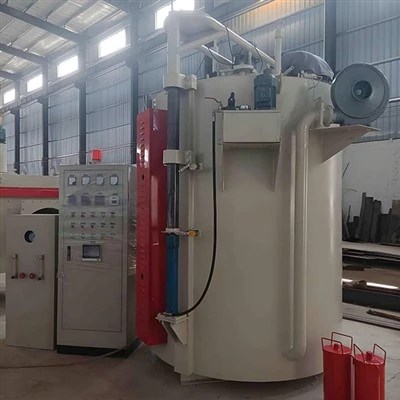
Gas Furnace If you are in the market for an annealing furnace and are unsure which size is right for your specific needs, I encourage you to reach out to us. Our team of experts has extensive experience in the industry and can provide you with personalized advice and solutions. Whether you are a small – scale workshop or a large – scale manufacturing plant, we have the knowledge and resources to help you find the perfect annealing furnace for your requirements. Contact us today to start the discussion about your annealing furnace needs.
References
- ASM Handbook Volume 4: Heat Treating. ASM International.
- Industrial Furnace Technology: An Introduction to High Temperature Systems. Peter K. Gaehr, et al.
- Thermal Engineering for Sustainable Buildings. Isabella Moretti, et al.
Danyang Dingfeng Industrial Furnace Co., Ltd.
Danyang Dingfeng Industrial Furnace Co., Ltd. is one of the most experienced annealing furnace manufacturers and suppliers in China, also supports customized service with low price. Please feel free to wholesale high quality annealing furnace made in China here from our factory. For pricelist, contact us now.
Address: Lizhuang Economic Development Zone, Danyang City
E-mail: saleszk@dffurnace.com
WebSite: https://www.dffurnace.com/
