Hey there! I’m a supplier of metalworking fluid, and today I wanna chat about something super important in our industry: the optimal temperature range for metalworking fluid to work effectively. Metalworking Fluid
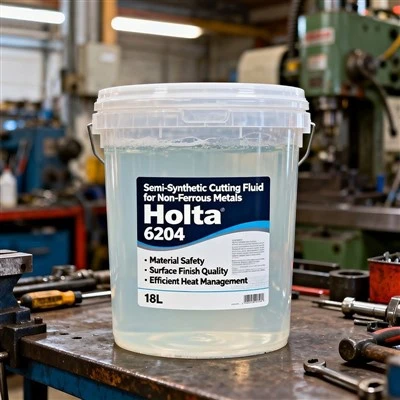
Let’s start by understanding why temperature matters so much when it comes to metalworking fluid. Metalworking fluids play a crucial role in the machining process. They cool the cutting tool and the workpiece, lubricate the contact area to reduce friction and wear, and help flush away chips. But all these functions can be seriously affected by the temperature of the fluid.
If the temperature is too low, the viscosity of the metalworking fluid increases. You can think of it like honey in the fridge. When it’s cold, honey becomes thick and gloopy, right? Well, the same thing happens to metalworking fluid. High – viscosity fluid doesn’t flow as easily. It can’t reach all the nooks and crannies between the cutting tool and the workpiece, which means it won’t be able to lubricate properly. As a result, there’s more friction, the cutting tool wears out faster, and the surface finish of the workpiece might not be as good.
On the other hand, if the temperature is too high, the metalworking fluid can start to break down. It loses its lubricating and cooling properties. The additives in the fluid can degrade, and the fluid might even start to evaporate. This not only reduces its effectiveness but can also lead to the formation of harmful vapors and residues. Plus, high temperatures can promote the growth of bacteria and fungi in the fluid, which can cause unpleasant odors and further damage the fluid’s performance.
So, what is the optimal temperature range? Generally speaking, most metalworking fluids work best in the range of 20°C to 30°C (68°F to 86°F). This range allows the fluid to maintain its proper viscosity. It can flow freely around the cutting area, providing excellent lubrication and cooling. At these temperatures, the additives in the fluid remain stable, and the risk of microbial growth is minimized.
Let’s break it down a bit more. At around 20°C (68°F), the fluid has a relatively high viscosity compared to when it’s warmer, but it’s still within an acceptable range. The cooling effect is good, and the lubrication is also sufficient for many machining operations. This is a great temperature for light – duty machining tasks, like precision turning or milling of soft metals.
As the temperature rises towards 30°C (86°F), the viscosity of the fluid decreases further, allowing it to flow more easily. This is beneficial for heavy – duty machining operations, such as high – speed cutting or grinding of hard metals. The fluid can quickly carry away the heat generated during these intense processes, preventing the cutting tool from overheating and extending its lifespan.
But here’s the thing, different types of metalworking fluids might have slightly different optimal temperature ranges. For example, synthetic metalworking fluids usually have a wider temperature tolerance compared to soluble oils. Synthetic fluids can often work effectively in a range from 15°C to 35°C (59°F to 95°F). They are more stable and less likely to break down at higher temperatures. Soluble oils, on the other hand, are more sensitive to temperature changes. They work best in the narrower range of 20°C to 25°C (68°F to 77°F). If the temperature goes too far outside this range, they can emulsify poorly, leading to separation and reduced performance.
Now, how can you keep the metalworking fluid within the optimal temperature range? There are a few ways. One of the most common methods is using a chiller. A chiller is a device that cools the fluid by removing heat. It can be set to maintain a specific temperature, ensuring that the fluid stays within the ideal range. Another option is to use a heat exchanger. A heat exchanger transfers heat from the hot fluid to a cooler medium, like water or air. This helps to regulate the temperature of the fluid without using as much energy as a chiller.
Proper ventilation in the machining area is also important. Good ventilation can help remove the heat generated during the machining process, preventing the fluid from overheating. And don’t forget about regular maintenance of the fluid. Checking the temperature regularly and topping up the fluid when needed can go a long way in keeping it working effectively.
As a metalworking fluid supplier, I’ve seen firsthand how the right temperature can make a huge difference in the machining process. I’ve had customers who were struggling with poor tool life and bad surface finishes, only to find out that the temperature of their metalworking fluid was way off. Once we helped them get the temperature under control, their machining operations improved significantly.
If you’re in the market for high – quality metalworking fluid and need advice on maintaining the optimal temperature for your machining processes, I’m here to help. Whether you’re a small – scale workshop or a large – scale manufacturing plant, I can provide you with the right fluid and guidance to ensure that your operations run smoothly.
Choosing the right metalworking fluid and keeping it at the optimal temperature is crucial for the success of your machining operations. It can save you money on tool replacement, improve the quality of your workpieces, and increase your overall productivity. So, don’t overlook the importance of temperature when it comes to your metalworking fluid.
If you’re interested in learning more or making a purchase, feel free to reach out. I’d be more than happy to have a chat with you and discuss how we can work together to meet your metalworking fluid needs.
Gear Oil References
- "Metalworking Fluids: Selection, Maintenance, and Disposal" by various industry experts
- "Handbook of Machining with Cutting Tools" which includes details on the impact of fluid temperature on machining processes
- Technical bulletins from leading metalworking fluid manufacturers
MoGen Lubricating Oils
With abundant experience, we are one of the most professional metalworking fluid manufacturers and suppliers in China. We warmly welcome you to wholesale custom made metalworking fluid from our factory. If you have any enquiry about cooperation, please feel free to email us.
Address: No.8003 Chewang Rd, Economic Development Zone Of Jinan, Shandong Province, China 250301
E-mail: sales@mogenoils.com
WebSite: https://www.mogen-oil.com/
