Hey there, folks! I’m a supplier of casing tubes, and I’ve been in this industry for quite a while. One question I often get asked is, "How does casing tube contribute to wellbore stability?" Well, that’s what I’m gonna talk about in this blog post. Casing Tube
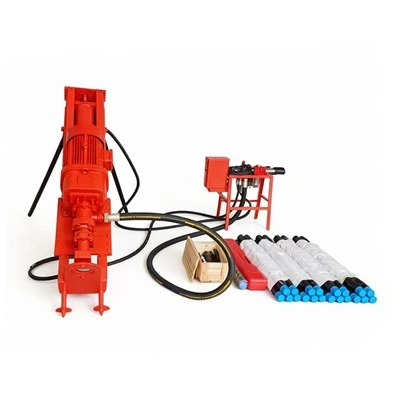
Let’s start with the basics. A wellbore is essentially a hole drilled into the ground to extract oil, gas, or water. It’s a pretty complex process, and wellbore stability is crucial. If the wellbore isn’t stable, it can lead to all sorts of problems, like collapses, leaks, and even complete well failure. And that’s where casing tubes come in.
1. Mechanical Support
One of the main ways casing tubes contribute to wellbore stability is by providing mechanical support. When you drill a well, you’re basically creating a cavity in the ground. The surrounding rock and soil are under a lot of pressure, and without proper support, they can collapse into the wellbore.
Casing tubes act like a strong, rigid structure that holds the wellbore open. They’re made of high – strength steel or other durable materials, and they’re designed to withstand the weight of the surrounding rock and the pressure from the fluids inside the well.
For example, in a deep – water oil well, the pressure from the water and the rock formations can be extremely high. The casing tube needs to be able to resist this pressure and prevent the wellbore from collapsing. We supply casing tubes with different wall thicknesses and grades of steel to meet the specific requirements of each well. Thicker – walled casing tubes are used in areas with high pressure, while thinner – walled ones can be used in less demanding situations.
2. Isolation of Formations
Another important function of casing tubes is to isolate different geological formations. In the subsurface, there are often multiple layers of rock and soil, each with its own properties. Some of these formations may contain oil or gas, while others may have high water content or be prone to chemical reactions.
By using casing tubes, we can separate these formations from each other. We cement the casing tube in place, creating a barrier between the wellbore and the surrounding formations. This prevents the fluids from one formation from flowing into another, which can cause problems like cross – contamination and wellbore instability.
Let’s say we have a well that passes through a water – bearing formation and an oil – bearing formation. Without proper isolation, the water could flow into the oil – producing zone, reducing the quality of the oil and potentially damaging the well. The casing tube, along with the cement sheath, acts as a seal, keeping the water and oil separate.
3. Prevention of Wellbore Erosion
Wellbore erosion is a big problem in the oil and gas industry. When drilling fluid circulates in the wellbore, it can cause the walls of the wellbore to erode over time. This can weaken the wellbore and lead to instability.
Casing tubes protect the wellbore from erosion. The smooth surface of the casing tube reduces the friction between the drilling fluid and the wellbore wall, minimizing the erosive effect. Additionally, the casing tube is made of materials that are resistant to corrosion and abrasion, further protecting it from the harsh environment inside the well.
In some cases, we also use special coatings on the casing tubes to enhance their resistance to erosion. These coatings can be made of polymers or other materials that provide an extra layer of protection.
4. Pressure Control
Casing tubes play a vital role in pressure control within the wellbore. During the drilling process, the pressure inside the well needs to be carefully managed to prevent blowouts and other dangerous situations.
The casing tube acts as a pressure – containment device. It can withstand the pressure from the fluids and gases in the well, allowing the operators to control the flow of these substances. By installing multiple casing strings of different sizes and strengths, we can create a system of pressure barriers that help maintain the wellbore stability.
For example, in a high – pressure well, we may use an outer casing string to handle the initial high – pressure zone and an inner casing string for the lower – pressure production zone. This way, we can manage the pressure more effectively and reduce the risk of wellbore failure.
5. Facilitation of Well Completion
Well completion is the final stage of the well – drilling process, where the well is prepared for production. Casing tubes are essential for this stage as they provide a stable structure for installing production equipment.
Once the well is drilled and the casing tube is in place, we can install things like production tubing, valves, and pumps inside the casing. These components are used to extract the oil or gas from the well and transport it to the surface. Without a stable casing tube, it would be very difficult to install and operate these production devices.
Moreover, the casing tube also provides a pathway for injecting chemicals or other substances into the well for enhanced oil recovery or well maintenance purposes.
Why Choose Our Casing Tubes?
Now that you know how important casing tubes are for wellbore stability, you might be wondering why you should choose our products. Well, we take pride in offering high – quality casing tubes that are designed to meet the most demanding requirements of the oil and gas industry.
We have a wide range of casing tubes in different sizes, grades, and specifications. Whether you’re drilling a shallow well or a deep – water well, we have the right casing tube for you. Our manufacturing process is strict, and we use only the best materials to ensure the durability and reliability of our products.
We also have a team of experienced engineers and technicians who can provide you with technical support and advice. They can help you select the most suitable casing tube for your well and ensure that it’s installed correctly.
Casing Tube If you’re in the market for casing tubes and want to ensure the stability of your wellbore, don’t hesitate to get in touch with us. We’re here to help you with all your casing tube needs and make sure your well – drilling project is a success. Just reach out to us, and we’ll start a great discussion about your requirements and how we can meet them.
References
- Bourgoyne, A. T., Chenevert, M. E., Millheim, K. K., & Young, F. S. (1986). Applied Drilling Engineering. Society of Petroleum Engineers.
- Craig, R. F. (1997). Well Cementing: Principles and Practice. Gulf Publishing Company.
- Nelson, E. B., & Guillot, D. (2006). Well Cementing. Schlumberger.
Quzhou Shenjian Machinery Factory
As one of the most professional casing tube manufacturers and suppliers in China, we’re featured by quality products and good service. Please rest assured to wholesale customized casing tube from our factory. Also, quotation is available.
Address: No. 42 Bingang Middle Road, Quzhou City, Zhejiang Province
E-mail: 107467114@qq.com
WebSite: https://www.shenjianmach.com/
