A PVC foot valve, an essential component in fluid handling systems, is commonly used at the bottom of a suction pipe in a water pump. It allows water to enter the pipe while preventing backflow, ensuring the efficient operation of the pump. As a supplier of PVC foot valves, customers often ask me about the weight of these valves. In this blog, I’ll delve into the factors that influence the weight of a PVC foot valve, its significance, and how it impacts your projects. PVC Foot Valve

Factors Affecting the Weight of a PVC Foot Valve
Dimensions and Size
The size of a PVC foot valve is one of the primary determinants of its weight. PVC foot valves come in a variety of sizes, typically ranging from 1/2 inch to 12 inches in diameter. Larger valves require more raw materials for manufacturing, and thus they are heavier. For example, a 1/2 – inch PVC foot valve might weigh around 0.2 to 0.3 kilograms, while a 12 – inch valve could weigh 15 to 20 kilograms or more.
The length of the valve body also plays a role. Some PVC foot valves are designed with a longer body to accommodate specific installation requirements, such as reaching deeper into a water source. Longer valve bodies need more PVC material, contributing to an increase in weight.
Wall Thickness
The wall thickness of the PVC foot valve significantly affects its weight. Valves with thicker walls are more robust and can withstand higher pressures. These thicker – walled valves are heavier because they contain more material. In applications where the system operates under high – pressure conditions, a thicker – walled PVC foot valve is often preferred. However, for low – pressure systems, a thinner – walled valve can be used, which is lighter and may also be more cost – effective.
Design and Additional Features
The design of the PVC foot valve can influence its weight. Some valves have complex internal structures, such as a built – in strainer or a special flap design to enhance the non – return function. These additional features add to the overall weight of the valve. For instance, a PVC foot valve with a fine – mesh strainer will weigh more than a basic valve without this feature because of the extra material used for the strainer.
Another factor is the presence of reinforcing ribs or protrusions on the valve body. These design elements are added to increase the structural integrity of the valve, especially in larger sizes or high – stress applications. But they also contribute to the weight of the valve.
Significance of the Weight of PVC Foot Valves
Installation Considerations
The weight of a PVC foot valve has implications for the installation process. Heavier valves require more effort to lift and position correctly. This can affect the overall labor time and cost of installation. In some cases, additional equipment such as hoists or cranes may be needed to handle larger and heavier valves.
When installing a PVC foot valve in a vertical pipe, the weight of the valve must be considered in relation to the support provided by the pipe and the mounting hardware. Insufficient support can lead to stress on the valve and the pipe, potentially causing leaks or damage over time.
Transportation and Storage
The weight of PVC foot valves also impacts transportation and storage. Heavier valves require more substantial packaging to ensure safe transit, which may increase packaging costs. During transportation, the weight of the valves affects the payload capacity of the transport vehicle. More weight means fewer valves can be transported in a single trip, which could lead to increased transportation costs.
In terms of storage, heavier valves may require more robust storage racks or pallets. They also take up more space relative to their weight, which can impact the overall storage efficiency of a warehouse.
Operational Performance
The weight of a PVC foot valve can have an impact on its operational performance. In some applications, a heavier valve may provide better stability and sealing. For example, a heavier flap inside the valve can ensure better closure against backflow, reducing the risk of water hammer and improving the overall efficiency of the pump system. However, in other cases, an overly heavy valve may cause unnecessary resistance to the flow of water, reducing the pumping efficiency.
Determining the Appropriate Weight for Your Needs
As a PVC foot valve supplier, I understand that different applications require different weights of valves. When you’re considering purchasing PVC foot valves, here are some points to keep in mind to determine the appropriate weight:
System Pressure
Assess the operating pressure of your fluid system. For high – pressure systems, a heavier, thicker – walled valve is usually necessary to withstand the forces. A valve that is too light may not be able to handle the pressure, leading to leakage or even failure.
Installation Environment
Think about where the valve will be installed. If it’s in a deep well or a location that is difficult to access, a lighter valve may be more suitable as it will be easier to handle during installation. On the other hand, if the valve is in a stable, easily accessible location, a heavier valve with better performance may be a better choice.
Flow Requirements
Consider the flow rate and volume of fluid in your system. If you need a high – flow system, a valve that is not too heavy and does not cause excessive flow resistance is essential. A valve with a well – designed internal structure and an appropriate weight can ensure smooth fluid movement.
Our PVC Foot Valve Offerings
As a supplier of PVC foot valves, we offer a wide range of products with different weights to meet the diverse needs of our customers. Our valves are made from high – quality PVC materials, ensuring durability and reliability.
We have valves in various sizes, from small – diameter valves for domestic applications to large – diameter valves for industrial projects. Our technical team can assist you in selecting the right valve with the appropriate weight for your specific requirements. Whether you need a lightweight valve for easy installation or a heavy – duty valve for high – pressure systems, we have the solution.
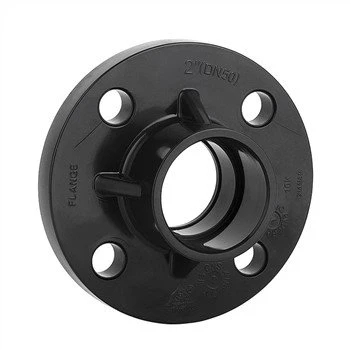
We understand that each customer’s project is unique, and we are committed to providing the best products and services. Our PVC foot valves are designed and manufactured to meet international quality standards, ensuring long – term performance and customer satisfaction.
Contact Us for Procurement
Clear PVC Fittings If you are in the market for PVC foot valves, we invite you to contact us for a detailed discussion. Our experienced sales team will be happy to provide you with more information about our products, including their weights, specifications, and prices. We can also offer technical support to help you select the most suitable PVC foot valve for your project. Let’s start a conversation and find the perfect solution for your fluid handling needs.
References
- Handbook of Plastic Pipe Systems, Third Edition. This handbook provides comprehensive information on PVC materials and the manufacturing of PVC pipes and fittings, including foot valves.
- ASME B16.105 – 2010: Specification for Thermoplastic Pipe Threads. This standard is relevant for understanding the specifications and requirements related to PVC foot valves, which often have threaded connections.
Xiamen Sanideng Plastics Industry Co., Ltd.
Xiamen Sanideng Plastics Industry Co., Ltd. is well-known as one of the leading pvc foot valve manufacturers and suppliers in China. Please feel free to buy or wholesale high quality pvc foot valve for sale here from our factory. For price consultation, contact us.
Address: No.169, Tong Hong Road, Tong’an District, Xiamen, China
E-mail: Sandy@sanking.cn
WebSite: https://www.sankingvalve.com/
