When it comes to the world of fluid control, ball valves stand out as a remarkable solution. As a supplier of ball valves, I’ve witnessed firsthand the numerous advantages they offer across a wide range of industries. In this blog post, I’ll delve into the key benefits of ball valves, highlighting why they are the preferred choice for many applications. Ball Valve
Efficient Flow Control
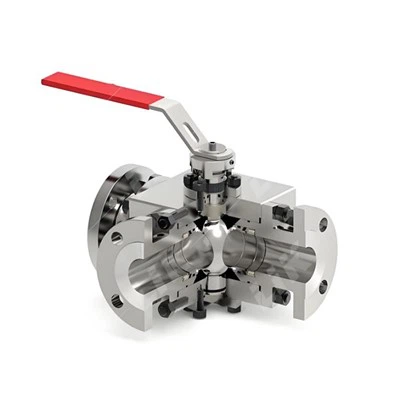
One of the primary advantages of ball valves is their ability to provide efficient flow control. The design of a ball valve consists of a spherical disc (the ball) with a hole in the middle. When the valve is open, the hole in the ball aligns with the pipeline, allowing fluid to flow freely. When the valve is closed, the ball is rotated 90 degrees so that the solid part of the ball blocks the flow path. This simple yet effective mechanism enables quick and precise on – off control of the fluid flow.
Compared to other types of valves, such as gate valves or globe valves, ball valves can be opened and closed much faster. This rapid operation is crucial in applications where immediate shut – off is required, such as in emergency situations or in systems where precise control of flow start and stop is necessary. Additionally, the straight – through flow path in a ball valve results in low pressure drop, which means that less energy is required to move the fluid through the valve. This energy efficiency can lead to significant cost savings in large – scale industrial operations over time.
Excellent Sealing Performance
Another significant advantage of ball valves is their excellent sealing performance. When the ball valve is closed, the spherical ball creates a tight seal against the valve seats. This seal is designed to prevent leakage, even under high pressure. The sealing elements in ball valves are often made from materials such as PTFE (polytetrafluoroethylene) or other high – performance plastics, which can withstand a wide range of temperatures and chemical environments.
In many applications, such as in the chemical, oil, and gas industries, preventing leakage is of utmost importance. A small leak can not only lead to product loss but also pose safety hazards and environmental risks. Ball valves’ reliable sealing performance makes them a trusted choice for these critical applications. Moreover, the tight seal also helps to maintain the integrity of the fluid being transported, ensuring that there is no contamination or mixing of different fluids.
Durability and Longevity
Ball valves are known for their durability and long service life. The simple design with fewer moving parts reduces the risk of mechanical failure. The ball and the valve seats are typically made from high – quality materials such as stainless steel, brass, or other alloys, which can resist corrosion, wear, and tear.
In harsh industrial environments, where the valves are exposed to abrasive fluids, high temperatures, and high pressures, ball valves can maintain their performance over an extended period. This durability means that businesses can save on maintenance and replacement costs in the long run. Instead of having to frequently replace valves due to wear and tear, they can rely on ball valves to operate effectively for years, reducing downtime and increasing overall productivity.
Versatility
Ball valves are incredibly versatile and can be used in a variety of applications. They are suitable for handling different types of fluids, including liquids, gases, and even slurries. Whether it’s in water treatment plants, chemical processing facilities, oil refineries, or HVAC (heating, ventilation, and air conditioning) systems, ball valves can play a crucial role.
There are also different types of ball valves available to meet specific application requirements. For example, full – port ball valves have a large – diameter ball and opening, which allows for maximum flow with minimal pressure drop. This makes them ideal for applications where high – flow rates are needed. Reduced – port ball valves, on the other hand, have a smaller opening, which can be used in applications where space is limited or where a certain level of flow restriction is desired.
Low Maintenance
Maintenance is a significant consideration for any industrial equipment. Ball valves require relatively low maintenance compared to other types of valves. Since they have a simple design with fewer parts, there are fewer components that can malfunction or break down. Regular inspection of the valve for signs of wear, corrosion, or leakage is usually sufficient to ensure its proper operation.
In most cases, if a ball valve does require maintenance, it can often be easily disassembled, repaired, and reassembled. This ease of maintenance means that downtime can be minimized, and the valve can be quickly returned to service. Additionally, the availability of replacement parts for ball valves is generally high, making it easier and more cost – effective to keep the valves in good working condition.
Cost – Effectiveness
When considering the overall cost of a valve installation, ball valves are often a cost – effective choice. Their initial purchase price is competitive compared to other types of valves with similar performance capabilities. Moreover, as mentioned earlier, their energy efficiency, long service life, and low maintenance requirements result in significant cost savings over the life of the valve.
For businesses operating on a tight budget, the combination of a reasonable upfront cost and long – term savings makes ball valves an attractive option. They offer a good return on investment, allowing companies to invest their resources in other areas of their operations.
Easy Automation
In today’s industrial landscape, automation is becoming increasingly important. Ball valves are well – suited for automation due to their simple on – off operation. They can be easily equipped with electric, pneumatic, or hydraulic actuators to enable remote or automated control.
Automating ball valves offers several benefits, such as increased precision in flow control, improved safety, and the ability to integrate the valve into larger control systems. In a fully automated process, ball valves can be programmed to open and close at specific times or in response to certain conditions, streamlining the overall operation and reducing the need for manual intervention.
Conclusion
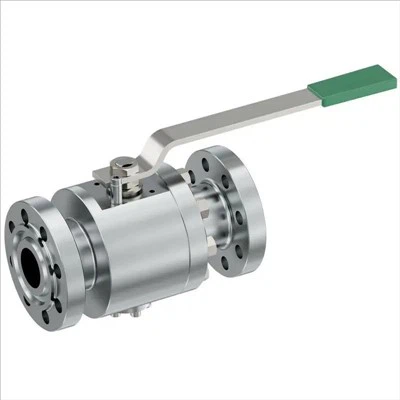
In summary, ball valves offer a multitude of advantages that make them a superior choice for fluid control applications across various industries. Their efficient flow control, excellent sealing performance, durability, versatility, low maintenance requirements, cost – effectiveness, and easy automation capabilities set them apart from other types of valves.
Ball Valve If you’re looking for a reliable and high – performance valve solution for your business, I encourage you to consider ball valves. As a professional ball valve supplier, I’m committed to providing high – quality products and excellent customer service. Whether you need help in selecting the right ball valve for your specific application or have any questions about our products, I’m here to assist you. I invite you to contact me to start a discussion about your procurement needs and explore how our ball valves can enhance the efficiency and performance of your operations.
References
- "Valve Handbook", by Klaus Hasenpusch.
- "Industrial Valves: Selection and Sizing", by Craig R. Smith and Lloyd Wright.
- "The Engineering Toolbox" – Various articles on valve types and applications.
Wuxi PYNOS Flow-tech Co., Ltd.
As one of the leading ball valve manufacturers and suppliers in China, we offer a wide range of products with superior quality. We warmly welcome you to buy high quality ball valve made in China here from our factory. We also accept customized orders.
Address: Sales Center: 7th Floor, No.19 Qingyuan RD, Wuxi City, Jiangsu Prov., China
E-mail: Info@pynosvalve.com
WebSite: https://www.pynosvalves.com/
