If you’ve ever stood in a pumping station at 2 a.m., listening to a pipeline pump roar and rumble when it should be running smooth, you know how costly flow instability can be. Last month, a client I’ve worked with for three years—they move crude oil across 1,200 miles of onshore pipeline—called me in a panic. Their main pipeline pump had started surging randomly, pressure swings were spiking their control system alarms, and they’d already lost 12 hours of production, plus $40,000 in throughput. By the time I finished troubleshooting, they’d cut their pressure swings by 89% and avoided what could’ve been a catastrophic pump seal failure. That’s the kind of problem I solve every day as a pipeline pump supplier, and today I’m breaking down exactly how we work with clients to fix flow stability issues before they turn into emergencies. Pipeline Pump
Flow instability in pipeline pumps isn’t just a minor annoyance. It’s a chain reaction: surges damage impellers and seals, pressure spikes stress pipeline joints, and off-spec flow can throw off downstream refining or processing operations. The root causes are almost never one-size-fits-all, though. I’ve seen instability blamed on dirty fluid one week and bad system design the next, so the first step is always a thorough, on-site audit. That’s why every engagement we start with isn’t a quick part swap—it’s a deep dive into your entire pump system: the fluid you’re moving, the pipe layout, the control valves, even the ambient temperature where the pump is installed.
Let’s start with the most common culprit, and the one we see more than any other: operating outside the pump’s best efficiency point (BEP). Every centrifugal pump— the workhorse of pipeline operations—has a sweet spot, that flow rate where it runs with minimal vibration, maximum efficiency, and zero instability. When you run a pump at flow rates 20% or more below its BEP, something called recirculation happens. Fluid doesn’t move straight through the impeller; it swirls back toward the suction side, creating eddies that throw off pressure and cause surges. That’s exactly what my long-time client was dealing with. They’d installed a pump sized for their peak throughput, but over the past two years, they’d tweaked their production schedule to run at 60% of the pump’s BEP to adjust to varying field inputs. We didn’t just tell them “run at BEP”—we offered two tailored solutions. For their existing system, we installed a variable frequency drive (VFD) matched to their pump’s motor, which lets them adjust the pump’s speed in real time to match their current flow needs, eliminating the need to run far below BEP when throughput is low. For future projects, we recommend oversizing pumps by only 10-15% instead of 25-30% like many standard suppliers do—enough to handle peak demand without forcing low-BEP operation during lulls.
Another common issue that’s easy to miss is suction side turbulence. I’ve had clients call saying their pump was running smooth for years, then suddenly started surging out of nowhere. Nine times out of 10, it’s a problem with their suction piping. Too many elbows too close to the pump suction, a undersized suction line, or a valve that’s partially closed creating a flow restriction all mess with how fluid enters the pump. Last year, a midstream client in Texas called because their pigging operations were triggering pump surges every time they ran a pipeline pig. We inspected their suction piping and found that they had a 90-degree elbow just 2 feet upstream of the pump suction—industry standard says you need at least 10 pipe diameters of straight pipe between an elbow and the suction to let fluid straighten out. We modified their piping to add the required straight run, and the pig-related surges stopped immediately. We also recommend that all our clients install suction pressure gauges and flow meters close to the pump suction—we supply these as standard on all our new pumps, but for retrofits, we work with third-party technicians to calibrate these tools. These sensors catch flow disturbances before they turn into instability, giving operators time to adjust or fix the issue.
Next, let’s talk about pump internals and maintenance that directly impact flow stability. Even the best-designed pump will develop issues over time, especially if maintenance is neglected. Worn impellers, for example, don’t move fluid as efficiently as new ones, which can create uneven flow patterns. I saw this last spring with a client in the Permian Basin who’d put off replacing their impeller for 18 months past its recommended service life. Their pump’s flow instability started mild, but as the impeller eroded, the surges got worse, and they ended up with a cracked volute that cost them $15,000 in repairs plus 7 days of downtime. When we replaced the impeller with a precision-machined one from our manufacturing line, their flow stabilized immediately. We also advise clients on impeller trim—trimming an impeller’s diameter is a cost-effective way to adjust a pump’s flow rate to match their system, and when done right, it doesn’t harm stability. Too many suppliers do a quick trim without checking the BEP, which leads to low-flow recirculation. We offer free trim calculations for all our clients, so they can adjust their pumps without sacrificing stability.
Control systems are another often-overlooked piece of the puzzle. Even if your pump is perfectly matched to your system, a faulty or outdated control system can cause instability. I worked with a pipeline operator in the Midwest last year whose supervisory control and data acquisition (SCADA) system was set to adjust pump speed every 10 minutes. That frequent, abrupt adjustment made the pump cycle too quickly, creating pressure swings throughout the pipeline. We worked with their automation team to adjust the control parameters to only adjust speed when flow or pressure deviated by more than 5% from their setpoint, which smoothed out the operation. For clients installing new pumps, we integrate our pumps with modern, scalable control systems that let operators set ramp rates—how quickly the pump adjusts speed—so they avoid sudden changes that trigger surges. We also train our clients’ operators on how to read pump vibration and pressure data, so they can spot instability early instead of waiting for alarms.
There’s no one “magic fix” for flow stability, which is why personalized support matters more than anything. Every pipeline is different: some move heavy crude with high viscosity, others move refined products at much higher flow rates. A solution that works for a natural gas pipeline won’t work for a water pipeline, and vice versa. When we take on a new client, we don’t just sell them a pump and walk away. We start with a site survey, review their historical flow data, check their existing piping and control systems, and then present 2-3 tailored solutions that fit their budget and their long-term goals. For small operators who can’t afford a full VFD right away, we offer impeller trimming and piping modifications to fix their stability issues. For large operators expanding their pipeline network, we design pumps from the ground up with their specific flow range and system needs in mind.
I’ll be honest: I started in this industry 12 years ago, working on pipeline pump repairs in a small workshop in Oklahoma. I saw too many clients lose money because they bought generic pumps that didn’t fit their operations, or trusted suppliers who only cared about the sale, not long-term performance. That’s why our approach is different. We stand behind every pump we make, and we work with our clients for years after installation. If you’re dealing with constant pressure surges, frequent pump failures, or just want to make sure your pipeline runs as smoothly and efficiently as possible, we’re here to help. We don’t push one-size-fits-all solutions—we listen to your challenges, audit your system, and deliver the right fix for your needs.

Flow stability isn’t something you can ignore. Every day your pump is surging, you’re wasting money on extra energy, risking equipment damage, and delaying your throughput. If you’re ready to stop dealing with pump instability and start running your pipeline with confidence, reach out to our team for a consultation. We’ll walk through your system with you, answer all your questions, and give you a clear plan to improve flow stability without breaking the bank. We look forward to working with you to keep your pipeline running smooth, 24/7.
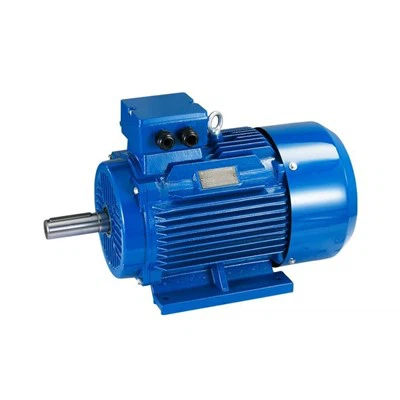
YE3 Three-Phase Motor References
- Karassik, I. J., Messina, J. P., Cooper, P., & Heald, C. C. (2008). Pump Handbook (4th ed.). McGraw-Hill Professional.
- Golman, B., & Šimko, M. (2015). Centrifugal Pump Flow Instabilities: Causes, Monitoring, and Mitigation. Journal of Fluids Engineering, 137(10), 101102.
- American Petroleum Institute. (2020). API Standard 610: Centrifugal Pumps for Petroleum, Petrochemical, and Natural Gas Industries (12th ed.). API Publishing Services.
- Valve & Pump Manufacturers Association. (2019). Best Practices for Pump System Stability and Efficiency. VPMA Technical Report Series.
Taizhou Goodpump Trading Co., Ltd.
We’re well-known as one of the most professional pipeline pump enterprises in China, featured by quality products and good service. Please rest assured to buy discount pipeline pump in stock here from our factory. For quotation, contact us now.
Address: No. 38, District 6, Zhengye Village, Lunan Street, Luqiao District, Taizhou City, Zhejiang Province, China
E-mail: 19548175755@163.com
WebSite: https://www.goodpump-cn.com/
