As someone who’s spent the last 12 years supplying LPG fueling stations to small fleet operators, delivery companies, and municipal transit departments, I’ve sat across from too many decision-makers asking the same question: LPG vs. CNG— which is right for my business? It’s not a hypothetical debate I’ve had only in boardrooms, either. I’ve stood next to a fleet manager in Detroit who’s running 15 propane-powered box trucks, smelling the faint, safe odor of LPG, while comparing notes with a transit director in Denver who’s weighing CNG for 50 school buses. Both have similar core goals: lower fuel costs, better emissions, less downtime. But their operations— their fueling needs, their local infrastructure, their fleet size— change everything. Over the years, I’ve come to see that the answer isn’t always a clear winner, but it is about matching the fuel to the job. Today, I want to break down what I’ve learned from installing hundreds of LPG stations and working alongside CNG providers to help you make a choice that fits your business, not just the loudest industry hype. LPG Fueling Station
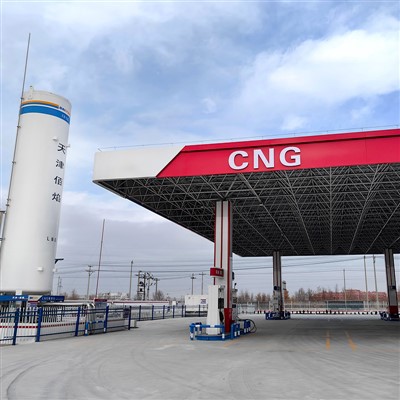
First, let’s start with the basics that matter most to anyone trying to run a fueling operation: cost, infrastructure requirements, and reliability. That’s the first split most operators notice, and it’s where LPG often has a clear early edge. LPG, which is propane and butane, is a byproduct of natural gas processing and crude oil refining. Unlike CNG (compressed natural gas), which is almost entirely methane, LPG is a liquid at moderate pressure— around 125 to 150 PSI for vehicle storage tanks. That difference in state changes everything when it comes to fueling station setup. An LPG station doesn’t need a massive custom-built compressor or a reinforced underground tank designed to hold high-pressure gas. We install our standard above-ground LPG storage tanks at most sites in 10 to 14 days, and they can hold anywhere from 5,000 to 30,000 gallons, enough to fuel a small delivery fleet for two weeks or a mid-sized transit fleet in a few days. The cost of installing a basic LPG station? For a 10,000-gallon unit ready to fuel 20 to 30 vehicles, we’re looking at $80,000 to $120,000.
CNG, on the other hand, is compressed to 3,600 PSI— that’s roughly 25 times higher than LPG’s tank pressure. That means CNG stations need heavy-duty compressors, pressure control systems, and often custom underground piping to handle the high stress. A basic fast-fill CNG station that can fuel 50+ trucks a day starts at $250,000, and many sites we’ve partnered with pay $500,000 or more for high-capacity units that can handle larger fleets. For operators working with tight budgets, especially small businesses or rural sites where upfront capital is limited, LPG’s lower barrier to entry is a huge draw. I had a customer in rural Iowa last year, a small landscaping company with 12 propane-powered pickup trucks, who couldn’t swing the six-figure upfront cost of a CNG compressor. We installed a 5,000-gallon LPG station for $22,000 (including all piping and dispensers) that they paid off in 18 months through lower fuel costs. That’s the kind of number that moves the needle for small operations that don’t have the capital of a major city’s transit department.
Next up: fuel availability and consistency, which is where many operators get frustrated when they pick the wrong fuel. LPG is a widely available commodity in the U.S. and many global markets, thanks to a well-established pipeline and distribution network. Most areas have at least one LPG bulk supplier within 100 miles, and even rural areas can get LPG delivered by truck in 24 to 48 hours for emergency refills. The downside? LPG prices do fluctuate with crude oil, but not as sharply as gasoline or diesel. I track monthly fuel prices for my customers, and over the last five years, LPG has averaged about 30 to 40% less expensive per gallon than diesel, which is a massive savings for delivery companies that put 100,000 miles a year on their vehicles.
CNG is mostly used in areas with access to natural gas pipelines, which means it’s not as universal. Operators in rural areas or cities that don’t have a main natural gas line running near their site often have to build custom pipeline spurs, which adds another $50,000 to $150,000 to the total CNG station cost. That’s a dealbreaker for many sites. The upside for CNG is that when pipeline prices are low, it can be cheaper per gasoline gallon equivalent (GGE) than LPG. But that price is volatile and tied to regional natural gas production, which means a fleet in Texas might see CNG prices 10% lower than LPG one year, while a fleet in New England might pay 15% more for CNG because pipeline access is limited. I also hear constant complaints about CNG fuel quality inconsistencies. Because CNG is often sourced from local pipelines, impurities like moisture or heavy gases can build up over time, leading to clogged filters or engine issues. LPG is a refined, standardized product— it’s the same from any bulk supplier, so you don’t have to worry about unexpected engine downtime mid-week when your fuel supply has a contaminant problem.
Then there’s safety, which is non-negotiable for any fueling station operator. I’ve heard more than a few horror stories from CNG stations that had minor leaks, and while those leaks didn’t cause major accidents, they made site managers question the risk. Here’s the real truth: both LPG and CNG are safe when handled properly, but their properties mean different protocols for fueling stations. LPG is denser than air, so if there’s a leak, it sinks to the ground and accumulates in low areas like basements or under fueling dispensers. That means our LPG stations are installed with built-in leak sensors that trigger automatic shutoffs and fan systems to vent any accumulated gas, and we require all site operators to have annual safety training for staff. We also follow NFPA 58 standards for LPG storage, which are widely considered to be among the strictest in the industry.
CNG is lighter than air, so a leak will rise and dissipate into the atmosphere, which sounds like a plus— but it’s not quite that simple. CNG stations operate at extremely high pressures, so a leak in a compressor or pipeline can release gas at a high velocity, which means it can ignite more easily than a slow LPG leak. CNG also has a wider flammability range than LPG, meaning it’s easier to ignite under certain conditions. The industry has made huge safety improvements in the last 10 years, but I still tell customers that CNG requires more rigorous ongoing maintenance. Compressors wear out faster than LPG station equipment because they’re working at 3,600 PSI, and a faulty compressor seal can become a major safety hazard if not caught early. LPG station dispensers and storage tanks have far fewer moving parts, so maintenance is simpler and less frequent. Most of our LPG station customers only need annual inspections, whereas CNG operators often do weekly checks on compressors and monthly line tests— adding to long-term operational costs.
For anyone running a fleet, fueling speed and operational flexibility are make-or-break factors too. CNG has two fueling modes: fast-fill and time-fill. Fast-fill stations can fuel a truck in 5 to 10 minutes, similar to gasoline, which is great for on-road fleets. Time-fill uses a lower-pressure compressor to fuel vehicles overnight, which is cheaper but requires vehicles to be parked for 4 to 8 hours. LPG only has one fueling mode, and it’s just as fast as fast-fill CNG— most light and medium-duty trucks fuel in 2 to 5 minutes, and heavy-duty semi-trucks take 10 to 15 minutes. That’s a big win for fleets that can’t afford to tie up their vehicles overnight for fueling. I had a delivery customer in Chicago last year who switched from time-fill CNG to LPG because their drivers were leaving early in the morning to make morning routes, and the CNG tanks weren’t full enough to handle their full delivery schedule. LPG fixed that problem immediately— drivers could pull in at 5 a.m. and be fueled and on the road by 5:10, no waiting.
Flexibility is another big one, especially for fleets that might add or replace vehicles over time. LPG storage tanks can accommodate a range of vehicle types, from light-duty pickup trucks to heavy-duty semi-trucks and school buses, all using the same fuel. You can even use LPG for backup generators on the same site, which is a huge plus for cities that need reliable power during outages. CNG is more limited— while there are heavy-duty CNG vehicles, they’re less common, and many light-duty vehicles can’t be converted to run on CNG. If a fleet operator wants to add a mix of light pickups and medium delivery trucks, LPG lets them do that without buying new vehicles or adjusting their station setup. That’s a flexibility that has made LPG the go-to for many mixed fleets.
Now, I’m not here to say LPG is better than CNG across the board— that would be misleading, and I have customers that swear by CNG for their specific use case. For example, if you’re a major transit agency in a city with direct pipeline access to natural gas, running a fleet of 200+ large school buses, and you have the upfront capital to invest in a high-capacity CNG station, CNG might give you lower long-term fuel costs. But for most small to mid-sized operators, rural sites, delivery fleets, and mixed fleets, LPG checks all the boxes: lower upfront cost, simpler infrastructure, reliable fuel, and flexible for different vehicle types. I’ve also seen LPG work well for sites that don’t want to tie themselves to a single fuel source— having an LPG station lets you adjust your fleet mix as fuel prices change, without the high cost of modifying a CNG site.
One thing I always emphasize to potential customers is that the best choice depends on your unique operational needs, not industry trends. Over the last decade, CNG got a lot of hype as a “cleaner” fuel, but the reality is that both LPG and CNG produce fewer emissions than gasoline or diesel. LPG reduces greenhouse gas emissions by around 20% compared to gasoline, and CNG is about 25% lower, but the gap is small enough that it rarely makes a difference for most operators when weighed against cost and infrastructure. The real environmental win for LPG is that it’s often a more accessible option for smaller fleets, which means more businesses can make the switch to lower-emission fuel without breaking the bank.
If you’re evaluating whether LPG or CNG is right for your fueling operation, I’d encourage you to look beyond the marketing. Ask yourself: Do I have a pipeline connection nearby? Can I afford a $200,000+ upfront cost? Do I need flexibility for different vehicle types? Will I rely on overnight fueling or fast turnarounds for my fleet? Those questions will lead you to the right choice more than any industry blog or sales pitch.
At the end of the day, my job isn’t to sell LPG stations to everyone— it’s to help operators pick the fueling solution that works for their business. I’ve worked with too many customers who bought a CNG station because it seemed like the “cool” option, only to realize they can’t get fuel delivered on time or can’t afford the maintenance costs. Conversely, I’ve helped dozens of small businesses and municipalities install LPG stations that have cut their fuel costs by 35% in the first year, with zero major downtime in the five years since installation. If you’re ready to start evaluating your fueling infrastructure, we can walk through your site, your fleet, and your budget to build a custom solution that fits your needs.
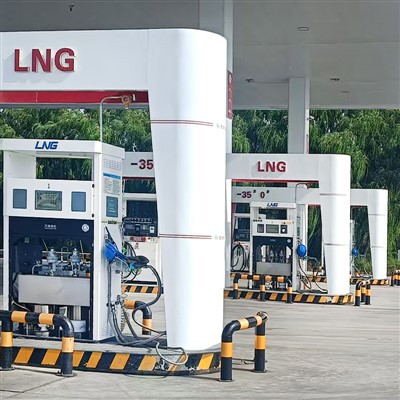
To learn more about how LPG fueling stations compare to CNG for your operation, reach out to our team to discuss your specific requirements and get a tailored assessment.
Cryogenic Pressure Vessel References
U.S. Energy Information Administration. (2024). Natural Gas and Propane Prices and Market Trends. U.S. Department of Energy.
National Fire Protection Association. (2023). NFPA 58: Standard for the Storage and Handling of Liquefied Petroleum Gases. National Fire Protection Association.
Alternative Fuels Data Center. (2024). Fuel Properties and Infrastructure for LPG and CNG. U.S. Department of Energy.
Propane Education and Research Council. (2023). LPG Fleet Operational Cost and Safety Guidelines. Propane Education and Research Council.
American Gas Association. (2024). CNG Infrastructure Cost and Maintenance Requirements. American Gas Association.
Tianjin Baiyan Technology Co., Ltd.
With abundant experience, we are one of the most professional lpg fueling station manufacturers and suppliers in China. We warmly welcome you to buy customized lpg fueling station made in China here from our factory. If you have any enquiry about pricelist and quotation, please feel free to email us.
Address: No. 36, Jixian Road, Shuangqiaohe Development Zone, Jinnan District, Tianjin, China
E-mail: sales@tjbaiyan.com
WebSite: https://www.baiyan-tech.com/
