If you’ve ever walked through a dental office or spent time chatting with a clinician about restoring a missing tooth, you’ve probably heard the term Implant PFM—Porcelain Fused to Metal implants, to be specific. As a supplier who’s been in this space for over a decade, I’ve seen firsthand how even the smallest misstep in pre-operative preparation can turn what should be a seamless, successful procedure into weeks of frustration for both patients and providers. Too often, clinicians focus on the implant fixture itself or the final restoration, and overlook the critical pre-op steps that lay the foundation for a long-lasting, aesthetically pleasing Implant PFM result. Today, I want to pull back the curtain on what our team has learned works (and what doesn’t) over the years, because when you get pre-op right, the rest of the process feels like second nature. Implant PFM
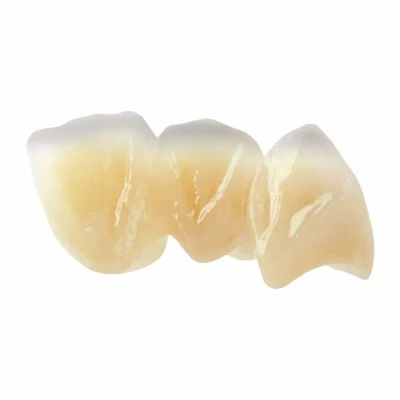
First, let’s ground this in what Implant PFM actually is, just to make sure we’re all on the same page. It’s a restorative solution that combines the strength of a titanium implant fixture (fused to a small metal abutment) with the natural-looking porcelain that matches a patient’s adjacent teeth. It’s been a go-to for single-tooth replacements for decades, but its reliability depends entirely on the surgical and clinical prep done before the first incision, before the implant is even placed. When a dentist or specialist reaches out to our team for Implant PFM components, we don’t just ship the parts and cross our fingers—we walk them through every pre-operative check we’ve developed with top clinicians across North America and Europe, because we know that the quality of the final product starts long before our materials arrive.
Let’s start with the patient’s oral health baseline, because no implant procedure works on a foundation of untreated disease. I can’t tell you how many times we’ve gotten a last-minute call from a dentist saying they thought their patient was “ready” for an implant, only to discover severe, untreated periodontal disease, untreated cavities, or even undiagnosed bruxism that would put the final PFM at risk of cracking or chipping. The first pre-operative requirement isn’t a tool or a material—it’s a comprehensive oral examination that includes a full-mouth periodontal chart, periapical or panoramic radiographs, and even a cone beam computed tomography (CBCT) scan if there’s any question about bone volume or anatomy.
Wait, bone volume is such a big one, and it’s not just about having enough bone—it’s about the quality and the three-dimensional shape of that bone. For an Implant PFM, the abutment needs to sit perfectly aligned with the adjacent teeth, so if there’s insufficient bone in the buccal-lingual dimension or the apico-coronal dimension, the implant won’t be positioned correctly, leading to a restoration that looks bulky, uncomfortable, or even fails. Our team recommends that clinicians use CBCT to measure bone density (we typically look for a minimum of D2 bone, which is dense enough to support osseointegration) and the available space between the adjacent teeth—usually, a minimum of 7mm mesiodistal space is required for a single-tooth Implant PFM. We’ve seen cases where a clinician tried to skip the CBCT and go with a 2D x-ray, only to find that the nerve was positioned too close to the planned implant site, requiring a last-minute bone graft and delaying the procedure by months. That’s the kind of avoidable hurdle we work to help our customers steer clear of.
Next up, the patient’s overall health and medical history. This is a step that’s often rushed, but it’s non-negotiable for implant success. We’ve had patients with uncontrolled diabetes come in for Implant PFM procedures, and even if their local dentist cleared them for surgery, we know that impaired glucose levels can slow osseointegration and increase the risk of infection. The American Academy of Implant Dentistry (AAID) recommends that patients have a HbA1c level below 7% before any implant surgery, and that’s a benchmark we always emphasize to our customers. Other medical factors matter too: patients taking bisphosphonates for osteoporosis are at risk for osteonecrosis of the jaw, so clinicians need to confirm that their dose is low (oral bisphosphonates for less than three years) and that the surgery can be done safely, potentially with a drug holiday if appropriate. Smoking is another big one—we see 2x higher failure rates in patients who smoke more than 10 cigarettes a day, so we always remind clinicians to counsel patients to quit (or at least reduce) smoking for at least two weeks before surgery and four weeks after, to give the bone a chance to integrate properly.
Then there’s the aesthetic and functional assessment, which is where Implant PFM stands out from other implant restorations. A PFM is meant to blend in with the patient’s natural teeth, so pre-op planning can’t be just about function—it has to be about how the restoration will look when the patient smiles. We work with our customers to recommend taking detailed intraoral photos, facial photos, and even dental scans (either traditional impressions or digital scans) before surgery, so we can fabricate a custom abutment that matches the gum line and the color of the adjacent teeth. Too often, clinicians wait to choose the abutment until after the implant is placed, but taking pre-op impressions or digital scans lets our team design a subgingival margin that’s hidden below the gum line, making the final PFM look seamless instead of like a foreign object. We also ask clinicians to assess the patient’s occlusal bite—bruxism, or teeth grinding, is the top cause of Implant PFM chipping and fracture, so pre-op bite analysis (including a bite registration and potentially a night guard recommendation) is critical. If a patient grinds their teeth and we don’t account for that pre-operatively, the porcelain could crack within a year, and that’s a failure we could have prevented.
Infection control is another pre-operative requirement that’s often overlooked, but it’s a core part of our guidelines as a supplier. Before implant surgery, the patient needs to undergo a full mouth disinfection, usually with a chlorhexidine rinse, to reduce the bacterial load in their mouth. We recommend that clinicians prescribe a 3-5 day course of systemic antibiotics for patients at higher risk (like those with a history of infection or compromised immune systems), but we caution against over-prescribing, which can lead to antibiotic resistance. The surgical site itself needs to be fully healthy—no active abscesses, no periodontal pockets deeper than 4mm around the adjacent teeth—because those bacteria can migrate to the implant site and cause peri-implantitis, a condition that can lead to implant failure years later. Our team provides detailed infection control checklists to every customer who purchases our Implant PFM components, because we know that a sterile, healthy surgical site is the first step to long-term success.
Wait, what about temporary restorations? That’s a pre-operative step too, right? A lot of clinicians think of temporary restorations as something done after implant placement, but pre-op planning for a temporary PFM or a provisional restoration is important to set expectations for the patient and to guide the final healing of the gum line. If a patient leaves the surgery with a temporary that’s too bulky or misaligned, their gum tissue won’t heal into the ideal shape, making the final PFM look off. We work with clinicians to help design provisional restorations that match the emerging gum profile, so by the time the final Implant PFM is ready, the gum line is stable and the restoration fits perfectly. We’ve had customers tell us that taking the time to plan the provisional pre-operatively cut their adjustment time for the final PFM by half, which is a win for everyone involved.
Now, let’s talk about why this matters for our customers, the clinicians, and for us as a supplier. When a dentist follows these pre-operative steps, they reduce the risk of implant failure, reduce the number of adjustments needed for the final restoration, and improve patient satisfaction. As a Implant PFM supplier, our job isn’t just to sell abutments and porcelain—our job is to provide the tools and guidance to help clinicians deliver better outcomes. That’s why we invest so much in creating educational resources, including pre-operative checklists, webinars with periodontists, and one-on-one consultations for customers who are new to Implant PFM. We’ve seen too many clinicians go through the process without proper pre-op preparation, only to have to remake a PFM because the implant was placed too far back, or the bone didn’t integrate properly, and that’s a waste of time, money, and most importantly, the patient’s trust.
I want to share a quick story that illustrates this. A few years back, we worked with a general dentist who had been doing Implant PFM for a few years but was having a 15% failure rate. When we walked through his pre-op process with him, we found he was skipping the CBCT, not assessing his patients’ HbA1c levels, and not checking for bruxism. Over the next six months, we provided him with a pre-op checklist, helped him set up a partnership with a local radiology clinic for affordable CBCT scans, and shared our bruxism assessment guidelines. By the end of the year, his failure rate dropped to 3%, and he told us it was the best investment he’d made for his practice, beyond just the cost of our components. That’s the impact that proper pre-operative requirements can have, and that’s the kind of partnership we strive to build with every customer.
Let me make sure I’m not missing anything. What about post-extraction timing? That’s a big part of pre-op for patients who are getting an implant after a tooth is extracted. If a patient has a hopeless tooth that needs to be pulled, the timing of the implant placement (immediate vs. delayed) is a pre-operative decision that affects the Implant PFM. If we place an implant immediately after extraction, the bone is still healing, so the abutment needs to be designed to account for the healing socket, and we have to make sure there’s enough soft tissue to cover the implant. If we wait 3-6 months after extraction, the bone has stabilized, which makes the implant placement more predictable. Our team works with clinicians to help them decide the right timing for each patient, based on their oral health and aesthetic goals, because that decision shapes the entire Implant PFM process.
Another point: material compatibility. As a supplier, we make our Implant PFM components from high-quality, medical-grade titanium that’s fused with porcelain that’s specifically formulated for dental use, but pre-op planning should include confirming that the metal abutment we provide is compatible with the implant fixture the clinician is using. We offer a wide range of abutment sizes and angles, and we work with our customers to match the abutment to the implant system they prefer, so there’s no compatibility issue that would derail the procedure. We also provide pre-fabricated temporary abutments for clinicians who want to place a provisional restoration right after implant surgery, which saves time and ensures a better fit.
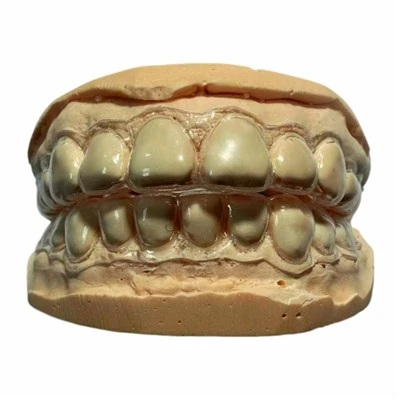
At the end of the day, the pre-operative requirements for Implant PFM are all about reducing risk, setting realistic expectations, and ensuring that every part of the process works in sync. It’s not a list of hoops to jump through—it’s a roadmap that helps clinicians deliver a restoration that looks great, functions like natural teeth, and lasts for decades. If you’re a clinician who’s considering Implant PFM for your patients, or if you’ve been using it but looking to streamline your pre-op process, our team is here to help. We don’t just ship parts—we provide the support and guidance to make every Implant PFM procedure a success. If you’d like to discuss your specific needs, or learn more about our pre-operative planning resources, feel free to reach out to our team to start a conversation about your next Implant PFM project.
Flexible Valplast Denture References
- American Academy of Implant Dentistry. (2021). Implant Dentistry Pre-Operative Assessment Guidelines. Journal of Oral Implantology, 47(3), 289-302.
- Misch, C. E. (2018). Contemporary Implant Dentistry (4th ed.). Elsevier.
- Wang, H. L., et al. (2020). Risk Factors for Implant Complications: A Systematic Review. Clinical Oral Implants Research, 31(12), 1245-1260.
- International Organization for Standardization. (2019). ISO 10993-1: Biological Evaluation of Medical Devices – Part 1: Evaluation and Testing Within the Risk Management Process.
Shenzhen Tuomei Dental Technology Co., Ltd.
We are one of the most professional implant pfm manufacturers and suppliers in China, featured by quality products and low price. Please rest assured to buy discount implant pfm made in China here from our factory. Welcome to view our website for more information.
Address: Room 301, Building C Fuhe Industrial Park No.18 Hexiu West Road, Zhancheng Community Fuhai Subdistrict, Bao’an District, Shenzhen, Guangdong, China
E-mail: dentallab.works@gmail.com
WebSite: https://www.sztuomeidentallab.com/
