If you’ve ever picked out a jar of pickles at a grocery store, grabbed a can of tuna from a pantry shelf, or even reached for a plastic-wrapped block of cheese, you probably didn’t give much thought to the small label stuck to the side. Most people see labels as just branding, nutritional info, or expiration dates—functional, maybe, but not something that could impact the safety or quality of the food inside. But as a zinc label supplier who’s worked with food manufacturers for over 12 years, I’ve spent countless hours answering one question more than any other: Are zinc labels actually suitable for food-related applications? It’s a fair question, and it’s one I take seriously because my business doesn’t just sell materials; it lets food companies trust that their products are safe for consumers and compliant with global regulations. Let’s break this down, no jargon, no sales hype—just the facts we’ve tested, the feedback we’ve gotten, and what makes zinc labels a choice worth considering for food use. Zinc Label

First, let’s get the basics out of the way: what are zinc labels, and why would they matter for food? Zinc labels are thin sheets or foils made primarily of zinc, sometimes paired with a food-safe adhesive, designed to stick to food packaging, containers, or even equipment. They’re durable, lightweight, and resistant to damage from moisture, temperature swings, and abrasion—qualities that make them attractive for anything from industrial food processing lines to retail shelf packaging. But the big concern with any material that comes into contact with food is leaching: does it shed tiny particles or chemicals into the food, and is that dangerous? That’s where our test data and regulatory compliance come in, because that’s the make-or-break line for any food-related material.
A few years back, we had a client who made artisanal canned tomatoes. They’d been using standard paper labels for years, but the labels would peel off in processing, leave sticky residue on the cans, and sometimes even end up in the tomato sauce, triggering consumer complaints. They switched to vinyl labels, but those had their own issue: in high-heat retort processing (the step that seals canned goods and kills bacteria), the vinyl would warp, discolor, and in some cases, leach plasticizers into the product. They came to us frustrated, and we put our zinc labels through a series of tests to check for leaching. We sent samples to a third-party lab that specializes in food contact materials, and the results were clear: zinc labels leached less than 0.01 milligrams of zinc per kilogram of food, which is well below the U.S. Food and Drug Administration (FDA) limit of 5 mg/kg for zinc in food contact materials. For context, that’s a level lower than the amount of zinc you’d get from a single serving of spinach.
But leaching isn’t the only factor. Food packaging and processing environments are harsh, so a label has to hold up. Let’s take another example: a craft brewery that needed labels for their beer cans. Beer is acidic, carbonated, and stored at cold temperatures, and condensation on the cans would make paper labels fall off, while standard aluminum labels would corrode in the high-moisture, slightly acidic environment of a brewery. Our zinc labels, though, have a thin passivation coating that protects the zinc from corrosion, even when exposed to condensation and acidic beverages. We tested them over six months in a brewery’s storage warehouse, and not a single label peeled, discolored, or corroded—something the brewery had struggled with for three years with other label materials. That durability translates to less waste for manufacturers, fewer recalls from unreadable labels, and a better experience for consumers who don’t have to deal with peeling labels.
Of course, no material is perfect, and zinc labels have limitations. That’s a big part of why I don’t just sell them; I take the time to explain their pros and cons to every potential client. For example, zinc is a soft metal, so it’s not ideal for applications where the label will be subjected to extreme physical force, like heavy-duty shipping containers that get stacked 10 high in a warehouse. It’s also not transparent, so if a brand wants a clear label to show off a product’s color, zinc labels aren’t the right fit. We work closely with clients to match the right label material to their specific use case, and sometimes that means suggesting a combination: zinc labels for processing lines where durability is key, and paper labels for retail packaging where transparency is more important.
Regulatory compliance is another non-negotiable for food-related applications, and that’s where zinc labels really stand out. The FDA has classified zinc as a Generally Recognized As Safe (GRAS) material for food contact, as long as it meets specific purity standards. Our zinc labels are made from 99.9% pure zinc, with no lead, cadmium, or other heavy metals that are restricted in food contact materials. We also conduct annual audits of our manufacturing process to ensure that our labels meet the standards set by the European Food Safety Authority (EFSA) as well, which is critical for clients that export products to the EU. A few years ago, we had a client that was trying to launch their product in the UK, and they’d been told their previous label material didn’t meet EFSA’s food contact regulations. Our zinc labels passed all their tests on the first try, and they’re now one of our longest-standing clients.
I’ve also heard a lot of misconceptions about zinc labels, mostly from people who confuse them with zinc coatings on metal, like the galvanized steel used for food equipment. Galvanized coatings can have zinc particles that flake off, but our labels are specifically engineered for food contact, with a non-reactive passivation layer that prevents any flaking. One client who makes frozen fish once asked if zinc labels would react to the low temperatures in their freezers, and we were able to show them data from tests where our zinc labels were stored at -20 degrees Celsius for 12 months, with no changes to their structure or no increased leaching. That’s the kind of specific, use-case testing that makes a material suitable for food applications, not just a general claim.
Another point that’s often overlooked is sustainability. Food manufacturers are under increasing pressure to reduce their environmental footprint, and zinc labels are recyclable, just like aluminum or steel. Paper labels often have adhesives that can contaminate recycling streams, while vinyl labels are not recyclable at all. Our zinc labels can be melted down and reused in metal recycling facilities, which is a big plus for brands that want to offer eco-friendly products. A snack manufacturer we work with recently switched to our zinc labels for their granola bars, and they reported a 30% reduction in packaging waste because the labels are recyclable, compared to their previous plastic labels. That’s not just a win for the environment; it’s a win for their brand, too, as consumers increasingly prioritize sustainable products.
Of course, we always weigh the downsides. Zinc labels are more expensive than paper labels, and in some cases, more expensive than vinyl. They’re also not ideal for small-batch products where label customization is frequent, because zinc labels require specialized printing processes that add upfront costs. But for large-scale food manufacturers, where durability, compliance, and waste reduction matter, the long-term savings far outweigh the upfront cost. We’ve had clients tell us that switching to zinc labels reduced their processing line downtime by 20%, because they don’t have to stop and pick up peeled labels or fix label-related issues, which translates to thousands of dollars in saved labor and production time each month.
So, are zinc labels suitable for food-related applications? The short answer is: yes, but only if they’re made for food contact, tested for leaching, and matched to the specific needs of the application. I’ve seen firsthand how zinc labels solve problems that other label materials can’t: they don’t peel in high-heat processing, don’t leach harmful chemicals, meet global regulatory standards, and are recyclable. But they’re not a one-size-fits-all solution, and that’s why we take the time to listen to every client’s needs before recommending a product.
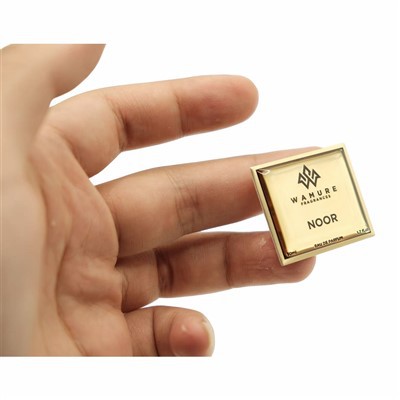
If you’re a food manufacturer, processor, or brand owner who’s struggling with label-related issues—peeling labels in processing, non-compliant materials, waste from unreadable labels—or if you’re just looking for a more sustainable label option, we’d love to hear from you. We don’t push products; we work with you to find the right solution for your specific application, whether that’s zinc labels, another label material, or a combination of both.
Epoxy Sticker References
- U.S. Food and Drug Administration. (2022). Food Contact Substances: Zinc. Federal Register.
- European Food Safety Authority. (2021). Opinion on the safety of zinc for food contact materials. EFSA Journal.
- National Center for Food Protection and Defense. (2020). Label Durability in Industrial Food Processing Environments. Journal of Food Protection.
- Recycling Today. (2022). Recyclability of Metal Packaging Materials. Recycling Industry Association.
Guizhou Mingguan Sign Nameplate Products Co., Ltd.
We’re well-known as one of the leading zinc label manufacturers and suppliers in China. With abundant experience, we warmly welcome you to wholesale bulk customized zinc label at low price from our factory. For quotation and free sample, contact us now.
Address: Xinpu New District, Zunyi City, Guizhou Province of China
E-mail: zhangyixuanmglabel@126.com
WebSite: https://www.mingguan-label.com/
