Hey there, let’s cut to the chase—if you’ve ever dealt with heat exchangers long enough, you’ve probably had that “wait, what’s that gunk on the tubes?” moment. I’m the owner of a heat exchanger parts supplier, and let me tell you, dirt (the weird, random buildup that coats every nook and cranny) isn’t just an eyesore. It’s the silent troublemaker that ruins efficiency, costs you cash, and turns small maintenance jobs into full-blown headaches. Most folks I talk to don’t realize how big of a deal this is until their system’s running at half speed, so let’s break this down real, no-fluff style. Heat Exchanger Parts
First off, let’s define what “dirt” even means here because it’s not just regular yard clippings. When we’re talking about heat exchangers, dirt is that chaotic mix of anything that clings to the metal parts—mineral scale from hard water, organic gunk like algae or mold if your system sits humid, rust from corroded pipes, even tiny particulate matter from industrial processes (think: construction dust, food processing debris, or chemical residue). And here’s the kicker: it doesn’t just sit on the surface—if left alone, it builds up into a thick, insulative layer. That’s the biggest red flag, right? Heat exchangers work by transferring heat between two fluids (like hot water and cold air, or coolant and oil) through those metal parts—tubes, plates, fins, whatever. Metal’s a decent conductor, but that dirty buildup? It’s like putting a wool blanket between a space heater and your wall. It slows that heat transfer way down, and suddenly your system’s working twice as hard just to do the same job. I’ve had regular clients tell me their energy bills jump 20-30% in a year after they skipped cleaning parts—you’d notice that, right? No small number.
Wait, let’s get specific about the parts because dirt affects each one differently, and that’s where the real damage happens. Take tubes—those are the bread and butter of shell-and-tube exchangers, super common in HVAC and manufacturing. If dirt builds up inside a tube, it narrows the flow path. That means the fluid’s moving slower, so it hangs around longer, and more gunk sticks to the existing gunk—it’s a vicious cycle. For example, a tube that’s got 1mm of scale buildup might only have 90% of its original flow capacity, and over time, that pressure drop forces your pump to work harder. I’ve seen pumps burn out 18 months early just because of dirt-related pressure strain. And when tubes get clogged that bad, you’re not just dealing with high bills—you might have to replace a whole bank of tubes, which is way more expensive than regular maintenance.
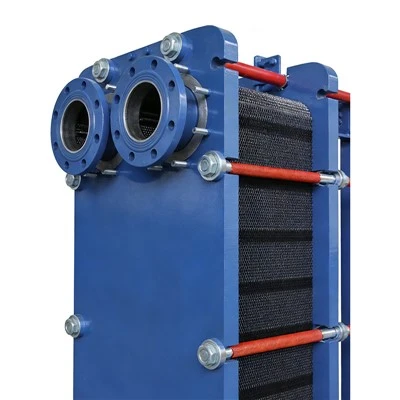
Then there’s plate heat exchangers, which are super popular in food and beverage or pharmaceutical plants because they’re compact. Their plates have those tiny, corrugated channels, perfect for efficient heat transfer—but also perfect for trapping dirt. Organic gunk like yeast residue or milk solids (I work with a lot of food plant guys) gets stuck in those grooves, and bacteria love that. Before you know it, you’ve got not just dirty parts, but a biofilm that’s actually corrosive. That biofilm eats away at the plate’s metal, leading to pinhole leaks. One of my clients last year had a whole batch of sauce go bad because a tiny leak from a corroded plate let coolant mix in—cost them tens of thousands in product and downtime. Dirt isn’t just hurting the equipment; it’s risking your whole operation.
Fins, the thin metal blades on air-cooled exchangers (like the ones on your AC unit or industrial cooling towers), are another story. They’re designed to catch air and pull heat away, but dirt clogs the gaps between them. Even a light layer of dust or lint on fins can block 15-20% of air flow, per some studies I’ve seen. I had an HVAC customer who skipped annual fin cleaning, and his system was blowing lukewarm air—turns out the fins were so caked in dirt, they couldn’t push air at all. We ended up selling him a set of replacement fins because the old ones were too corroded from trapped moisture (dirt holds water, y’know) to clean. He told me replacing those fins was way cheaper than fixing the AC compressor that would’ve burned out if he’d waited another month.
Now, let’s talk about the hidden stuff—corrosion and wear that dirt causes over time. Most people think dirt is just a flow issue, but that insulative layer? It traps moisture and chemicals right against the metal surface. For example, mineral scale from hard water has tiny cracks where water seeps in, and that leads to pitting corrosion—small holes in the metal that grow bigger over time. Those pits weaken the part, so it’s way more likely to crack under pressure. I see this all the time with old heat exchangers—they’ll pass a pressure test one month, and spring a leak the next because of hidden pitting from dirty buildup. And if you’ve got corrosive industrial dirt (like from a chemical plant), that corrosion is even worse—we’ve had clients replace entire shell housings because dirt ate through the metal in 2 years, instead of the 10+ years it should last.
Wait, let’s get real about the cost side, because that’s what matters to everyone. When dirt hits your heat exchanger parts, you’ve got three big costs: energy, downtime, and parts replacement. The US Department of Energy actually says that dirty heat exchangers cost industrial facilities billions every year in wasted energy. On top of that, if your system goes down because a tube clogged or a fin corroded, that’s downtime—manufacturing plants might be down thousands per hour, food plants can’t risk that because of spoilage. And parts replacement? If you catch dirt early, you can just clean the parts, maybe replace a small fin or tube. But if you wait, you might have to replace an entire exchanger, which is a six-figure job. I had a refinery client last year who ignored dirt on their heat exchanger, and a tube ruptured—they had to shut down a whole processing unit for 3 days, costing them over a million dollars. That’s not a “minor inconvenience.”
But here’s the good news—this is all preventable, right? And as a parts supplier, I’m not here to sell you something you don’t need, but I will tell you that regular part checks and targeted replacements when dirt does hit saves way more than it costs. For example, if you clean your tubes twice a year and replace a $500 fouled tube before it clogs, you avoid $10k+ in energy bills and downtime. A lot of my clients set up a maintenance schedule where they check parts monthly, and when we send out replacement parts that are built to resist dirt buildup (like tubes with smoother inner surfaces that don’t trap scale, or fins with a coated surface that repels dust), that cuts down on issues even more.
Wait, let’s clear up a common myth I hear all the time: “Dirt is just part of the game, we’ll just clean it when it’s bad.” Yeah, but by then, the damage is already done. I’ve seen guys wait until their system is at 50% efficiency, and by that point, the scale has already caused permanent wear on the tubes, so even after cleaning, they still have higher energy bills. Catching dirt early means you can just scrape or chemical-clean the parts, no replacement needed. A quick check on your plates or tubes every quarter can save you from a disaster.
Also, not all dirt is the same, so your approach matters. If you’re in a food plant, you can’t use harsh chemicals to clean—you need parts that are easy to take apart and sanitize regularly. If you’re in a construction zone with lots of dust, you might need fin guards to keep dirt out, paired with coated fins that don’t stick. As a supplier, I work with clients to tailor parts to their specific dirt issues, not just sell generic stuff. That’s why I’m not just a parts guy—I’m the guy who’s walked through a food plant’s production floor, watched their exchanger get caked in yeast, and recommended the right plates that are easy to take apart and clean, so their downtime is minimal.
Let me wrap this up because I know I rambled a bit, but the takeaway is simple: dirt on heat exchanger parts isn’t trivial. It kills efficiency, hikes energy bills, causes corrosion and leaks, leads to costly downtime, and shortens the life of your parts and your whole system. You don’t have to be a scientist to see this—just check your energy bills, check your parts every few months, and when you do need replacements, go with parts designed to handle whatever dirt your system throws at it.

If you’re dealing with a dirty heat exchanger, notice weird pressure drops, or just want to make your system run smoother, hit me up to chat about parts that fit your needs. No sales pitch, no hidden fees, just straight talk from someone who’s been in this game for years and seen way too many clients get burned by ignoring that gunk.
Heat Exchanger References:
- U.S. Department of Energy. (2019). Energy Efficiency Improvement and Cost Saving Opportunities for the Process Industries.
- Heat Exchanger Institute. (2021). Effects of Fouling on Heat Exchanger Performance and Component Wear.
- Food and Drug Administration. (2020). Sanitation Standards for Food Equipment Components.
Shandong Meiling International Trading Co., Ltd.
We are one of the most professional heat exchanger parts manufacturers and suppliers in China, featured by quality products and good service. Please feel free to wholesale advanced heat exchanger parts made in China here from our factory. Customized orders are welcome.
Address: No. 998 Niushan Road, Linzi District, Zibo City, Shandong Province
E-mail: dingxiaoli@sdmeiling.com.cn
WebSite: https://www.ml-heatexchanger.com/
