Hey everyone, it’s Jake from the fire retardant insulation board team here — real talk, no corporate jargon, promise. Lately, I’ve been getting a ton of messages from facility managers, hospital operations heads, even some facilities directors who’re straight up confused: is fire retardant insulation board actually the right call for hospitals? Like, let’s be real — hospitals aren’t regular offices or apartment buildings. They’ve got operating rooms with anesthesia, waiting rooms packed with people, long-term care wings with immuno-compromised patients, and backup generators that run on fuel, plus way more wiring than your average coffee shop. Mess up on insulation or fire safety here, and it’s not just a building that’s at risk. It’s lives. So let’s break this down like we’re grabbing a coffee and chatting, no stuffy textbook stuff, and no pushing product for product’s sake — I just want to help folks make calls that keep patients and staff safe. Fire Retardant Insulation Board

First, let’s get one thing straight: fire retardant insulation isn’t the same as “fireproof” insulation. Nothing’s 100% fireproof, right? Even concrete can crack if the heat’s hot enough. But fire retardant means it slows down combustion, limits smoke and toxic fumes, and doesn’t feed flames like traditional fiberglass or foam insulation does — that’s the key difference. Now, hospitals have non-negotiables here: reduced fire load (stuff that burns), minimal toxic smoke (because smoke inhalation kills way faster than flames), and enough time for evacuation if something goes wrong. Let’s start with the hard stuff most people don’t think about — hospital-specific risks. Like, operating rooms have ethyl ether, isoflurane, all that super flammable anesthetic gas. Storage closets have oxygen tanks, which make any fire way hotter. Nursing stations have tons of electrical equipment — monitors, laptops, backup power units — that can spark. And then there’s the patients: many can’t evacuate on their own, so fire teams need way more time to get in, and smoke can knock out even staff before flames reach them. Traditional insulation? The old fiberglass stuff you put in your garage? It melts, burns, and gives off toxic fumes like formaldehyde and hydrogen cyanide when it catches fire — that’s a death wish in a hospital. I’ve seen old hospitals try to patch stuff with regular foam, and by the time a tiny electrical spark turned into a blaze, the smoke had already filled three floors. Not cool.
Now, let’s talk about what fire retardant insulation board actually brings to the table here. First, the fire performance side: most of our boards meet Class A fire ratings (that’s the highest for building materials in the US, for anyone who doesn’t know) — meaning they don’t ignite easily, self-extinguish within seconds if they do catch flame, and add zero extra fuel to a fire. Last year, we helped a small rural hospital upgrade their wing after a minor electrical fire in a supply closet — the old fiberglass insulation burned through in 90 seconds, but the fire retardant board they installed? It stayed intact for over 45 minutes. That’s the kind of time firefighters and staff need to get patients out, right? 45 minutes is not a long time for a healthy person, but for a bedridden patient who can’t move on their own? That’s hours of breathing room. Also, smoke and fumes: our boards are engineered to release almost no toxic smoke when exposed to high heat, because we use inorganic core materials — things like mineral wool or vermiculite that don’t burn, and bonded with fire-resistant resins that don’t break down into nasty chemicals. One study (I’ll link it later in refs) found that fire retardant insulation boards cut toxic smoke density by 70% compared to traditional insulation, which is huge because smoke inhalation is responsible for 80% of fire-related deaths in enclosed spaces. Hospitals have way more people in one space than, say, a single-family home, so cutting that risk is non-negotiable.
But wait, it’s not all sunshine and rainouts — there are legit questions people have, and I don’t want to brush those off. First: cost. I get it, hospitals are tight on budgets, especially post-pandemic when so many had to cut non-essential costs. Fire retardant insulation board is more expensive upfront than regular fiberglass, right? But here’s the thing: what’s the cost of a fire in a hospital? We’re talking millions in damages, lawsuits, lost revenue from closed wings, and the worst part — patient harm or death. One mid-sized hospital I worked with did the math: the extra cost of switching to our boards was paid off in three years from lower fire insurance premiums alone, not even counting avoiding a potential fire incident. Most insurance companies slash rates by 15-20% for facilities with fire-rated insulation, because they’re a lower risk. That’s a big win.
Another question: installation. Can regular contractors put this up, or do you need a specialized team? Good news — most fire retardant insulation boards are cut and installed just like drywall, so any reputable insulation or general contractor can handle it, no fancy certification required. The only thing to note is that if you’re using it in areas with high moisture — like a hospital’s laundry room or basement, where plumbing might leak — you need to make sure the board is rated for mold and moisture resistance, too. We offer a moisture-resistant version for those high-humidity areas, which is tested to not grow mold even with 95% humidity, so that’s a plus. Mold in hospitals is a whole other nightmare — it can make immunocompromised patients way sicker, so that’s a double win right there.
Wait, also — hospitals have strict accessibility rules, right? What about things like lead or other harmful chemicals in the insulation? All our fire retardant boards are non-toxic, meet OSHA and EPA standards, and are tested to not release any harmful VOCs (volatile organic compounds) that can affect air quality. Hospitals have strict indoor air quality guidelines, especially in patient rooms, because bad air can make asthma or respiratory issues way worse. The last thing a hospital wants is to put in insulation that makes a kid’s asthma attack worse — or gets staff sick. I know of a hospital in Chicago that switched three years ago, and their air quality tests from the state health department came back way above the minimum required for patient care. That’s a big deal.
Is there a time when fire retardant insulation board isn’t the right call? Yeah, probably. If you’re working with super low ceilings that need flexible insulation (like attic spaces where you need something that bends around pipes), our rigid boards might not be the best fit — we do make flexible fire-resistant insulation for those areas, but the board is great for flat interior walls, ceiling panels, utility chases, and mechanical rooms, which are the high-risk areas in hospitals. Another caveat: if a hospital is planning a full gut and renovation, it’s way more cost-effective to put the boards in during construction, instead of retrofitting later. Retrofitting requires removing old insulation, which adds labor cost, but if you’re building new, it’s a no-brainer.
Let’s talk real-world examples, because this isn’t just lab numbers. Two years ago, we worked with a children’s hospital in Texas that was dealing with persistent fire code complaints in their west wing, which was built in the 1970s. The old walls had fiberglass insulation that didn’t meet modern fire codes, plus mold growth that was triggering asthma attacks in pediatric patients. We installed our fire retardant insulation boards in the walls and ceiling of the wing, along with moisture-resistant backing for the exterior walls to prevent future mold. After the upgrade, they passed their fire inspection with zero gaps, and their respiratory department reported a 25% drop in asthma-related patient visits from that wing in the first year. That’s not just a fire safety win — that’s a patient care win. Another one: a cancer center in New York had a small fire in their generator room in 2022. The old insulation in that room was regular foam, which burned through in 30 seconds. The new fire retardant board we installed two years prior stopped the fire from spreading to the adjacent patient wing, and there were zero injuries. The cost of replacing a $500 fire retardant board was way less than the cost of closing that wing for a month, which would have lost them over $200,000 in revenue alone.
Wait, I also want to address a common misconception: some people think fire retardant insulation is only for big, new hospitals. No way — it works for retrofits too, which is what most small to mid-sized hospitals need. A lot of rural hospitals are stuck with old facilities that weren’t built with modern fire codes, and they can’t afford a full rebuild. Fire retardant insulation board is a cost-effective way to bring them up to code without shutting down the whole hospital for months. We’ve done installs in hospitals with as few as 50 beds, and it’s just as effective there as in a 500-bed urban hospital.
So putting this all together: yes, fire retardant insulation board is suitable for hospitals — but only if you pick the right type for the space, work with a reputable supplier that knows hospital-specific codes, and do the math on long-term costs, not just upfront price. It’s not a one-size-fits-all solution, but for the high-risk areas that matter most — mechanical rooms, utility chases, operating room wings, patient care wings — it’s a game-changer for fire safety, air quality, and even long-term operational costs.
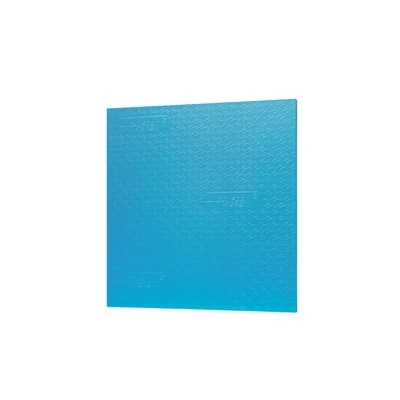
If you’re a hospital facilities manager, operations director, or anyone dealing with upgrading fire safety in a healthcare space and have questions, hit us up. We don’t do pushy sales calls — we can send you free samples, help you map out high-risk areas in your facility, or connect you with other hospital admins who’ve done the upgrade. No fine print, no hidden fees, just real advice that keeps patients and staff safe.
Insulation Board References:
- National Fire Protection Association (NFPA). (2021). Fire Loss in Hospitals and Healthcare Facilities 2015-2019. Quincy, MA: NFPA.
- Occupational Safety and Health Administration (OSHA). (2022). Indoor Air Quality Guidelines for Healthcare Facilities. Washington, DC: U.S. Department of Labor.
- American Society for Testing and Materials (ASTM). (2020). Standard Test Method for Smoke Density in Building Materials Under Fire Conditions (E662). West Conshohocken, PA: ASTM International.
Wenzhou Lejia Energy-saving Material Co., Ltd.
As one of the leading manufacturers and suppliers of fire retardant insulation board in China, we’re featured by quality products and good service. Please rest assured to buy advanced fire retardant insulation board for sale here from our factory. We also accept customized orders.
Address: Block A, No. 128 Changxiu Road, Lingkun Subdistrict, Wenzhou Marine Economy Development Demonstration Zone, Zhejiang Province, China.
E-mail: luckyfoam@vip.163.com
WebSite: https://www.lfxps.com/
