If you’ve ever walked through a metal fabrication shop, handled a roll of carbon steel rebar, or stood in front of a pile of steel plates at a construction yard, you’ve probably noticed something familiar: most of that carbon steel sticks to a magnet. But there’s a common misconception floating around—one I hear all the time from new clients and even seasoned fabricators— that all carbon steel is magnetic, or that it’s magnetic because it’s “just iron with a little carbon added.” As a third-generation carbon steel supplier with 18 years on the floor, I’ve fielded this question so many times I could answer it in my sleep, but it’s one worth unpacking properly. Not just because it’s a fun science fact, but because knowing the difference between magnetic and non-magnetic carbon steel directly impacts every decision a fabricator, engineer, or construction manager makes. Let’s break it down, plain and simple. Carbon Steel
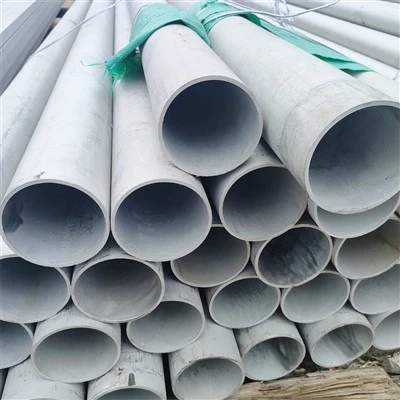
First, let’s start with the basics of why any metal is magnetic. Magnetism in metals boils down to the arrangement of their atoms, specifically the tiny magnetic moment of electrons orbiting those atoms. For a metal to be magnetic, those moments need to line up in the same direction, creating regions called magnetic domains. When the domains point randomly, the metal isn’t magnetic; when they align, it’s attracted to a magnet (or can become a magnet itself). The classic example is pure iron, which is ferromagnetism’s textbook case—if you run a magnet over a piece of pure iron, the domains snap into alignment, and it sticks tight.
Now, carbon steel is an alloy made mostly of iron, with carbon content ranging from 0.05% to 2.1% by weight (for reference, steel with more than 2.1% carbon is cast iron). So why is most carbon steel magnetic? The short answer is that the iron in carbon steel is almost always in a form called ferrite, or pearlite, which has a crystal structure that lets magnetic domains align. Even with carbon mixed in, there’s not enough disruption to the iron’s atomic structure to throw that alignment off—at least, not in the most common grades of carbon steel. Let’s take the grades that most of our customers order every single day: A36 carbon steel, the workhorse of construction; 1018 mild steel, used for everything from fasteners to machinery parts; 1045 carbon steel, used for shafts and gears that need extra strength. Every single one of these is magnetic, no exceptions. I’ve tested thousands of shipments over the years, and a quick swab with a standard neodymium magnet will stick to every piece of A36 plate we ship, every length of 1018 rebar, every coil of 1045 bar stock. For our clients, that’s a feature, not a bug—magnetism makes these grades easy to handle on job sites, to lift with magnets, to sort from other metals on scrap runs. It’s part of why these are the go-to carbon steels for most projects.
But here’s the part most people don’t know, and it’s the part that causes the biggest headaches when specs are misread: not all carbon steel is magnetic. In fact, there’s a specific subset of carbon steel grades that are decidedly non-magnetic, and that comes down to how they’re processed, not just their carbon content. The key here is another iron crystal structure called austenite. Austenite forms when steel is heated above 1333°F (727°C) and cooled in a specific way—usually very slowly, or through a process called annealing. When austenite is present in steel, the atomic structure is face-centered cubic, which means magnetic domains can’t line up. That’s why austenitic carbon steel is non-magnetic.
The most common example of this is 300-series stainless steel, wait—no, hold on, I’m talking about carbon steel here, not stainless. Let’s get back to carbon steel. There are low-carbon, high-manganese carbon steels that are intentionally processed to be austenitic, and thus non-magnetic. These are used for applications where magnetism can be a problem: things like electronic equipment parts, medical devices that need to avoid interfering with MRI machines, sensors, or components for aerospace systems. Let’s clarify a critical point here: these non-magnetic carbon steels still fit the definition of carbon steel—they have carbon as their primary alloying element, no chromium (which is what makes stainless steel stainless) added in meaningful quantities. They’re not stainless, they’re carbon steel with a specific alloy and processing recipe to get non-magnetic properties.
Why does this matter so much? I’ve seen it firsthand. A few years back, we had a client who ordered 10 tons of carbon steel for a custom assembly line for semiconductor manufacturing. Their spec sheet clearly said “non-magnetic carbon steel,” and their engineer called us to confirm we had it, so we shipped the correct grade. But a week later, the project manager showed up on our loading dock, furious. Their team had tested every piece with a magnet, and every single one stuck. They thought we’d sent the wrong product. Turns out, their engineer had mixed up two terms: they’d asked for “non-magnetic” carbon steel, but they’d specified a grade that’s actually mild steel (our standard 1018) with a magnetic ferrite structure. The mix-up cost them three days of production downtime, and a lot of headaches. That’s why understanding this difference isn’t just academic—it can cost time, money, and even ruin finished parts if you get it wrong.
So what causes that difference between magnetic and non-magnetic carbon steel, beyond crystal structure? Let’s dig a little deeper into the factors that affect magnetism in carbon steel. First, alloying elements matter, beyond just carbon. Most carbon steels only have a tiny amount of other elements—manganese, silicon, maybe sulfur or phosphorus, all added in trace amounts to improve strength or machinability. For standard grades, those trace elements don’t disrupt the ferrite structure enough to kill magnetism. But when you add higher amounts of manganese, or nickel (wait, nickel is more common in stainless, but small amounts can be added to carbon steel for non-magnetic properties), you can stabilize austenite even at room temperature. That’s exactly what the non-magnetic carbon steels are designed to do. These grades often have manganese content of 1.5% to 2.5%, compared to just 0.3% to 0.8% in standard mild steels, and they’re annealed at high temperatures to lock in the austenitic structure.
Another big factor is processing and heat treatment. I see this all the time with work hardened carbon steel. If you take a standard magnetic carbon steel, like 1018, and cold work it—bend it, stamp it, machine it really hard—you can actually change its magnetic properties. Cold working introduces tiny distortions in the crystal structure, which can sometimes turn some ferrite into austenite, making the steel slightly less magnetic. But that’s not a reliable way to get non-magnetic carbon steel, by any stretch. The change is inconsistent, it’s dependent on how much cold work you do, and it can reverse if you heat the steel back up to high temperatures (like during welding or forging). That’s why if you need consistent, guaranteed non-magnetic carbon steel, you have to specify the grade that’s intentionally formulated and processed to be that way—you can’t rely on cold working a standard magnetic grade.
Wait, let’s also clear up another myth: some people think higher carbon content means less magnetic carbon steel. That’s not true at all. High-carbon steels, like 1095, which has around 0.95% carbon (used for knives, springs, and high-strength parts), are actually some of the most magnetic carbon steels out there. The extra carbon makes the ferrite structure even more stable, so the domains line up even more easily. I’ve tested 1095 carbon steel blades with the same neodymium magnet I use to test rebar, and they stick just as tight. That myth probably comes from confusing high-carbon steel with the non-magnetic austenitic grades, which have austenite, not ferrite. Carbon content alone doesn’t determine magnetism—it’s the crystal structure, which is controlled by alloying and processing.
Now, as a carbon steel supplier, this isn’t just science to me—it’s part of what I bring to the table for every client. I don’t just sell steel; I help you pick the right grade for your project, and that means making sure magnetism is front and center in that conversation. A few months ago, we had a client in the renewable energy industry building wind turbine components that needed to be welded and inspected with magnetic particle testing. Wait, magnetic particle testing works because the steel is magnetic—when you run magnetic particles over the weld, they line up in cracks, so you can see them. If that part had been non-magnetic, they couldn’t have used that standard, affordable inspection method. Instead, they went with our standard A572 Grade 50 carbon steel, which is highly magnetic, perfect for their needs. Another client, a medical device manufacturer, needed parts for a surgical tool that would be used near MRI machines, so they ordered our non-magnetic carbon steel grade 1020NM (our internal designation for that non-magnetic, low-carbon austenitic grade). We tested every batch before shipping to confirm magnetism was below a set threshold, and that part of our quality control process is non-negotiable.
So let’s recap to make this easy to remember, because no one wants to memorize crystal structure diagrams:
- Most standard carbon steels (A36, 1018, 1045, 1095, A572 Grade 50) are magnetic. Their iron is in ferrite or pearlite crystal structure, which allows magnetic domains to align.
- Non-magnetic carbon steel is a specialized grade, with alloying elements (usually manganese) and specific heat treatment to create austenite crystal structure, so domains can’t align. It’s used for applications where magnetism would cause interference, like medical, electronic, or aerospace parts.
- Magnetism isn’t determined by carbon content alone—high-carbon steels are often more magnetic than low-carbon mild steels.
- Cold working can slightly alter magnetism, but it’s not a reliable way to make non-magnetic carbon steel.
Now, if you’re working on a project where magnetism matters—whether you’re lifting steel with a magnet, inspecting welds, building parts for electronics or medicine, or just trying to sort steel from other metals on your job site—getting this right is critical. I’ve seen clients waste thousands of dollars on the wrong grade, deal with costly delays, or even have finished parts fail inspection because they mixed up magnetic and non-magnetic carbon steel.
At the end of the day, carbon steel is one of the most versatile materials on the planet, and magnetism is just one of its many useful properties. It’s not a flaw, it’s a feature—most of the time. But when you need non-magnetic carbon steel, you can’t cut corners. That’s why we have a dedicated quality control team that tests every batch of our non-magnetic grades to ensure their magnetic properties meet your specs, and we take the time to walk through your project with you to make sure you’re picking the right steel, the first time.
If you’re working on a new project, need to confirm the right grade for your application, or have questions about magnetic properties for your specific use case, don’t hesitate to reach out. We’re here to help you get the right carbon steel, on time, and exactly as you need it.
Stainless Steel Plate Sheet References:
- ASTM A3/A36 Standard Specification for Carbon Structural Steel
- Callister, W. D. Materials Science and Engineering: An Introduction, Wiley
- ASTM A513 Standard Specification for Carbon Steel Mechanical Tubing
- ASM International. Atlas of Steel Microstructures, ASM International
Shandong Henry Group Co., Ltd.
As one of the most professional carbon steel manufacturers and suppliers in China since 1995, we’re featured by quality products and good price. Please rest assured to buy premium carbon steel for sale here from our factory. Contact us for more details.
Address: No. 2688 Meili Road, Meilihu Office, Huaiyin District, Jinan City
E-mail: sales01@henry-china.com
WebSite: https://www.henry-steelpipe.com/
