How efficient is other sewage treatment equipment?
As a supplier of other sewage treatment equipment, I’ve witnessed firsthand the critical role these systems play in maintaining environmental health and public safety. In this blog, I’ll delve into the efficiency of other sewage treatment equipment, exploring its various aspects, benefits, and real – world applications. Other Sewage Treatment Equipment

Understanding the Basics of Other Sewage Treatment Equipment
Other sewage treatment equipment encompasses a wide range of technologies and systems designed to remove contaminants from wastewater. Unlike traditional sewage treatment methods, these alternative solutions often offer unique features and advantages. They can address specific types of pollutants, operate under different environmental conditions, and be customized to fit the needs of various industries and communities.
One of the key factors in evaluating the efficiency of sewage treatment equipment is its ability to remove contaminants. This includes organic matter, nutrients such as nitrogen and phosphorus, heavy metals, and pathogens. Efficient equipment should be able to reduce these contaminants to acceptable levels, ensuring that the treated water can be safely discharged into the environment or reused for non – potable purposes.
Efficiency in Contaminant Removal
Let’s take a closer look at how other sewage treatment equipment performs in terms of contaminant removal. Many advanced systems are equipped with multiple treatment stages, each targeting different types of pollutants. For example, some equipment uses biological processes to break down organic matter. Microorganisms are introduced into the wastewater, where they consume the organic material and convert it into carbon dioxide and water. This process not only reduces the organic load but also helps in removing nutrients.
In addition to biological treatment, other equipment may incorporate physical and chemical processes. Filtration systems can remove suspended solids, while chemical coagulation and flocculation can help in aggregating smaller particles for easier removal. Advanced oxidation processes, such as ozonation and ultraviolet disinfection, are effective in killing pathogens and breaking down persistent organic pollutants.
The efficiency of these processes can be measured by the reduction in pollutant concentrations. For instance, a well – designed sewage treatment system should be able to achieve a high percentage reduction in biochemical oxygen demand (BOD), chemical oxygen demand (COD), and total suspended solids (TSS). In many cases, modern other sewage treatment equipment can reduce BOD and COD by over 90%, and TSS by more than 95%.
Energy Efficiency
Another important aspect of efficiency is energy consumption. In today’s world, where energy costs are rising and environmental concerns are growing, energy – efficient sewage treatment equipment is highly desirable. Many other sewage treatment systems are designed to minimize energy use.
Some equipment uses innovative technologies such as anaerobic digestion. Anaerobic bacteria break down organic matter in the absence of oxygen, producing biogas as a by – product. This biogas can be captured and used as a renewable energy source, offsetting the energy required to operate the treatment system. Additionally, advanced control systems can optimize the operation of pumps, aerators, and other components, reducing energy waste.
Compared to traditional sewage treatment plants, which often consume large amounts of energy for aeration and pumping, other sewage treatment equipment can offer significant energy savings. This not only reduces operating costs but also has a positive impact on the environment by reducing greenhouse gas emissions.
Space and Cost Efficiency
Space is often a limited resource, especially in urban areas. Other sewage treatment equipment can be more space – efficient than traditional treatment plants. Many systems are designed to be compact and modular, allowing for easy installation and expansion. This is particularly beneficial for small communities, industries with limited space, or areas where land acquisition is difficult.
In terms of cost, other sewage treatment equipment can offer cost – effective solutions. While the initial investment may be higher in some cases, the long – term operating costs can be significantly lower. Reduced energy consumption, lower maintenance requirements, and the potential for reusing treated water can all contribute to cost savings over time.
Real – World Applications and Case Studies
To illustrate the efficiency of other sewage treatment equipment, let’s look at some real – world applications. In a small industrial park, a specialized sewage treatment system was installed to treat the wastewater generated by several manufacturing facilities. The system used a combination of biological treatment and advanced filtration to remove heavy metals, organic pollutants, and suspended solids.
The results were remarkable. The treated water met the strict environmental standards for discharge, and the system was able to handle the variable flow and pollutant loads from the different industries. Moreover, the energy consumption of the system was much lower than that of a traditional treatment plant, thanks to the use of anaerobic digestion and energy – efficient components.
In a rural community, a decentralized sewage treatment system was implemented. This system consisted of small – scale treatment units installed near individual households or groups of houses. The units used natural processes such as constructed wetlands and biofilters to treat the wastewater. The system was not only cost – effective but also environmentally friendly, as it mimicked natural purification processes. The treated water was used for irrigation, reducing the demand for freshwater resources.
Challenges and Future Developments
Despite the many advantages of other sewage treatment equipment, there are still some challenges. One of the main challenges is the lack of awareness and understanding among potential users. Many industries and communities are still relying on traditional sewage treatment methods, not realizing the benefits of alternative solutions.
Another challenge is the need for proper maintenance and operation. Some other sewage treatment systems require specialized knowledge and skills to operate effectively. Ensuring that operators are properly trained and that maintenance schedules are followed is crucial for the long – term efficiency of the equipment.
Looking to the future, there are several exciting developments in other sewage treatment equipment. New technologies are being developed to improve contaminant removal efficiency, reduce energy consumption, and make the systems more user – friendly. For example, nanotechnology is being explored for its potential to enhance the removal of heavy metals and other pollutants. Additionally, the integration of smart sensors and control systems will allow for more precise monitoring and optimization of the treatment process.
Conclusion
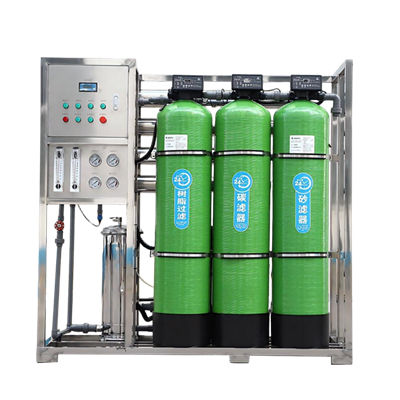
In conclusion, other sewage treatment equipment offers high efficiency in terms of contaminant removal, energy consumption, space utilization, and cost. These systems have proven to be effective in a variety of real – world applications, from small industrial parks to rural communities. While there are challenges to overcome, the future of other sewage treatment equipment looks promising, with continuous technological advancements on the horizon.
Sewage Treatment Plant If you’re interested in exploring the potential of other sewage treatment equipment for your specific needs, I encourage you to reach out for a detailed discussion. We can work together to find the most efficient and cost – effective solution for your sewage treatment requirements. Let’s take a step towards a cleaner and more sustainable environment.
References
- Metcalf & Eddy. (2003). Wastewater Engineering: Treatment and Reuse. McGraw – Hill.
- Tchobanoglous, G., Burton, F. L., & Stensel, H. D. (2003). Wastewater Engineering: Treatment, Disposal, and Reuse. Pearson Education.
- USEPA. (2018). Municipal Wastewater Treatment. United States Environmental Protection Agency.
Shandong Lingke Environmental Technology Co., Ltd.
We’re well-known as one of the leading sewage treatment equipment manufacturers and suppliers in China, featured by quality products and good price. Please rest assured to buy durable sewage treatment equipment for sale here from our factory. Customized orders are welcome.
Address: 100 Meters South of the Intersection of County Road 042 and National Highway 309, Changle County, Weifang City, Shandong Province
E-mail: aileenlin@sdlingkegroup.com
WebSite: https://www.lkecotech.com/
