As a coil spring supplier, I’ve seen firsthand how the surface finish of these springs can make or break their performance. It’s not just about making them look good; it’s about ensuring they last longer, work better, and meet the specific needs of our customers. In this blog, I’ll share my insights on what surface finish means for coil springs, why it matters, and how it can impact different applications. Coil Spring
What’s Surface Finish Anyway?
Let’s start with the basics. Surface finish refers to the condition of the surface of a coil spring after manufacturing. It can include things like roughness, texture, and the presence of any coatings or treatments. A smooth finish might look nice, but it’s more than just aesthetics. It can affect a spring’s durability, corrosion resistance, and how it interacts with other parts in a machine or device.
For example, when we talk about roughness, we’re measuring the tiny peaks and valleys on the spring’s surface. These irregularities might be too small to see with the naked eye, but they can have a big impact on how the spring behaves. A rough surface can cause more friction, which means the spring might wear out faster or generate more heat during operation. On the other hand, a smooth surface can reduce friction and improve the spring’s efficiency.
The Impact on Durability
One of the most important aspects of surface finish is its impact on the durability of a coil spring. Springs are often subjected to repeated stress and strain, and a poor surface finish can make them more prone to fatigue and failure. For instance, if there are sharp edges or scratches on the surface, these can act as stress concentrators. When the spring is loaded and unloaded, cracks can start to form at these points, eventually leading to the spring breaking.
We’ve had customers come to us with issues where their springs were failing prematurely. After a closer look, we found that the surface finish was to blame. The rough surface was causing excessive wear, and small cracks were starting to develop under normal use. By improving the surface finish, we were able to significantly increase the lifespan of the springs and save our customers a lot of money in the long run.
Another factor that affects durability is corrosion. Coil springs are often used in harsh environments, such as in automotive engines or industrial machinery, where they can be exposed to moisture, chemicals, and other corrosive substances. A proper surface finish can provide a protective barrier against corrosion. For example, applying a zinc coating or a powder coating can prevent rust from forming on the spring’s surface. This not only extends the spring’s life but also maintains its performance over time.
How Surface Finish Affects Performance
Surface finish can also have a significant impact on the performance of a coil spring. In applications where precision is key, such as in medical devices or aerospace equipment, the surface finish can affect the spring’s ability to provide accurate and consistent force. A rough or uneven surface can cause variations in the spring’s stiffness, which can lead to inconsistent performance.
For example, consider a fuel injection system in an engine. The coil springs used in this system need to provide a specific force to open and close the fuel injectors at the right time. If the surface finish of the springs is not smooth enough, the springs might not compress and expand uniformly, which can result in improper fuel delivery and reduced engine performance.
In addition, surface finish can affect how the spring interacts with other components in a system. For instance, if a spring is used in a sliding mechanism, a smooth surface finish can reduce friction and allow for smoother movement. This can improve the overall efficiency of the system and reduce wear on both the spring and the adjacent parts.
Different Surface Finishes for Different Applications
There are several different types of surface finishes available for coil springs, and each one has its own advantages and disadvantages. Let’s take a look at some of the most common ones and where they’re best used.
- Plain or Untreated: This is the most basic surface finish. Springs with a plain finish are cost – effective and can be used in applications where corrosion is not a major concern and the environment is relatively clean. For example, they might be used in simple household devices or some light – duty machinery.
- Zinc Plating: Zinc plating is a popular surface finish for coil springs because it provides good corrosion resistance at a relatively low cost. Zinc acts as a sacrificial metal, meaning it corrodes before the steel of the spring does. This makes it suitable for use in outdoor applications or in mildly corrosive environments, such as automotive suspension systems.
- Powder Coating: Powder coating offers excellent corrosion resistance and can also provide a decorative finish. It’s a thick, durable coating that can withstand harsh conditions and is available in a variety of colors. Powder – coated springs are often used in furniture, playground equipment, and some industrial applications where appearance is also important.
- Phosphate Coating: Phosphate coatings are used to improve the adhesion of subsequent coatings, such as paint or oil. They also provide some corrosion resistance and can reduce friction. Springs with a phosphate coating are commonly used in automotive engines and other applications where a lubricant or anti – corrosive agent needs to adhere to the surface.
Making the Right Choice
As a coil spring supplier, one of the things we do is help our customers choose the right surface finish for their specific application. We take into account factors like the environment the spring will be used in, the level of stress and strain it will be subjected to, and any specific performance requirements.
For example, if a customer is looking for a spring to use in a marine environment, we’d recommend a zinc – plated or powder – coated finish to protect against the corrosive effects of saltwater. On the other hand, if the spring is for a high – precision medical device, we might suggest a smooth, polished finish to ensure accurate performance.

We also understand that cost is always a consideration. Sometimes, a more expensive surface finish might offer better performance and durability, but it might not be necessary for every application. That’s why we work closely with our customers to find the best balance between cost and performance.
Time to Talk Business
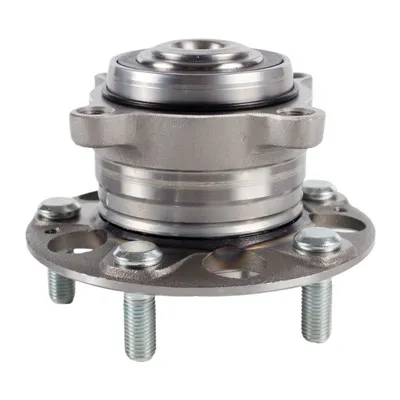
Wheel Hub If you’re in the market for coil springs and are thinking about the impact of surface finish on your application, I’d love to have a chat with you. We’ve got a lot of experience in this field, and we can help you make the best choice for your needs. Whether you need a small batch of custom – made springs or a large – scale production run, we’re here to supply high – quality coil springs with the right surface finish at a competitive price. Don’t hesitate to reach out to us for a consultation and let’s get started on finding the perfect solution for you.
References
- Mechanical Springs Handbook, Second Edition by J. Earl Walker
- Metal Finishing Guidebook and Directory by Products Finishing Magazine
- Spring Design andManufacture by William A. Grossman
Guangzhou Pinxiu Auto Parts Co., Ltd.
As one of the most professional coil spring manufacturers and suppliers in China, we warmly welcome you to buy durable coil spring for sale here from our factory. All customized products are with high quality and competitive price. Contact us for pricelist.
Address:
E-mail: pinxiu@cclparts.com
WebSite: https://www.cclauto-parts.com/
