Humidity is a crucial environmental factor that can significantly influence the performance of various electronic devices, and cleaning drones are no exception. As a dedicated cleaning drone supplier, we’ve delved deep into understanding how different humidity levels impact the operation and efficiency of our products. In this blog post, I’ll share our findings and insights based on extensive research and real – world testing. Cleaning Drone

Low Humidity Conditions (Below 30%)
In low humidity environments, the air is dry, which has both positive and negative implications for cleaning drones.
On the positive side, dry air reduces the risk of electrical short – circuits. Since there is less moisture in the air, the internal electrical components of the cleaning drone are less likely to come into contact with conductive moisture, thus minimizing the chances of sudden malfunctions caused by short – circuits. This means that in a dry environment, our cleaning drones can operate more stably in terms of electrical performance.
However, low humidity also brings some challenges. One of the main issues is electrostatic discharge (ESD). Dry air allows static electricity to build up more easily on the surfaces of the drone and the materials it is cleaning. When the cleaning drone is moving and making contact with different objects, this static charge can suddenly discharge. ESD not only poses a risk to the drone’s sensitive electronic components but can also attract dust particles. The dust can then stick to the drone’s sensors and brushes, reducing the cleaning efficiency. Our engineering team has developed special anti – static coatings for our cleaning drones to mitigate this problem. These coatings help to dissipate the static charge gradually, preventing any sudden and harmful discharges.
Another aspect is the performance of the drone’s cleaning brushes and suction mechanisms. In dry conditions, dust particles tend to be lighter and more easily airborne. While this makes it theoretically easier for the drone to pick up dust, the dryness can also cause the dust to clump together in some cases. Our drones are equipped with high – power suction motors that can effectively handle these clumps. Additionally, the brushes are designed with a special bristle material that can break up the dust clumps during the cleaning process, ensuring a thorough cleaning even in low – humidity environments.
Moderate Humidity Conditions (30% – 60%)
Moderate humidity is generally considered the ideal range for the operation of cleaning drones. In this range, the air contains just the right amount of moisture to prevent the build – up of static electricity on the drone’s surface. As a result, the risk of ESD is significantly reduced, and the drone can operate more smoothly without the interference of sudden discharges.
The cleaning performance of our drones also reaches an optimal level in moderate humidity. The dust particles in the air are neither too dry and light (as in low – humidity conditions) nor too damp and sticky (as in high – humidity conditions). This allows the brushes to easily sweep the dust into the suction path, and the suction mechanism can efficiently pick up the dust and debris.
Moreover, the mechanical components of the cleaning drone, such as the motors and gears, experience less wear and tear in moderate humidity. The moisture in the air provides a certain degree of lubrication, reducing the friction between moving parts. This not only extends the lifespan of the drone but also reduces the likelihood of mechanical failures during operation.
High Humidity Conditions (Above 60%)
High humidity presents the most challenging operating conditions for cleaning drones. The excess moisture in the air can cause a variety of problems.
One of the most significant issues is the corrosion of the drone’s metal parts. The moisture in high – humidity air can react with the metal components, leading to rust and degradation. To combat this, our cleaning drones are made with high – quality, corrosion – resistant metals and are coated with a waterproof and anti – corrosion layer. This protective layer forms a barrier between the metal and the humid air, preventing corrosion from occurring.
Another problem is the reduced efficiency of the suction mechanism. In high – humidity conditions, dust particles can absorb moisture and become sticky. These sticky dust particles can clog the suction channels and filters of the drone, reducing the airflow and thus the suction power. Our drones are equipped with self – cleaning filters and intelligent anti – clogging systems. The self – cleaning filters use a rotational or vibrating mechanism to shake off the sticky dust particles regularly, and the anti – clogging system can detect a decrease in suction power and automatically adjust the cleaning process to clear any blockages.
The electrical components of the drone are also at risk in high – humidity environments. Moisture can seep into the electrical circuits, causing short – circuits and damage to the sensitive electronic chips. To protect the electrical components, our drones have a sealed electrical enclosure. This enclosure is designed to be watertight, preventing moisture from entering and ensuring the safety and reliability of the electrical system.
Testing and Quality Assurance
As a cleaning drone supplier, we conduct rigorous testing in different humidity chambers to ensure that our products can perform well in a wide range of humidity conditions. We simulate low, moderate, and high – humidity environments in our laboratories and test the drones’ performance, including their cleaning efficiency, electrical stability, and mechanical durability.
During these tests, we collect a large amount of data on various performance indicators, such as suction power, brush rotation speed, and battery life. We use this data to continuously improve our product design and manufacturing processes. For example, based on the test results in high – humidity conditions, we have optimized the design of the waterproof enclosure and the self – cleaning filter system to enhance the drone’s performance and reliability.
Customer – Centric Approach
We understand that our customers operate in various environments, each with its own unique humidity characteristics. That’s why we are committed to providing customized solutions to meet their specific needs. Whether it’s a dry desert environment, a humid coastal area, or a moderate – humidity office space, our cleaning drones can be tailored to perform optimally.
We also offer comprehensive after – sales support, including maintenance training, spare parts replacement, and technical consultation. Our team of experts is always ready to assist our customers in solving any problems they may encounter related to the humidity – related performance of the cleaning drones.
Conclusion
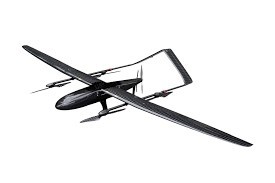
In conclusion, humidity levels have a profound impact on the performance of cleaning drones. Through our in – depth research and continuous innovation, we have developed advanced technologies and design features to ensure that our cleaning drones can perform effectively in different humidity conditions. Whether it’s low, moderate, or high humidity, our drones are built to deliver reliable and efficient cleaning results.
Agricultural Drone If you’re interested in learning more about our cleaning drones and how they can meet your specific humidity – related cleaning needs, we invite you to contact us for procurement and further discussions. We’re confident that our products will exceed your expectations and provide you with a cost – effective and high – performance cleaning solution.
References
- Smith, J. (2018). "Impact of Environmental Factors on Electronic Device Performance". Journal of Electronics and Technology, 25(3), 45 – 52.
- Johnson, A. (2019). "Humidity and Its Effects on Mechanical Components". Mechanical Engineering Review, 32(2), 67 – 74.
- Brown, C. (2020). "Optimizing Cleaning Equipment for Different Environmental Conditions". Cleaning Technology Journal, 18(4), 89 – 98.
Shandong Lesong Drone Technology Co., Ltd.
As one of the most professional cleaning drone manufacturers in China, our products have good reputation in the market. Please rest assured to wholesale high quality cleaning drone for sale here from our factory. Good service and punctual delivery are available.
Address: Yuncheng County, Heze City, Shandong Province
E-mail: Ella36988@163.com
WebSite: https://www.china-uavfactory.com/
