A damaged LNG bunker tank represents a significant concern for the maritime and energy industries. As a trusted LNG bunker tank supplier, I’ve witnessed firsthand the importance of having a well – defined repair procedure. In this blog, I’ll be sharing in detail the repair procedures for a damaged LNG bunker tank based on industry standards and best practices. LNG Bunker Tank
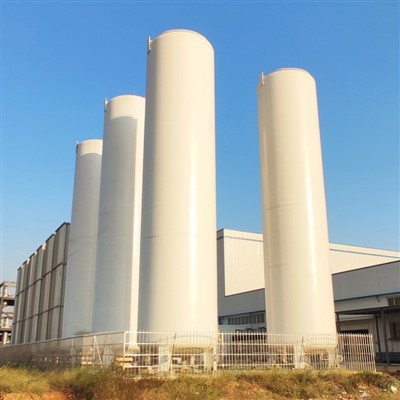
Initial Assessment and Safety Precautions
The first step in the repair process is a comprehensive assessment of the damage. This typically involves using a combination of visual inspections and non – destructive testing (NDT) methods. Before any inspection, it is crucial to ensure the safety of the personnel involved. The tank must be isolated from the LNG supply system to prevent potential leaks during the inspection process. A team of experienced technicians with specialized training in handling LNG equipment should perform the assessment.
Visual inspections look for obvious signs of damage such as cracks, dents, or corrosion on the tank’s exterior and interior surfaces. For areas that are not easily accessible, remote – operated vehicles (ROVs) or endoscopes can be used. NDT methods, such as ultrasonic testing (UT), magnetic particle testing (MT), and radiographic testing (RT), are then employed to detect hidden flaws. UT is particularly effective for detecting internal cracks and determining the thickness of the tank walls. MT can identify surface and near – surface defects, while RT provides a detailed internal image of the tank structure.
Once the assessment is complete, a detailed report is generated. This report includes the location, size, and type of damage, as well as potential causes. The report serves as a foundation for the subsequent repair decisions.
Preparing for Repair
Preparing the damaged LNG bunker tank for repair is a meticulous process. The tank must be emptied of all LNG and any remaining vapor. This is achieved through a series of purging and inerting steps. Purging involves using an inert gas, such as nitrogen, to displace the LNG vapor from the tank. The process is carefully controlled to ensure that all traces of LNG are removed, reducing the risk of explosion or fire during the repair.
After purging, the tank is inerted. Inerting involves filling the tank with an inert gas to maintain an oxygen – deficient atmosphere. This further reduces the risk of ignition of any flammable gases that may still be present. The oxygen level in the tank is continuously monitored during the inerting process to ensure it remains within safe limits.
In addition to gas removal, the area around the damaged site must be properly prepared. This may involve cleaning the area to remove any dirt, debris, or corrosion that could interfere with the repair process. If the damage is extensive, temporary support structures may need to be installed to prevent further deformation of the tank during repair.
Repair Techniques
The choice of repair technique depends on the type and severity of the damage. For minor damage, such as small surface cracks or dents, patching may be a suitable solution. Patching involves applying a repair patch to the damaged area. The patch must be made of a material that is compatible with the tank’s material and can withstand the operating conditions of the LNG bunker tank. The patch is typically welded or bonded to the tank surface using appropriate techniques.
In cases of more severe damage, such as large cracks or significant corrosion, welding may be required. However, welding LNG bunker tanks is a highly specialized process. The welding must be performed by certified welders who have extensive experience working with cryogenic materials. Pre – heating and post – heating treatments are often necessary to prevent cracking and ensure the integrity of the weld. The welding process must be carefully monitored to maintain the correct temperature, welding speed, and other parameters.
If the damage is so severe that the tank’s structural integrity is compromised, replacement of damaged sections may be the only option. This involves cutting out the damaged portion of the tank and welding in a new section. The new section must be fabricated to exact specifications to ensure a proper fit and compatibility with the existing tank structure.
Quality Control and Testing
After the repair is completed, rigorous quality control and testing procedures are essential to ensure the tank’s safety and reliability. Non – destructive testing methods, similar to those used during the initial assessment, are repeated to verify the quality of the repair. UT, MT, and RT are used to check for any defects in the repaired area.
In addition to NDT, pressure testing is also performed. The tank is filled with a test fluid, usually water, and pressurized to a specified level. The pressure is maintained for a certain period, and the tank is carefully monitored for any signs of leakage or deformation. If any issues are detected during the testing process, the repair must be re – evaluated and corrected.
Post – Repair Maintenance
Once the tank has passed all the tests, it is ready to be returned to service. However, post – repair maintenance is crucial to ensure the long – term performance of the tank. This includes regular inspections, corrosion protection, and monitoring of the tank’s operating conditions. An inspection schedule should be established based on industry standards and the tank’s usage history.
Corrosion protection measures, such as applying anti – corrosion coatings, should be regularly maintained. Monitoring the tank’s temperature, pressure, and other operating parameters can help detect any potential issues early, allowing for timely intervention.
Conclusion

Repairing a damaged LNG bunker tank is a complex but necessary process. It requires a combination of technical expertise, strict safety procedures, and quality control measures. As a supplier, I understand the importance of providing not only high – quality LNG bunker tanks but also reliable support in case of damage. Our team of experts is well – versed in the repair procedures outlined above and can provide comprehensive solutions for your damaged LNG bunker tanks.
LNG Fueling Station If you are in need of an LNG bunker tank, whether it is a new installation, repair, or replacement, we are here to assist you. Our commitment to quality and safety makes us a trusted partner in the industry. We encourage you to reach out to us to discuss your specific requirements and explore how we can help you meet your LNG bunker tank needs.
References
- International Maritime Organization (IMO). “Safety requirements for LNG fuel tanks.” IMO Safety Code for Ships using Gases or other Low – flashpoint Fuels (IGF Code).
- American Petroleum Institute (API). API 620 – Design and Construction of Large, Welded, Low – Pressure Storage Tanks.
- American Society of Mechanical Engineers (ASME). ASME Boiler and Pressure Vessel Code, Section VIII – Rules for Construction of Pressure Vessels.
Tianjin Baiyan Technology Co., Ltd.
With abundant experience, we are one of the most professional lng bunker tank manufacturers and suppliers in China. We warmly welcome you to buy customized lng bunker tank made in China here from our factory. If you have any enquiry about pricelist and quotation, please feel free to email us.
Address: No. 36, Jixian Road, Shuangqiaohe Development Zone, Jinnan District, Tianjin, China
E-mail: sales@tjbaiyan.com
WebSite: https://www.baiyan-tech.com/
