What is the lifespan of an Air Separation Unit? Air Separation Unit
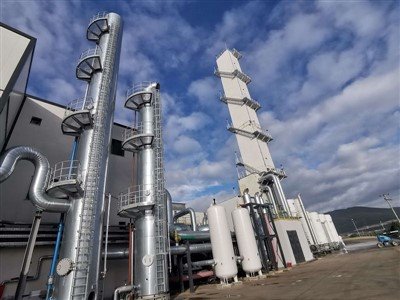
Hey there! I’m an air separation unit (ASU) supplier, and I often get asked about the lifespan of these nifty machines. It’s a crucial question, especially if you’re planning to invest in one for your industrial needs. So, let’s dive right in and explore what affects the lifespan of an ASU and what you can expect in terms of longevity.
First off, what exactly is an air separation unit? Well, it’s a piece of equipment that separates air into its primary components, mainly nitrogen, oxygen, and argon. Industries like metallurgy, healthcare, chemical manufacturing, and food processing rely heavily on ASUs to get the pure gases they need for various processes.
Now, onto the lifespan. On average, a well – maintained air separation unit can last anywhere from 20 to 30 years. Yeah, that’s a pretty long time! But like any complex piece of machinery, many factors can influence how long it actually serves you.
One of the biggest factors is the quality of the ASU itself when it’s first built. When you’re in the market for an ASU, you want to go with a supplier who uses high – quality materials and has a solid reputation for building robust and reliable units. We use top – notch stainless steel for the heat exchangers, which are a key part of the ASU. Stainless steel is resistant to corrosion and wear, which helps the heat exchangers last longer. And our compressors are from leading manufacturers known for their durability and efficiency.
The operating conditions also play a huge role. If the ASU is installed in a harsh environment, like a place with high humidity, extreme temperatures, or a lot of dust and pollutants in the air, it’s going to face more wear and tear. For example, in a coastal area where the air is salty, the corrosion risk is much higher. In these cases, the lifespan of the unit could be reduced if proper precautions aren’t taken. We always recommend installing corrosion – resistant coatings on certain parts of the ASU and using air filtration systems to keep the internal components clean.
Maintenance is another super important aspect. Regular maintenance can significantly extend the lifespan of an ASU. This includes things like checking and replacing filters, lubricating moving parts, and inspecting for leaks. You should have a maintenance schedule in place, and it’s a good idea to have a team of trained technicians who can handle the upkeep. A simple thing like changing the oil in the compressors at the recommended intervals can prevent major breakdowns and keep the unit running smoothly for years.
The way the ASU is operated also affects its lifespan. Overloading the unit can put excessive stress on the components. If you’re constantly running the ASU at or near its maximum capacity, it’s going to wear out faster than if you operate it at a more moderate level. It’s kind of like a car; if you’re always flooring it, the engine and other parts are going to take a beating. So, it’s important to size the ASU correctly for your needs in the first place and not push it beyond its limits.
Let’s talk about the different stages of an ASU’s life. In the first few years, it’s like a new car—it’s shiny and runs great. The components are all brand – new, and there’s typically very little chance of major issues. But as the years go by, it’s normal to start seeing some signs of wear. Small things like minor leaks might start to pop up, or the efficiency of the separation process might decrease a bit. This is where regular maintenance becomes even more crucial.
Around the 10 – 15 – year mark, you might need to start thinking about some major component replacements. For example, the compressors might need an overhaul, or the heat exchangers could start to show signs of degradation. At this point, it’s important to work with a supplier who can provide high – quality replacement parts and has the expertise to do the replacement properly.
As the ASU approaches 20 – 30 years on the job, it might still be running, but it’s going to need more and more attention. You’ll have to weigh the cost of continued maintenance against the cost of a new unit. Sometimes, investing in a new ASU makes more sense in the long run, especially if your production needs have changed or if new, more efficient technologies are available.
We’ve been in the ASU business for a long time, and we’ve seen firsthand how different management and care can affect the lifespan of these units. Some of our clients have ASUs that are pushing 30 years and still going strong, thanks to their strict maintenance routines and careful operation. On the other hand, we’ve also seen units that lasted only 10 or 15 years because they were neglected or installed in a bad environment.
If you’re thinking about purchasing an air separation unit, we’d love to have a chat with you. Our team can help you figure out the right size and type of ASU for your specific needs, and we’ll provide all the information you need about maintenance and expected lifespan. We’re here to be your partner every step of the way, from installation to end – of – life considerations.
So, if you’re ready to take the plunge and get an ASU that will serve you well for years to come, don’t hesitate to reach out and start a conversation. We’re confident that we can offer you a high – quality unit at a great price and provide the support you need to keep it running smoothly.
Air Separation Unit References
- "Industrial Gas Handbook: Gas Separation and Purification" by Thomas M. Reed. This book provides in – depth knowledge about air separation processes and the components used in ASUs.
- "Handbook of Compressed Air Systems" which offers valuable insights into the operating and maintenance of compressors, a vital part of an ASU.
Hanturbo Technology (Zhejiang) Co., Ltd.
Hanturbo Technology (Zhejiang) Co., Ltd. is one of the most professional air separation unit manufacturers and suppliers in China, also supports custom service. We warmly welcome you to buy discount air separation unit made in China here and get quotation from our factory. For price consultation, contact us.
Address: No.118, Wangluo Road, Deqing County, Huzhou City, Zhejiang Province, China.
E-mail: andyxu@hanturbo.com.cn
WebSite: https://www.hanturbo-gas.com/
