Hey there! I’m a supplier of Aramid Conveyor Belts, and I often get asked about how to adjust the tension of these belts. It’s a crucial aspect of maintaining the efficiency and longevity of your conveyor system, so I thought I’d share some tips and tricks based on my experience in the industry. Aramid Conveyor Belt
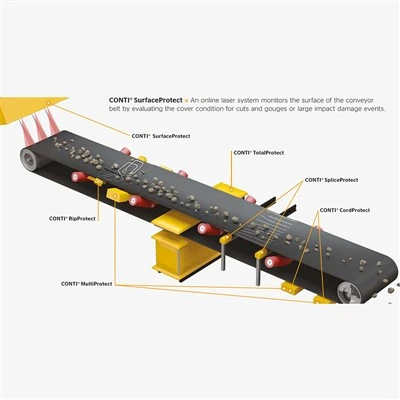
First off, let’s talk about why belt tension is so important. An aramid conveyor belt that’s too loose can slip on the pulleys, causing a loss of power and potentially damaging the belt itself. On the other hand, if the belt is too tight, it can put excessive stress on the bearings, motors, and other components of the conveyor, leading to premature wear and tear. So, finding the right tension is key to keeping your conveyor running smoothly.
Now, how do you know if your aramid conveyor belt needs tension adjustment? There are a few signs to look out for. If you notice that the belt is slipping, making a squealing noise, or if the material being conveyed is not moving at a consistent speed, these could all be indications that the tension needs to be checked. Also, if you see any signs of uneven wear on the belt, such as fraying or cracking, it might be due to incorrect tension.
So, let’s get into the nitty – gritty of how to adjust the tension.
Step 1: Prepare Your Tools
Before you start adjusting the tension, you’ll need to gather a few tools. You’ll typically need a wrench or a socket set, depending on the type of fasteners used on your conveyor’s tensioning mechanism. A tension gauge can also be really helpful, as it allows you to measure the tension accurately. If you don’t have a tension gauge, you can still get a good estimate by using the "finger test" method, but we’ll talk more about that later.
Step 2: Locate the Tensioning Mechanism
The tensioning mechanism on an aramid conveyor belt system can vary depending on the design of the conveyor. Some conveyors use a simple screw – type tensioner, while others may have more complex hydraulic or spring – loaded systems. In most cases, you’ll find the tensioning mechanism at the end of the conveyor, near the tail pulley. Look for the bolts or screws that allow you to move the tail pulley back and forth. This movement is what adjusts the tension of the belt.
Step 3: Loosen the Belt Slightly
Before you start making any major adjustments, it’s a good idea to loosen the belt slightly. This will make it easier to move the tail pulley and prevent any damage to the belt or the conveyor components. Use your wrench or socket set to loosen the fasteners on the tensioning mechanism just enough to allow the tail pulley to move freely.
Step 4: Measure the Belt Tension
If you have a tension gauge, this is the time to use it. Follow the manufacturer’s instructions to attach the gauge to the belt and take a measurement. The ideal tension for an aramid conveyor belt can vary depending on factors such as the type of material being conveyed, the speed of the conveyor, and the length of the belt. As a general rule of thumb, the tension should be high enough to prevent slipping but not so high that it causes excessive stress on the system.
If you don’t have a tension gauge, you can use the finger test method. Press down on the belt at the mid – point between two pulleys. The belt should deflect about 1/64 to 1/32 of an inch per inch of belt span. For example, if the distance between two pulleys is 32 inches, the belt should deflect about 1/2 to 1 inch when you press on it.
Step 5: Adjust the Tension
Based on your measurement, it’s time to adjust the tension. If the belt is too loose, use your wrench or socket set to tighten the fasteners on the tensioning mechanism, moving the tail pulley away from the head pulley. This will increase the tension on the belt. Make small adjustments and re – measure the tension after each adjustment until you reach the desired level.
If the belt is too tight, loosen the fasteners on the tensioning mechanism and move the tail pulley towards the head pulley. Again, make small adjustments and re – measure regularly.
Step 6: Run a Test
Once you’ve adjusted the tension, it’s important to run a test. Start the conveyor and observe how the belt behaves. The material being conveyed should move smoothly and at a consistent speed. Check for any signs of slipping or unusual noise. If everything looks good, your tension adjustment was successful. If not, go back and make further adjustments as needed.
Step 7: Regular Maintenance
Adjusting the tension of your aramid conveyor belt isn’t a one – time thing. It’s important to make tension checks part of your regular maintenance routine. Over time, the belt may stretch or wear, causing the tension to change. I recommend checking the tension at least once a month, more frequently if you’re using the conveyor in a high – demand environment.
In addition to tension checks, you should also inspect the belt for any signs of damage. Look for cuts, tears, or uneven wear. If you notice any issues, it’s important to address them immediately to prevent further damage to the belt and the conveyor system.
Tips and Tricks
- Don’t over – tighten the belt. It might seem like a good idea to make the belt as tight as possible to prevent slipping, but this can actually cause more problems in the long run. Excessive tension can lead to premature wear on the belt and other components of the conveyor.
- Keep the pulleys clean. Dirt and debris on the pulleys can cause the belt to slip, even if the tension is correct. Regularly clean the pulleys to ensure smooth operation.
- Use the right lubrication. Some aramid conveyor belts may require lubrication to reduce friction and wear. Make sure to use the lubricant recommended by the belt manufacturer.
Well, there you have it! That’s how you adjust the tension of an aramid conveyor belt. Remember, if you have any questions or if you’re in the market for a new aramid conveyor belt, don’t hesitate to reach out. We’re here to help you keep your conveyor running at its best. Whether you need advice on belt selection, installation, or maintenance, we’ve got the expertise to assist you. So, if you’re interested in purchasing an aramid conveyor belt for your business, drop us a line for a purchase consultation.
Low Rolling Resistant Conveyor Belt References
- "Conveyor Belt Handbook" by a well – known industry expert.
- Manufacturer’s manuals of various aramid conveyor belt models.
Alumina Technology (Qingdao) New Materials Co., Ltd.
As one of the most professional aramid conveyor belt manufacturers and suppliers in China, we also support customized service. With abundant experience, we warmly welcome you to buy aramid conveyor belt for sale here and get quotation from our factory. For price consultation, contact us.
Address: No.448, Jiangshan South Road, Huangdao District, Qingdao City, Shandong Province
E-mail: Gloria.zhang@contitech.cn
WebSite: https://www.altechconveyorbelt.com/
