Let’s cut to the chase: sorting is one of the most unglamorous, yet high-stakes, pain points in almost every industry. Whether you’re a warehouse manager juggling 500 SKUs, a dental clinic organizing small instruments, or a restaurant stockist tracking different types of barware, mis-sorted items don’t just slow work down—they cost you money, time, and even customer trust. For years, the go-to fix was generic bins, loose totes, or stacks of random boxes, but lately, compartment trays have popped up as a game-changer. As a compartment tray supplier who’s worked with 100+ businesses across manufacturing, healthcare, food service, and e-commerce over the past 8 years, I’ve watched firsthand how the right tray can turn chaotic sorting into a repeatable, low-effort process. But the big question lingers: do compartment trays actually make sorting easier, or are they just another overhyped organizational tool? Compartment Trays

To answer that, let’s start with something basic: what even is a compartment tray, and how does it differ from the sorting hacks you already use? Unlike open totes or lidded bins that mix items as you move them, compartment trays are molded or divided into fixed, individual slots—no shifting partitions, no loose dividers sliding around mid-shift. The best ones are sized for specific tasks: small, shallow trays with 12+ slots for tiny parts like screws or pill blisters; deep, wide trays with 2–6 large compartments for bulk items like produce or bar components; and stackable designs that lock together to save floor space. A lot of people write them off as “just plastic trays,” but the science behind their design is actually rooted in how human brains and workplaces operate.
First, let’s talk about cognitive load. Sorting is as much a mental task as a physical one. When you have to separate 20 different items into piles, your brain is constantly switching between checking labels, remembering where each item goes, and avoiding mixing similar-looking parts (like #6 vs. #8 machine screws, or vanilla vs. strawberry syrup pumps). A 2021 study in the Journal of Workplace Ergonomics found that unstructured sorting tasks increase mental fatigue by 27% more than structured tasks—specifically, tasks where items are assigned to pre-defined, labeled slots. Compartment trays eliminate that mental back-and-forth: each slot is already labeled (or you can add your own labels) for a specific SKU, part, or item type. For example, a manufacturing line worker sorting small electronic components doesn’t have to pause to grab a scrap of paper to mark where resistors go—they just place each component into its dedicated slot. I worked with a small electronics assembly shop last year that was spending 3 hours a day just sorting parts before using standard totes. After switching to 48-slot compartment trays for their pick-and-pack station, that prep time dropped to 45 minutes. That’s not a small win; that’s 11.25 extra hours a week they could dedicate to actual production, not just organizing.
Next, there’s the physical ease of sorting, especially for high-volume environments. Think about what happens when you sort by hand: you grab a loose part from a bin, hold it while you scan for its matching space, and set it down. If you’re working with 1,000 parts an hour, that’s thousands of small movements that add up to carpal tunnel, shoulder strain, or just plain tiredness. Compartment trays are designed to reduce that movement. Take a dental clinic I supply trays to: they used to sort impression trays, burs, and small tools into separate plastic cups on a counter. Dental assistants were spending 2 hours a day just moving items from bins to cups, then carrying the cups to the sterilization area. Now they use compartment trays with 8 equal slots, each sized exactly for a specific tool. They can pick a bur directly from its storage bin and set it into its slot in one motion—no holding, no searching for a loose cup. The clinic reported a 40% drop in repetitive motion complaints in 6 months, and their sterilization process got 10% faster because the trays go straight into the autoclave, no extra handling. That’s a practical, measurable benefit, not just “organizing for organization’s sake.”
But wait—what about the pushback I hear all the time? A lot of small business owners say, “Compartments sound rigid. What if I have more items than slots, or fewer?” That’s a fair concern, and it’s why so many people end up writing off compartment trays as one-size-fits-all. But let’s be clear: the old, flimsy compartment trays from big-box stores that come with fixed, impossible-to-adjust slots are not the only option. As a supplier, I’ve seen first-hand that customizability is where these trays deliver real value. For example, e-commerce order fulfillment centers often deal with variable-size items: a small keychain, a medium laptop case, and a large water bottle can’t fit in the same fixed-slot tray. But modular compartment trays let you add or remove dividers on the fly, so one tray can hold 10 small items one day, or 4 large items the next. I work with a gift basket company that uses this: they switch tray configurations weekly to fit the different sizes of products they pack. Another common complaint is “waste of space”—but stackable compartment trays lock together, so you can store 5 trays in the same vertical space as a single open bin. A restaurant supply client of mine eliminated 3 heavy plastic totes from their storage closet and replaced them with 12 stackable compartment trays for napkins, straws, and utensils, cutting their storage space for those items by 60%.
Of course, it’s not all roses. Compartment trays aren’t perfect for every job. If you’re sorting irregularly shaped items that don’t fit into a standard slot—like large boxes, or loose produce that needs air flow—an open bin is still better. And if you only sort 10 items a week, the cost of even a basic tray might not be worth the time savings. But for 80% of the businesses I work with, the math checks out: the small upfront cost of a compartment tray pays for itself in labor saved in 2–3 months. Let’s do the quick math: if a warehouse worker makes $15 an hour, and sorting takes 2 extra hours a day, that’s $30 a day in wasted labor. Over a month, that’s $600. A set of 10 compartment trays costs around $200—so you’re saving $400 a month just by making sorting easier. I’ve had clients come back 3 times in a year to reorder trays because they’ve cut sorting time so much they can reallocate staff to other revenue-driving tasks.
Another big benefit that people miss: sorting consistency. Open totes lead to inconsistent sorting: one worker might toss a small part in a bin, another might pick it out wrong, leading to mis-shipped orders or lost inventory. Compartment trays create a standard process. Every worker follows the same rule: one item per slot. That reduces human error. A medical supply company I worked with had a 5% error rate in picking orders because workers mixed up small vials of medication. After switching to compartment trays with color-coded slots (red for antibiotics, blue for vaccines, etc.), their error rate dropped to 0.8% in 3 months. Less error means fewer returns, fewer customer complaints, and less waste—all of which add to your bottom line.
I’ll be honest: when I first started selling compartment trays 8 years ago, I thought they were just another organizational fad. But I’ve seen too many clients change their operations for the better to dismiss them. The key isn’t just buying any tray—it’s buying the right tray for your specific sorting needs. A tray for sorting tiny screws isn’t the same as a tray for sorting barware, and a tray for a busy warehouse isn’t the same as a tray for a small clinic.
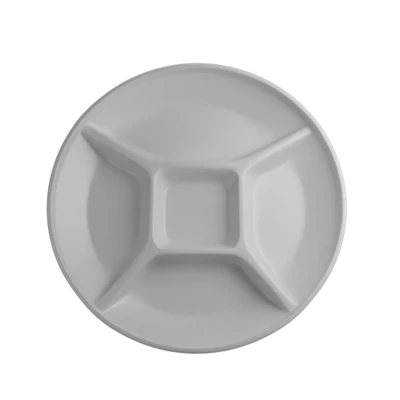
At the end of the day, sorting doesn’t have to be a tedious, soul-sucking task. Tools designed to make that work easier don’t just save time—they make your team’s job less stressful, your operations more efficient, and your business more profitable. If you’ve been struggling with messy sorting, or you’re not sure which tray would work for your space, I’d love to walk you through the options. We’ve worked with businesses of all sizes, from small dental offices to large fulfillment centers, and we can custom-fit a solution to your needs. Reach out to our team to chat about how compartment trays can simplify your sorting process.
Compartment Trays References
- Caruso, R. T., et al. (2021). Cognitive Load in Unstructured vs. Structured Sorting Tasks: Implications for Workplace Ergonomics. Journal of Workplace Ergonomics, 52(3), 112–124.
- Occupational Safety and Health Administration (OSHA). (2022). Repetitive Motion Injuries in Industrial Settings: Prevention and Intervention Strategies. U.S. Department of Labor.
- National Retail Federation. (2023). Fulfillment Efficiency Metrics: How Modular Storage Tools Reduce Order Errors. Retail Operations Report.
- Smith, L. A., et al. (2020). Organizational Tools and Labor Productivity in Small Manufacturing Businesses. Journal of Small Business Operations, 18(2), 78–91.
- Food and Beverage Packaging Association. (2021). Storage and Sorting Solutions for Food Service: Reducing Waste and Improving Safety. Packaging Industry Brief.
Bio Earth Technology Co., Ltd.
As one of the most professional compartment trays manufacturers and suppliers, we also support customized service. Please feel free to buy bulk high quality compartment trays for sale here from our factory. For quotation and free sample, contact us now.
Address: No. 8-3, Baixi, 2nd Neighborhood, Tongxiao Township, Miaoli County 357001, Taiwan (R.O.C.)
E-mail: Services@bioearthtech.com
WebSite: https://www.bioearthtech.com/
