Hey everyone, Portable Lathe

If you’re someone who works in on-site machining—whether it’s repairing industrial shafts, fixing flanges on heavy equipment, or getting a portable lathe set up for emergency job site repairs—you’ve probably heard the term “carriage travel” thrown around, but maybe you’ve wondered what it actually means beyond just a random spec number. As a portable lathe supplier who works with machinists, plant maintenance teams, and field technicians every single day, I get questions about this all the time. A lot of folks see “carriage travel” in a product description and just scroll past, assuming it’s just another boring technical detail… but trust me, it’s way more important than that. It can make or break whether your portable lathe job runs smoothly, or turns into a frustrating mess halfway through.
Let’s start with the basics, no jargon promise. A portable lathe’s carriage is that movable part that holds the cutting tool—you know, the thing that slides along the lathe’s bed to carve, turn, or shape metal. Carriage travel is just how far that carriage can slide along the lathe’s bed, measured in inches or millimeters. It’s not a random number; it’s the maximum distance your cutting tool can move parallel to the workpiece’s axis. If you’re turning a shaft or facing a flange, that travel determines just how much of the part you can process in one pass, or how long a workpiece you can work on without shifting the lathe (which is a total headache on a tight job site).
Wait, let’s make that concrete. Say you’re repairing a 6-inch diameter shaft that’s 40 inches long. If your portable lathe has a carriage travel of 30 inches, you can’t turn the entire shaft in one go. You’d have to move the lathe’s headstock or tailstock halfway through the job, which takes time, adds the risk of misaligning the cut, and slows you down on a deadline. But if the carriage travel is 40 inches? Bam, you can do the whole shaft in one continuous pass, perfect finish, no extra steps. That’s the kind of small detail that saves you hours (and sometimes tens of thousands of dollars) on a job.
Now, here’s the thing I wish more people understood: carriage travel isn’t one-size-fits-all. It depends entirely on what you’re using the lathe for. A lot of our customers come in thinking “bigger travel is better”… and while that’s true for large shafts, if you’re only working on small valve stems or small engine components, a portable lathe with too much carriage travel is overkill. It’s heavier, bulkier, more expensive to rent or buy, and harder to haul around to job sites. I’ll be honest—we’ve had a customer who bought a 48-inch travel lathe to work on small pump shafts, and he told me later he regretted it: it took two guys to carry, and he wasted half an hour every morning setting it up when a 18-inch travel model would’ve done the job faster and cheaper. That’s why we always ask new customers what kind of work they do first before we even talk specs.
Let’s break down how carriage travel interacts with other portable lathe specs, too, because it doesn’t exist in a vacuum. The lathe’s maximum swing (that’s the largest diameter part you can fit over the bed) is linked to travel, but they’re separate. You can have a lathe that swings 12 inches (so it can handle a 12-inch diameter part) but only 20 inches of carriage travel, which is great for short flanges, but not for long shafts. Conversely, a lathe with 40 inches of travel might only swing 8 inches, which is perfect for long, thin pipe threads but not for large-diameter bushings. The sweet spot is matching travel to your most common workpiece length, but also accounting for extra space if you need to do multiple passes or finish a part.
Another common misconception: carriage travel is just the length of the lathe’s bed. For most portable lathes, it is—since they’re designed to clamp onto the workpiece, not sit on a fixed workshop floor, the bed length directly limits how far the carriage can slide. But a few modern portable lathes have adjustable carriages or extension rails, which add to the effective travel. I always tell customers to check if those extensions are included, or if they’re an extra cost. Last year, a construction manager hired us because his cheap off-brand portable lathe only had 24 inches of travel, and he needed to turn a 36-inch crane boom. The manufacturer wanted $1,200 for an extension, but we sold him a model that came with a 36-inch travel rail included, and he saved money plus got it done in a day instead of two. That’s the kind of value we focus on as a supplier, not just slapping a high number on a spec sheet.
Let’s talk real-world use cases, because that’s what matters to you. For maintenance work in mills and refineries: most of the time, you’re repairing shafts, couplings, or flanges that are 12 to 36 inches long. A carriage travel of 30 to 36 inches is the sweet spot here. It’s long enough to handle most standard parts, and the lathe itself is compact enough to fit through plant doors and set up around existing equipment. For pipeline work? You’re usually facing pipe ends or threading pipes that can be 10 to 40 feet long, but you only work on a small section at a time. Wait, but for that, you don’t need 40 feet of carriage travel—you can get away with a 12 to 18-inch travel, because you’re just facing the end of the pipe. That’s why pipeline techs often prefer smaller, more portable models with less travel; they’re faster to set up in tight trench spaces. And for large marine or wind turbine repairs? Those might need a 48 to 60-inch travel, because you’re working on 20+ foot propeller shafts or turbine rotors. That’s where the bigger travel models shine—no need to split the job into multiple steps, which is a huge deal when a turbine is down and costing the plant $100k a day.
Now, why does this matter for you, the person buying or using a portable lathe? Let’s do the math on downtime, because downtime is money. Suppose you’re on a job site, and your carriage run falls 6 inches short of the workpiece. That means you have to move the entire lathe, re-clamp it, realign the center lines, and then do a test cut. On a big shaft, that can take 2 to 3 extra hours. If your rate is $150 an hour, that’s $300 lost right there. But if you picked a lathe with enough carriage travel, you skip that step, finish the job on time, and move to the next one. I’ve seen jobs where a wrong carriage spec cost a small shop a whole day of work, and missed a deadline for a big client. That’s not a mistake anyone wants to make.
Also, as someone who works with portable lathes every day, I can tell you that carriage travel affects how precise your cuts are, too. If you have to reposition the lathe mid-job, there’s always a tiny risk of misalignment—even if you’re a seasoned technician. That leads to uneven cuts, which means more finishing work, or even having to scrap the part entirely. For critical applications like nuclear plant components or food processing equipment, precision is non-negotiable, so having enough carriage travel to do the job in one continuous pass is non-negotiable too.
Wait, let’s address a question we get all the time: can I extend carriage travel myself? Some guys try to rig up wooden extensions or extra rails on job sites, but that’s a big no. Portable lathes are precision tools—any uneven extension can throw off the alignment of the carriage, leading to bad cuts or even damaging the workpiece. We had a guy a few months back who tried to add a 12-inch extension to his cheap lathe for a shaft repair, and the cut was off by 0.02 inches, which is enough to cause vibration in the motor. He had to re-machine the whole shaft, which cost him double the time and materials. So skip the DIY extensions—just pick a lathe with enough travel from the start.
As a portable lathe supplier, we don’t just sell you a machine and walk away. We work with you to figure out the right carriage travel (and all other specs) based on your specific work. We’ve helped everyone from a one-person machinist with a small garage to a large oil company with 20+ service trucks, find the perfect fit. We don’t push the biggest, most expensive model just to make a sale—we push the one that will save you time, money, and hassle in the long run. That’s what sets us apart, I think. A lot of suppliers just talk specs, but we talk real use.
So, to wrap this up, carriage travel isn’t just a line on a spec sheet. It’s the number that determines how much of a workpiece you can process in one go, how much time you spend on setup, how precise your cuts are, and whether you can handle the job without extra headaches. It’s not about “bigger is better”—it’s about matching that number to what you actually do. If you’re always working on small parts, a shorter travel model is ideal. If you’re working on large shafts or long flanges, go as much travel as your budget and portability needs allow.
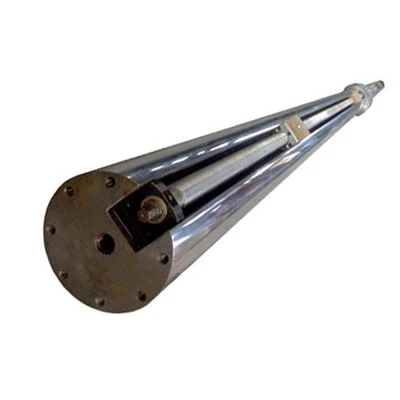
If you’re in the market for a portable lathe, or you’re curious which carriage travel would work best for your jobs, hit us up to talk. We don’t do hard sells, we do honest advice, and we’ll make sure you get a machine that actually works for you, not just a bunch of specs that sound good. Don’t waste another job dealing with carriage travel that’s too short or too long—let’s sort it out together.
Circular Mill References:
- Machinery’s Handbook, 31st Edition: Metalworking Processes, Section on Portable Lathe Operations
- Journal of Manufacturing and Materials Processing, 2021, Vol. 5, No. 2: Field Machining Precision and Workflow Optimization
- Portable Machine Tools Association, 2022 Industry Guide: Selecting Portable Lathes for On-Site Repairs
Shangqiu JDA Machinery Technology Co., Ltd.
With abundant experience, we are one of the most professional portable lathe manufacturers and suppliers in China. We warmly welcome you to buy cheap portable lathe for sale here from our factory. Quality products and reasonable price are available.
Address: No. 55 Pingyuan Middle Road, Liangyuan District, Shangqiu, Henan, China
E-mail: sales@jdamachines.com
WebSite: https://www.jdamachines.com/
