As a flat bed CNC lathe supplier, one of the most common questions I get from shop owners, machinists, and production managers is: “What’s the maximum bar size my machine can handle?” It’s a practical question, and if you’re trying to add bar feeding to your turning operations to cut set up time, reduce material waste, or keep parts running without constant operator attendance, it’s one you need a solid answer to—not just a number, but the context behind that number. After years of helping customers size their machines for jobs, I’ve seen far too many people misjudge this, leading to production delays, damaged tooling, or even dangerous setups. Today, I’m breaking down exactly how we determine maximum bar size for our flat bed CNC lathes, and what you need to consider before you buy. Flat Bed CNC Lathe

First, let’s start with the core component that dictates bar capacity: the main spindle bore. For every flat bed CNC lathe we build, the maximum bar size is almost always equal to the diameter of the hole that runs through the center of the main spindle. That hole is where you feed bar stock—whether it’s steel, aluminum, brass, or even plastic—through to the turret side of the machine. If your bar is thicker than that bore, it physically can’t pass through, no matter how much power the spindle has or how stiff the machine is. For example, our entry-level flat bed lathes have a 42mm spindle bore, meaning the largest round bar you can load directly through the spindle is 42mm. Mid-sized models bump that to 65mm, and our heavy-duty production units top out at 105mm. That sounds straightforward, right? But there’s a catch: not all bar stock is perfect.
Real-world bar stock has slight inconsistencies. Hot-rolled steel, for instance, often has a tolerance of ±0.5mm, while cold-finished bar might be tighter at ±0.1mm. If your spindle bore is exactly the same as the nominal diameter of your bar, that cold-finished stock might fit, but hot-rolled could bind halfway through a full load. We always add a small “working tolerance” when quoting maximum bar size—usually 0.5mm to 1mm—so our customers don’t run into fit issues. This is especially important if you’re bar feeding long lengths, because even a tiny bind in the spindle can cause the bar to kink, damage the feeding mechanism, or throw off part tolerances. I remember a customer a few years back who ordered a lathe with a 65mm bore, then tried to load a 64.8mm cold-rolled bar that he measured without accounting for the spindle’s internal bearing seat. The spindle’s inner races narrow slightly at the end near the chuck, so the bar actually bottomed out on the bearing instead of the full bore. It was an easy fix, but it delayed his first run by two days, and that’s a hassle no production manager wants.
Next, the chuck size and chuck jaws play a bigger role than most people realize. The spindle bore is the ceiling, but the chuck mounted on the end of the spindle can be the floor that limits what bar you can use. The chuck’s internal diameter (the space between the soft or hard jaws when fully open) has to be large enough to grip the end of your bar stock. If your bar is too thick for the chuck’s internal opening, you can’t load it far enough into the spindle to clamp it securely. For example, a 200mm three-jaw chuck has a maximum internal jaw opening of around 180mm, so even if your spindle bore is 220mm, you can’t use a bar larger than 180mm without custom jaw modifications. On our flat bed lathes, we design the chuck and spindle to work in tandem, so we specify the maximum bar size based on both the spindle bore and the standard chuck setup. If a customer needs to run a bar that’s slightly larger than the standard chuck’s opening, we can upgrade to larger diameter jaws or a custom scroll chuck, but that adds cost and lead time—something to account for if you’re choosing a lathe for a specific job.
Another factor I rarely see in online specs: the cross-slide clearance above the spindle center. Flat bed lathes are called that because the main spindle and turret slide operate on a flat, horizontal bed, unlike slant-bed lathes that are angled for chip evacuation. In a flat bed design, the turret and its tools sit directly above the spindle centerline, which means the distance between the spindle center and the top of the cross-slide determines how much space you have to feed bar through the front of the machine. If you’re running a bar stock that’s near the spindle bore limit, you might also need to cut off the end of the bar before it feeds all the way through, and you need enough clearance between the cross-slide and the spindle to let that tool work. I’ve had customers try to run a 100mm bar on a lathe with a 105mm spindle bore, but they didn’t account for their 25mm boring tool mounted on the turret. The tool would collide with the top of the bar when feeding, so they had to reduce the maximum usable bar size to 98mm to avoid a crash. That’s the kind of detail that isn’t in a product spec sheet, but it’s critical for on-the-job performance.
Then there’s bar feeder compatibility, which is a game-changer for high-production jobs. A lot of our customers invest in bar feeders to automate their turning operations, so the maximum bar size of the machine has to match the bar feeder’s capacity too. For example, a pneumatic bar feeder might handle a maximum diameter of 80mm, while a servo-driven bar feeder can go up to 120mm. If your lathe has a 105mm spindle bore but the bar feeder only handles 80mm, you’re limited to 80mm bars no matter what the spindle can do. That’s why when we quote machines, we always ask customers about their bar feeding setup before locking in maximum capacity. I once worked with a small aerospace shop that wanted to upgrade from manual loading to bar feeding for their 50mm aluminum aircraft brackets. They had their eye on a lathe with a 65mm bore, but their existing bar feeder was only rated for 55mm. We had two options: they could replace the bar feeder, or choose a lathe with a smaller 55mm bore that matched their feeder. They went with the smaller bore, saved $12,000 on the machine, and avoided the cost of a new bar feeder—something they wouldn’t have known to ask if we didn’t bring it up first.
Heavy-duty operations add another layer: deflection and spindle rigidity. If you’re turning large, long bars, the weight of the bar itself can cause it to deflect, especially if you’re using a live tool or cutting at high speeds. Flat bed lathes are generally stiffer than slant-bed models, but the maximum bar size also depends on how you’re processing it. For roughing cuts on 100mm steel bars, you need a spindle that can handle the radial load of the cutting tool, so we test our machines with 10% over the nominal bar size to make sure the spindle bearings won’t wear prematurely. I recommend that customers who run large bars add a support bush or a steady rest near the bar feeding area to reduce deflection. That steady rest can’t interfere with the turret’s path, though, so it’s another space consideration when calculating maximum bar size.
Now, let’s talk about what “maximum bar size” actually means for different types of jobs. If you’re a small job shop running one-off parts, you might not need to push the lathe to its limit—you can load a 5mm oversize bar and turn it down, so a 42mm bore is more than enough. But if you’re a production shop running 10,000 identical pins a month, you want to use bars as close to the spindle bore as possible to minimize waste. For those customers, we suggest looking for a lathe with a spindle bore that’s at least 10% larger than the nominal bar size you plan to use. That extra 10% gives you room for bar tolerance, tooling clearance, and any future jobs that might use slightly larger stock.
I also want to clear up a common misconception: more spindle bore doesn’t always mean better. A lathe with a 150mm spindle bore sounds impressive, but if you’re only running 50mm bars, you’re paying for capacity you’ll never use. The larger bore also means a heavier spindle, which can increase the machine’s footprint and power consumption. For small shops with limited floor space, a mid-sized flat bed lathe with a 65mm bore is often the sweet spot—enough for most aluminum and steel bar jobs without the extra cost and space.
So, how do you calculate the right maximum bar size for your operation? Let’s walk through a quick formula. First, note your required bar diameter (check your current stock or future part specs). Then, subtract 1mm for tolerance (to avoid binding). Then, factor in your chuck’s internal opening and cross-slide clearance. Finally, if you’re using a bar feeder, match that feeder’s maximum capacity. If the number you end up with is 40mm, a 42mm bore lathe is perfect. If it’s 60mm, a 65mm model works. If it’s 100mm, our heavy-duty production lathe is the right choice.
The worst thing you can do is pick a machine based solely on a spec sheet number. A few years back, a customer ordered a lathe from a competitor that advertised a 100mm maximum bar size, and he tried to run 98mm steel bars. Within three months, he had to replace his spindle bearings because the machine wasn’t designed to handle large bars under continuous load. That’s not a problem with the concept—it’s a problem with vague specs that don’t account for real-world conditions. At our shop, we publish maximum bar size numbers that are tested under full production loads, not just theoretical, so you can trust them.
If you’re in the market for a flat bed CNC lathe and still not sure what bar size you need, don’t guess. I’ve seen too many businesses throw away money on a machine that can’t meet their needs, or delay production because they picked the wrong capacity. Our team works with you to assess your current jobs, your future plans, and your bar feeding setup to match you with the right machine. We don’t just sell lathes—we help you build a turning operation that’s efficient, safe, and profitable.
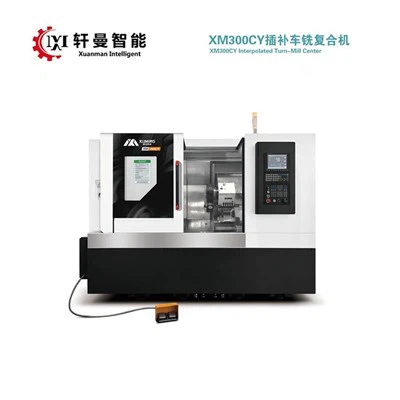
When you’re ready to talk through your requirements, reach out to our team. We’ll walk you through every detail from spindle bore to tooling clearance, so you can pick a flat bed CNC lathe that fits your bar size needs and grows with your business. Whether you’re a small job shop or a high-production facility, we have machines built to handle your specific bar stock and job loads. Don’t let a bad bar size calculation stall your next project—let us help you get it right the first time.
Vertical CNC Lathe References
- American Machine Tool Distributors’ Association. (2022). Flat Bed CNC Lathe Capability Guidelines: Spindle Bore and Bar Size Specifications.
- Manufacturing Engineering Society International. (2021). Bar Stock Compatibility and Lathe Rigidity: Best Practices for Turning Operations.
- Modern Machine Shop. (2020). How to Calculate Maximum Usable Bar Size for CNC Turning Machines.
- SME. (2019). Automated Turning Operations: Bar Feeder and Lathe Compatibility Standards.
Jiangsu Xuanman Intelligent Equipment Co., Ltd.
We’re well-known as one of the leading flat bed CNC lathe manufacturers in China, featured by quality products and low price. Please rest assured to buy discount flat bed CNC lathe made in China here from our factory. We also accept customized orders.
Address: No. 1-1, Weier Road, Jieji Equipment Manufacturing Industrial Park, Sihong County, Suqian City, Jiangsu Province, China
E-mail: jsxmzn@163.com
WebSite: https://www.xm-cnc.com/
