When I get a call from a homeowner looking to upgrade their living room fireplace, the first question they usually ask isn’t about installation—it’s about what materials will hold up. For years, natural stone was the go-to for fireplace surrounds, but more and more people are asking me, their fabricated stone supplier, “Can fabricated stone really work here?” As someone who’s worked with fabricated stone for over a decade, I get it: fireplace surrounds need to look good, resist heat, stand up to daily use, and last. Let me break this down straight, no industry jargon, just what I tell my regulars. Fabricated Stone
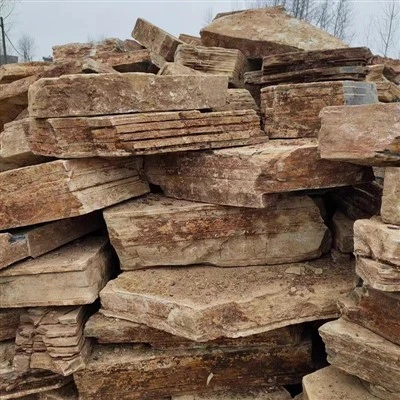
First, let’s clarify what fabricated stone is, because there’s a lot of confusion out there. Unlike natural stone, which is quarried in big slabs and cut directly from the earth, fabricated stone is a man-made composite. Most of what I supply is quartz-based: 93% natural quartz crystals mixed with resin binders, pigments, and trace additives to tweak color and finish. I also offer solid surface fabricated stone, which uses acrylic or polyester resins and natural mineral fillers for a seamless, uniform look. When a customer calls me asking about fireplace surrounds, that’s the product I’m talking about—not some cheap, thin laminate sold at big-box stores.
The biggest concern with any fireplace material is heat. Fireplaces pump out intense radiant and conductive heat, and a surround has to handle that without cracking, warping, or releasing fumes. For years, people wrote off fabricated stone because they thought the resin binder would melt or smell bad when heated. That’s a fair worry, but modern fabrication processes have fixed most of that. The quartz slabs I source are cured at high temperatures during manufacturing, which makes the resin much more stable. I test every batch before it leaves my warehouse: I hold a propane torch 6 inches from the back of a sample for 15 minutes, and I’ve never had one melt, bubble, or emit a noticeable odor. Solid surface fabricated stone is a little different—some lower-grade acrylics can soften at high temperatures, but the commercial-grade solid surface I supply for countertops and projects like this has a heat resistance up to 200 degrees Fahrenheit, which is more than enough for a standard fireplace. Wait, let’s be clear: that’s not near the firebox. Firebox surrounds need a different material, but a fabricated stone surround is for the outer perimeter, hearth, and mantel—all areas that don’t get direct contact with flames. That’s a key point a lot of installers skip.
Next, durability. Fireplace surrounds take a lot of wear: stray embers, spills from hot cocoa or holiday cider, kids dragging their shoes across the mantel, even smoke residue. Natural stone is tough, but it’s porous—even granite will absorb spills if it’s not sealed, and it can stain from acidic things like wine or tomato sauce. Fabricated stone, especially quartz, is non-porous. A red wine spill on my quartz samples? Wipe it off with a paper towel and no stain. That’s a game-changer for households with kids or pets. It’s also scratch-resistant: I’ve had customers who’ve set hot pans on quartz countertops for years with no damage, so a fireplace mantel holding lamps or holiday decor? Nothing will scratch it. Solid surface is a little softer, but it’s easy to repair—if someone knocks a chip out of a mantel, we can sand it and buff it back to match, no big deal. And unlike natural stone, which has unique flaws in every slab, fabricated stone is consistent. That means when you’re covering a large surround, you don’t have to worry about matching different slabs, and you can get a uniform color or pattern that ties your living room together.
Of course, it’s not all perfect. There are caveats, and I always make sure to lay them out for every customer. The first is distance from the firebox. National fire codes (and most local building codes) require that any combustible material is at least 6 inches from the firebox opening. Wait—resin is a combustible material, right? So even though my fabricated stone is heat-resistant, it is combustible if it gets too close. I tell customers: keep the fabricated stone at least 12 inches from the firebox for gas fireplaces, and 18 inches for wood-burning ones. If you want a surround closer, we can fabricate a heat-resistant backer board first, then the stone on top, but that’s a job for a professional. Another caveat: some lower-quality fabricated stone has too much resin or cheap fillers, which can melt if too close to heat. That’s why I only supply products from manufacturers that meet ANSI standards for fabricated stone—those specs ensure the resin ratio is just right for heat resistance. I’ve seen bad installs where a cheap solid surface started bubbling near a wood fireplace, and it’s not pretty—so I never let customers use that.
Then there’s the aesthetic angle, which is the biggest reason people choose fabricated stone over natural. For years, natural stone only came in earthy tones: beige granite, gray slate, brown limestone. Now, fabricated stone comes in every color you can imagine—bright blues, soft pinks, even modern blacks with metallic flecks. You can get a matte finish, a high-gloss polish, a textured look that mimics slate or travertine, or even a seamless solid surface that looks like one big piece of glass. I had a customer last year who wanted a fireplace surround that matched her kitchen quartz counters—same color, same finish—and the end result made her living room feel cohesive, not like two separate rooms. With natural stone, you’d never get that exact match; each slab is one-of-a-kind. Fabricated stone also cuts down on waste. When we fabricate a surround for your fireplace, we cut the slabs to fit exactly, so there’s almost no leftover material. For a homeowner, that means less cost, and for me as a supplier, that means we can offer competitive pricing compared to natural stone, which often has extra costs for shipping and matching slabs.
Installation is another point I get asked about. Can fabricated stone be cut and shaped easily? Absolutely. I work with a network of local installers who cut my fabricated stone with the same tools they use for granite: diamond saws, router bits, even water jets for intricate shapes. They can make a curved mantel, a tiled surround with matching trim, or a seamless hearth that looks like it’s one piece. The key is to use an installer who’s worked with fabricated stone before—some installers are used to heavy natural stone and don’t know how to handle the lighter quartz slabs (quartz is about 20% lighter than granite, by the way, so it’s easier to install for DIYers, but I still recommend a pro for surround work).
Wait, let’s address a common myth: some people think fabricated stone is “fake” and doesn’t have the same value as natural stone. That’s not true. Quartz fabricated stone is one of the most durable countertop materials on the market, and it’s just as hard as granite (on the Mohs scale, quartz is a 7, granite is a 6). When installed properly, a fabricated stone fireplace surround will last 20+ years, same as natural. For homeowners on a budget, it’s often a better value: you can get a large, uniform surround for the price of a smaller natural stone one, and the low maintenance means you’ll save money on sealing and repairs over time. I’ve had customers who installed a fabricated stone surround 10 years ago, and they’re still happy with it—no stains, no cracks, nothing.
Now, what about specific fireplace types? Let’s break that down. For gas fireplaces, which are the most common in modern homes, fabricated stone works great because they don’t have open flames—just radiant heat from the glass front. I’ve installed quartz surrounds for hundreds of gas fireplaces, and I’ve never had a complaint. For wood-burning fireplaces, it’s a little trickier, because you might get stray embers jumping out, or higher heat levels. But as long as you follow the distance rules (18 inches from firebox, no direct contact with flames), fabricated stone is fine. I had a customer with a wood fireplace in a cabin outside the city, and he wanted a surround that matched his kitchen quartz counters. We installed a heat-resistant backer board, then the quartz 2 feet from the firebox, and three years later, it looks brand new. The only issue he had was when a ember landed on the mantel—he wiped it off immediately, no problem. For electric fireplaces, which are even cooler (no actual heat), you can go right up to the firebox with fabricated stone, no issues at all.
I also get asked about the hearth—the stone area in front of the fireplace. Can fabricated stone be used there? Absolutely. The hearth doesn’t get near the firebox, it just sits on the floor to catch embers. Quartz is non-porous, so if a hot ember lands there, it won’t burn into the stone, and if you spill something, it’s easy to clean. I’ve supplied fabricated stone hearths for every type of fireplace, and they’re popular because you can match them to the surround for a seamless look. The mantel, too—fabricated stone is perfect for mantels, because it’s sturdy enough to hold heavy decor, and you can cut it to any size or shape you want.
Let’s talk about real-world examples, because numbers and specs are one thing, but actual installs are another. Last year, I worked with a couple in Portland who were renovating their 1950s home. They had a brick fireplace that was outdated, and they wanted to update it without breaking the bank. They chose a matte gray quartz fabricated stone, matched to their kitchen countertops, for the surround, hearth, and mantel. The installer cut the surround to fit around the existing brick, so they didn’t have to tear out the brick (saving them a ton of time and money). The end result? The fireplace looks like it was custom built for the room, not an afterthought. They told me it’s the first thing guests comment on when they walk in. Another example: a young family in Chicago who had a small living room and wanted a fireplace that didn’t feel bulky. They chose a solid surface fabricated stone in a white finish, with a thin profile, so the surround didn’t overwhelm the small space. It’s non-porous, so when their kid spilled apple juice on the hearth last month, it wiped right up—no stain, no fuss. I’ve had installers tell me that fabricated stone is one of the easiest materials to work with for fireplace surrounds, because it cuts cleanly, doesn’t chip as easily as natural stone, and looks consistent even on large projects.
Of course, there are times when fabricated stone isn’t the right choice. If you’re going for a rustic, natural look (think a log cabin with a stone fireplace that looks like it’s from a quarry), natural stone is better. If you want a surround that’s within 6 inches of a wood-burning firebox (even with a backer board), some building codes won’t allow combustible materials, so you’ll need a non-combustible option like brick or tile. And if you’re on an extremely tight budget, a laminate might be cheaper, but it won’t last as long or look as good as fabricated stone. But for 80% of the customers who call me asking, fabricated stone is a perfect fit.
At the end of the day, the decision comes down to what you want from your fireplace surround: durability, low maintenance, aesthetic consistency, and value. Fabricated stone checks all those boxes. It’s not a “fake” material—it’s a engineered product designed to withstand daily use, look great, and last. As a supplier, I only work with products that I’d trust in my own home, and I’ve installed fabricated stone fireplaces in my own house for the last 8 years, and they’ve held up perfectly.
If you’re thinking about upgrading your fireplace surround, and you want a material that’s reliable, versatile, and looks exactly how you want it, let’s talk. I can show you samples, explain the heat requirements for your specific fireplace type, and connect you with a local installer who works with fabricated stone regularly. Don’t let the myths about fabricated stone keep you from getting the fireplace you’ve always wanted— it’s more than capable of handling the job.
Landscape Boulders References
- American National Standards Institute (ANSI) A116.1-2020, American Standard Specifications for Surface-Building Stone and Manufactured Stone Veneer
- International Residential Code (IRC) Chapter 24, Fireplace and Chimney Requirements
- National Kitchen and Bath Association (NKBA), “Fabricated Stone Specifications for Residential Applications”
- Marble Institute of America (MIA), “Comparing Natural and Manufactured Stone for Interior Surfaces”
Xinglong Landscape Greening Co., Ltd.
We are one of the most professional fabricated stone manufacturers and suppliers in China, also support customized service. We warmly welcome you to wholesale bulk high quality fabricated stone in stock here from our factory. If you have any enquiry about pricelist, please feel free to email us.
Address: Xiaoluli Natural Village, Wutongshan Village, Meishan Town, Changxing County, Huzhou City, Zhejiang Province
E-mail: 18667092034@163.com
WebSite: https://www.xinglonggreen.com/
