Let’s talk about something that’s been popping up in my inbox lately, especially since more people are ditching overcrowded campgrounds for remote spots and powering their off-grid setups with portable camping power stations: “Can these things explode?” It’s a fair question—when you’re hauling a device that’s supposed to keep your mini-fridge running, charge your phone, and power a few lights off the grid, the last thing you want to worry about is a safety mishap. As someone who’s spent 12 years building and testing these units for campers, van lifers, and outdoor groups, I’ve got a front-row seat to the science, the edge cases, and how we design for safety. First, let’s break down what’s inside a camping power station, because the risk comes down to those core components. Camping Power Stations
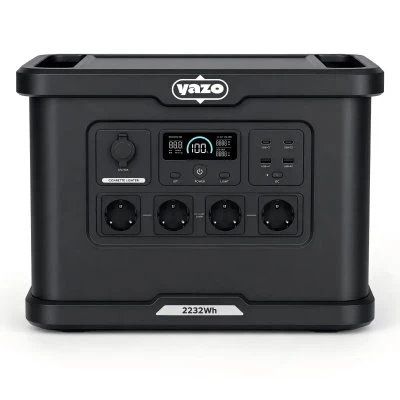
Most modern camping power stations use lithium-ion batteries—same as your phone, your laptop, and most electric vehicle (EV) batteries. Unlike the disposable lead-acid batteries of old (which were prone to leaking acid if damaged), lithium-ion packs deliver way more energy in a smaller, lighter package, which is why they’ve taken over the camping space. But that high energy density is both a superpower and a potential risk if something goes wrong. The big safety concern here is thermal runaway—a chain reaction where a part of the battery heats up, which causes a nearby part to heat up even more, and so on, until the battery catches fire or explodes. But thermal runaway isn’t a random glitch; it’s almost always triggered by one of three specific issues, and those issues are 100% preventable if you know what to look for.
The first trigger is physical damage. If you drop a power station, run it over with a camp vehicle, or puncture the battery casing with a sharp rock or branch, you can rupture the internal cells. That breaks the separator between the positive and negative electrodes inside each cell, letting the chemicals touch and spark off that chain reaction. I’ve seen this firsthand at our test facility—last year, we dropped a prototype from 6 feet onto a concrete slab (simulating a camper knocking it off a roof rack) and the internal casing of one cell cracked. We caught it before it caused a fire, but it’s exactly the kind of damage that would lead to a catastrophic failure if left unchecked. The good news? Reputable suppliers, including us, build our power stations with reinforced, shatter-resistant casings, and we include a drop test rating on every unit—we test all our models to handle impacts up to 3 feet, which covers most accidental knocks on a campsite.
The second trigger is overcharging or deep discharging. Camping power stations aren’t meant to be left plugged into a solar panel or wall outlet 24/7 indefinitely. If you overcharge them (meaning you leave them connected to a charger even after the battery is full), the extra electricity can build up inside the cells, causing them to swell or crack. On the flip side, draining the battery all the way down to 0% every single time you use it wears out the internal electrodes faster, making the cells more prone to failure over time. We include built-in charge controllers and low-voltage protection in every one of our units to stop overcharging and cut power before the battery hits 10% (the minimum safe discharge for lithium-ion cells). But I still see campers doing this—last month, a van lifer emailed us saying he’d run his power station completely dead while camping off-grid, and it wouldn’t turn on anymore. We told him to let it rest and charge it slowly, and it worked, but that’s the kind of misuse that can lead to bigger issues down the line.
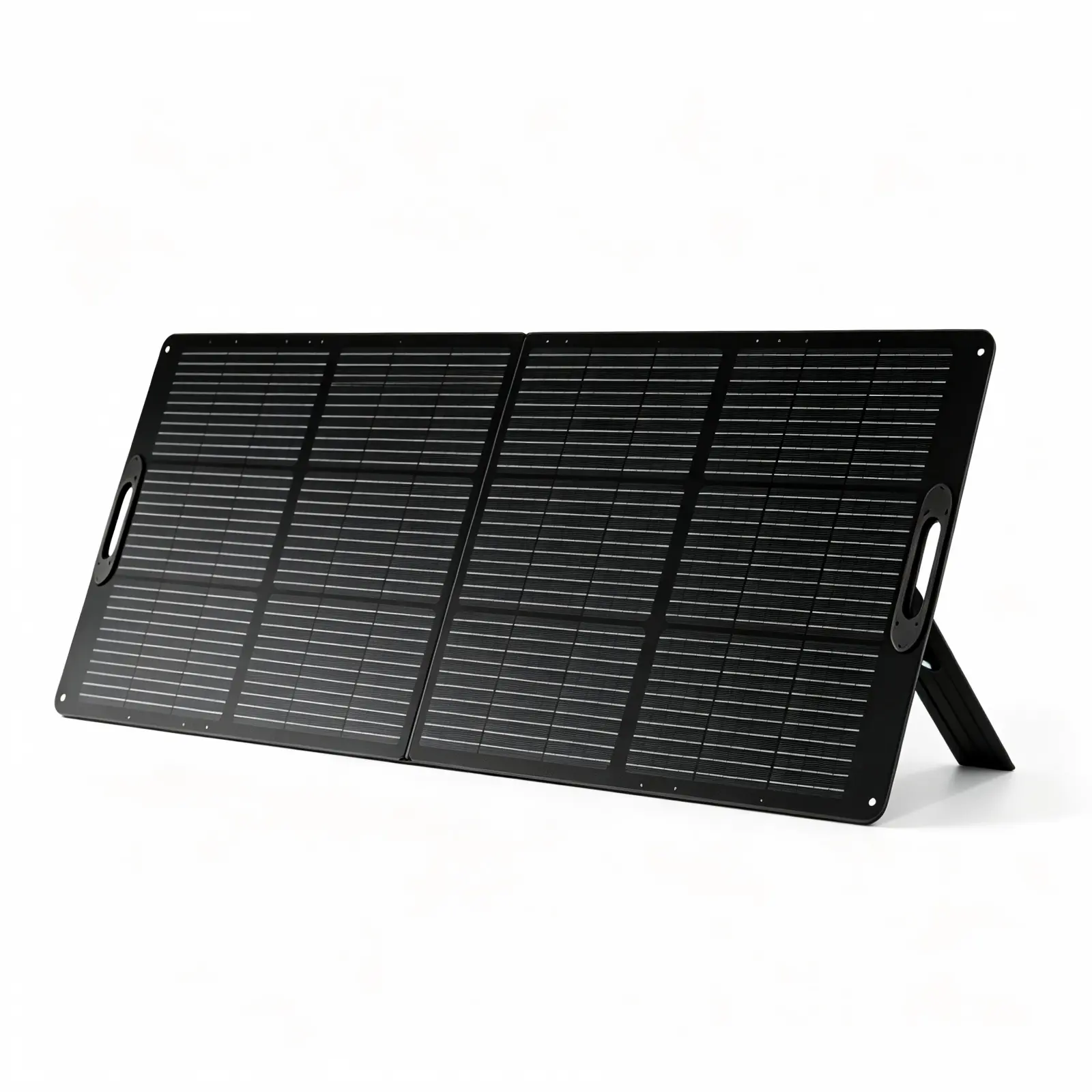
The third, and most common, trigger is using unapproved chargers or accessories. A lot of campers pick up cheap, off-brand solar panels or wall chargers from big-box stores without checking if they’re compatible with their power station. If a charger puts out too many volts or amps for your unit, it can overwork the battery cells. I’ve heard stories of people using a 100W solar panel meant for a small phone charger on a 500Wh power station—turns out that panel was putting out 21V, when our units are designed for 12V solar inputs. That mismatch caused the internal charge controller to overheat, and while it didn’t explode, it did damage the cells so bad the power station only held half its charge after that. To avoid this, always stick to the chargers, solar panels, and accessories we sell or recommend for our units—we test every compatible add-on to make sure they won’t stress the battery.
Now, let’s get to the big question: how likely is an explosion actually? The truth is, it’s extremely rare—way rarer than getting a flat tire on a camping trip, for example. A 2022 study from the National Fire Protection Association (NFPA) looked at lithium-ion battery incidents in consumer electronics (including power stations) and found that less than 0.001% of units experience a catastrophic failure that leads to fire or explosion. That’s a tiny number, but it’s still enough to make people nervous, which is why we take safety so seriously at our company. We don’t just slap a battery in a box and call it a day—each of our units goes through 12 separate safety tests before it leaves our warehouse, including thermal cycling (simulating extreme heat from a 100°F campsite to -20°F winter camping), short-circuit tests, and pressure tests to make sure the casing can handle any internal buildup.
I also want to address a common misconception: older, cheaper power stations from no-name brands are way more likely to have issues than reputable ones. A lot of the budget units you see online skip the expensive safety features to cut costs—no charge controllers, flimsy casings, and even batteries that are not certified by organizations like UL (Underwriters Laboratories) or CE. UL certification is huge here—when a power station has the UL 2271 mark, it means it’s passed rigorous safety tests for lithium-ion batteries, including no explosions under normal use and even in some edge cases. All of our units are UL 2271 certified, and we post the full test reports on our website for anyone who wants to see them.
But even with all that, there are still a few basic things you can do as a camper to keep your power station safe. First, store it in a cool, dry place when you’re not using it—don’t leave it in your car in 100°F heat, because extreme temperatures can speed up battery degradation. Second, never leave it unattended while charging overnight (though our auto shutoff means it will stop charging when full, it’s still a good practice). Third, if you notice anything off—swelling in the casing, a weird smell like burnt plastic, or it’s holding less charge than it used to—stop using it immediately and contact us for a checkup. I’ve had a few customers send in units that were slightly swollen, and we’ve been able to recycle them safely for free, no questions asked.
Now, I know some of you might still be thinking, “What about if there’s a fire near the power station? Could that cause an explosion?” That’s another edge case. Lithium-ion batteries can catch fire if exposed to extreme heat, but the good news is that most camping power stations have a fire-retardant material inside the casing to slow that down. We also design our units with ventilation ports to let any built-up heat escape, instead of letting it build up and cause pressure that leads to an explosion. If you do have a power station catch fire, don’t use water—use a Class D fire extinguisher for lithium fires, or smother it with a fire blanket. But again, this is a worst-case scenario, and with proper use, it’s extremely unlikely.
At the end of the day, camping power stations are one of the most reliable tools for modern outdoor life—they let you power a coffee maker on a cold morning, run a CPAP machine while you camp, and keep your family safe with lights when the sun goes down. The key is knowing how they work, what causes the rare issues, and choosing a supplier that prioritizes safety over cheap prices. If you’re in the market for a camping power station, or you have one and want to make sure you’re using it safely, I’d love to chat with you. Whether you’re planning a week-long camping trip, converting a van, or leading a group camp, we can help you pick the right unit, explain how to use it safely, and answer any other questions you have. Don’t hesitate to reach out to our team to start a conversation about what you need for your next adventure.
Camping Power Stations Reference: National Fire Protection Association. (2022). Lithium-Ion Battery Fire Incidents in Consumer Portable Power Equipment. NFPA Journal. Underwriters Laboratories. (2021). UL 2271 Standard for Safety for Portable Lithium-Ion Battery Packs for Use in Portable Power Stations. UL Inc.
Overlooking Countless Small Mountains (Xiamen) Electric Power Technology Co., Ltd.
Overlooking Countless Small Mountains (Xiamen) Electric Power Technology Co., Ltd. is one of the most reliable camping power stations manufacturers and suppliers in China. With a professional production team, we are able to meet the needs of the majority of our customers. Please feel free to wholesale bulk high quality camping power stations made in China here from our factory.
Address: No.888, Tonglong 2nd Road, Xiamen Torch High-tech Industrial Zone (Xiang’an), Xiamen, Fujian, China
E-mail: admin@powerstationsupplier.com
WebSite: https://www.powerstationsupplier.com/
