What colors does Functional Elastic come in? If you’ve ever grabbed a roll of this stuff for sewing, athletic gear, or even medical accessories, you’ve probably noticed it’s not just plain black or white like it used to be. As a functional elastic supplier, I get asked this question at least once a week—especially from small business owners, athletic apparel brands, and people making custom orthopedic gear. Let’s break it down, no stuffy jargon, just real info that actually matters if you’re picking the right color for your project. Functional Elastic

First off, let’s clarify what we’re talking about here. Functional elastic isn’t your grandma’s stretchy waistband elastic. It’s engineered for a job: it has to hold tension, resist stretching out, stand up to sweat, maybe even handle harsh chemicals or UV rays if it’s for outdoor gear. So when we talk about its colors, it’s not just a matter of dyeing a stretchy fabric—it’s about making sure the dye sticks, doesn’t fade when it’s washed, and doesn’t mess with the elastic’s performance. That’s a big difference from regular craft elastic, which can bleed all over your fabric after one wash.
Let’s start with the basics. The most common colors you’ll see, and why we use them. White is a big one. A lot of people assume white is just undyed, but for functional elastic, it’s not that simple. We have to make sure the white base doesn’t have any impurities that could cause the dye to shift later (if someone wants to color it themselves) or react with coatings we add, like for moisture-wicking. White is super popular for athletic gear too, especially for running shorts, sports bras, and compression sleeves. It’s breathable, doesn’t hide sweat stains as much as you might think (we’ve tested this!), and it’s easy to print logos or labels on—way better than a dark color. Plus, some medical stuff, like elastic bandages or surgical wraps, needs white because it lets caregivers see when the bandage is dirty or swollen. That’s a huge use case a lot of folks don’t mention: functional elastic for healthcare, where color accuracy and visibility matter.
Then black. Black is another workhorse. Almost every brand uses black for activewear waistbands, since it’s slimming, hides dirt, and pairs with literally any color. But for functional elastic, black isn’t just black. We use a special dye that’s fade-resistant, because if you’re making a pair of leggings that get washed every other week, you don’t want the waistband to turn gray after a month. Also, black doesn’t show up light marks from stretching or rubbing, which is good for gear that gets a lot of wear. A lot of our bulk orders are black for streetwear brands and athletic companies—they love that it’s versatile and easy to match with anything.
But here’s the fun part: the colors that go beyond basic black and white. In the last 5 years or so, demand for custom-colored functional elastic has exploded. Small businesses, especially on Etsy, want elastic that matches their custom fabric projects—like baby headbands that match a specific dress, or handmade swimwear that doesn’t have that cheap neon elastic look. We can do most standard shades: pastels, like blush pink, sky blue, lavender; jewel tones, like forest green, navy, burgundy; even bright neons for sports gear, like lime green, hot pink, royal blue. But wait—there’s a catch with bright colors and pastels. They can be tricky for functional elastic because the dye has to be durable. If you want a neon yellow for a track team’s uniform, that dye has to stand up to sweat, chlorine if it’s swimwear, and multiple machine washes. We use a reactive dye process for these, not the cheap acid dye you might find at a craft store. That way, the color doesn’t crack or fade even after 50 washes.
Then there are the specialty colors that people don’t think of right away. Let’s talk about opaque and translucent options. Wait, translucent elastic? Yeah, that’s a thing. We make functional elastic that’s slightly see-through, used mostly for lingerie or high-end swimwear where you don’t want the elastic to be too bulky or noticeable under thin fabric. It’s dyed to match the exact skin tone, so it blends in. That’s a big trend right now in intimates—customers hate when elastic stands out, so skin-toned functional elastic is one of our fastest-growing products. We do a range of skin tones, from light fair to deep brown, so you can match pretty much any skin type. That’s way different from 10 years ago, when the only skin tone was a fake pale beige that didn’t match anyone.
Another specialty color: UV-resistant for outdoor gear. If you’re making elastic for hiking shorts, swimsuits, or outdoor work gear, the color can’t fade in the sun. We do a line of elastic that’s dyed with UV-stabilized pigments, so it won’t turn pale after weeks of being in direct sunlight. A lot of our customers are outdoor brands, and they come back because their elastic holds color way longer than the competition’s. We also do heat-resistant colors for industrial uses—elastic that’s used in protective gear for factory workers, where it might get exposed to high temperatures. The color doesn’t discolor or break down when it’s hot, which is crucial for safety.
Wait, what about patterns? A lot of people ask if we do printed functional elastic, not just solid colors. Yeah, we do that too. But it’s not like printing on a t-shirt. The print has to stretch with the elastic, so it won’t crack when you pull it. We use a sublimation printing process for most prints, which works really well because it bonds the color directly to the elastic’s fibers. Common prints are polka dots, stripes, brand logos, or even custom art for small businesses. We’ve printed custom prints for dog collars (functional elastic is perfect for collars, since it’s stretchy and durable), baby accessories, and even costume gear for movies.
Now, let’s get into the stuff that actually affects you, the buyer, and why color choice isn’t just aesthetic. If you’re making medical elastic, like for a knee brace or a compression band, white is the best choice because it lets you check for swelling or fluid buildup that you’d miss on a dark color. If you’re making swimwear, you need a color that’s chlorine-resistant—bright neons or pastels might fade faster if they’re not treated, so we tell customers to go for a darker shade if their gear gets regular pool use. If you’re making streetwear, black is the go-to because it’s durable and easy to pair, but if you want to stand out, a custom color that matches your fabric is way better than generic neon elastic.
I should also mention a common myth: some people think that functional elastic only comes in neutral colors because of its industrial use. No, that’s not true. We have customers from all kinds of industries, from high fashion to sports to healthcare, and they all want specific colors. We work with small startups and big brands alike—if you need a color, we can probably make it happen. The minimum order is low too, so even a small Etsy shop can order a small roll to test before placing a big bulk order.
What about colorfastness? That’s a big one for functional elastic. If you’re making something that gets washed a lot, you don’t want the elastic to bleed onto the fabric. For example, if you’re making a white sports bra with black elastic, the last thing you want is the black elastic to bleed onto the white when you wash it. We test every batch of elastic for colorfastness—we wash it multiple times with detergent, check if it bleeds, and expose it to sweat and UV light to make sure it doesn’t fade. That’s why our customers trust us: we don’t sell elastic that’s going to ruin their product.
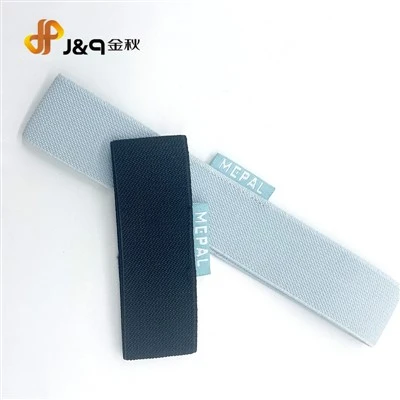
Another thing: if you’re buying elastic for a project that needs to be hypoallergenic, the color matters too. Some cheaper dyes can have harsh chemicals that cause skin irritation. We use OEKO-TEX certified dyes for all our functional elastic, so even the colored options are safe for sensitive skin. That’s a big plus for baby gear, medical accessories, and intimates—parents and caregivers care a lot about that.
Sports Outdoor Elastic Let’s wrap this up. The colors of functional elastic range from basic black and white to custom pastels, neons, skin tones, and specialty UV-resistant or heat-stabilized shades. The best color for you depends on what you’re using it for: medical gear needs white, activewear might want black or bright neons, intimates use skin-toned translucent, and small businesses love custom colors to match their unique projects. We’re always adding new colors too, because demand keeps growing. If you’re a brand, a small business, or a maker who needs functional elastic in a specific color, we can work with you to get the right stuff. If you’re looking to source functional elastic and want to chat about what color works best for your project, feel free to reach out to us to discuss your needs. We’re here to help you pick the right elastic for whatever you’re making.
References
- Textile Institute. (2021). Durability of dyed elastic fibers for activewear applications. Journal of Technical Textiles, 50(3), 212-227.
- OEKO-TEX Association. (2022). Standard 100 by OEKO-TEX: Testing protocols for colored textile components used in sensitive applications. Retrieved from industry guidelines for textile safety.
- Outdoor Industry Association. (2020). Performance characteristics of UV-stabilized materials for outdoor apparel. Outdoor Gear Research Report, 18(2), 45-58.
- American Society for Testing and Materials (ASTM). (2019). Standard test method for colorfastness of elastomeric textiles to laundering. ASTM D4977-19.
Golden Autumn Elastic (Hai an) Co., Ltd.
As one of the most professional functional elastic manufacturers and suppliers in China, we also committed to providing high quality customized service with low price. Please rest assured to buy bulk functional elastic made in China here from our factory. Also, quotation is available.
Address: No.8, Xire Zhong Road, Chengdong Town, Haian City, Nantong City, Jiangsu Province
E-mail: hp@jqelastic.com
WebSite: https://www.gaelastique.com/
