If you’re reading this, chances are you own, manage, or maintain steel support structures—think warehouse racks, industrial building columns, or even solar panel mounts that’ve taken a beating over the years. I’ve been a steel support structure supplier for 12+ years, and let me tell you: damage isn’t just a cosmetic issue. A bent rack leg or a rusted column base might look minor at first, but skip fixing it, and you’re looking at expensive downtime, safety hazards, or even total structure failure down the line. Most people think repairing steel is as simple as welding a crack or slapping on paint, but it’s way more nuanced than that. I’ve seen too many customers cut corners, and now they’re dealing with bigger problems. Today, I’m breaking down how to actually repair damaged steel support structures the right way—no shortcuts, no guesswork. Steel Support Structure
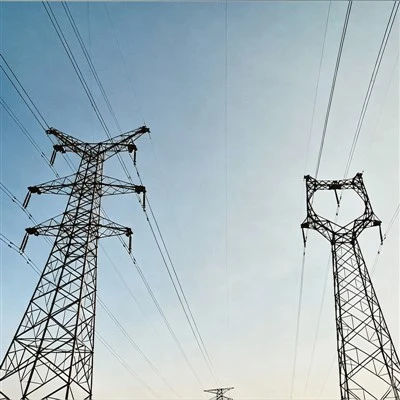
First, before you touch any tool, you need to do a proper damage assessment. You can’t fix what you don’t fully understand. I always tell my clients to start by walking the structure with a tape measure, a flashlight, and a basic knowledge of steel grades. Don’t just look for obvious dents or rust—check for hidden stress points. For example, a warehouse rack that’s leaned a few inches because a forklist crashed into it might have micro-cracks in the welds you can’t see without a magnifying glass. Here’s what to prioritize: visual checks for corrosion, bending deformations, weld cracks, and any loose connections. If the structure is load-bearing (like a support column for a mezzanine), bring in a level to measure how much it’s shifted. Even a 2-degree lean might mean the steel is under uneven stress, which could make repairs fail later. Pro tip: take photos of every damaged area from multiple angles—this helps if you need to order replacement parts later, and it gives you a baseline to track repair progress. Also, make sure to check the building codes in your area; different regions have specific requirements for steel structure repairs, so you don’t want to do work that’s not up to code.
Next, let’s talk about common types of damage and how to fix each one, since not all steel damage is the same. The most frequent issues I see are corrosion (rust), bending, and weld failure. Let’s start with corrosion, because it’s the slowest killer. Surface rust is one thing, but if it’s eating through the steel (pitting corrosion), that’s a big problem. Here’s the right process for rust repair: first, strip all the rust off the damaged area. Don’t just sand it lightly—use a wire brush, a sandblaster, or a grinder with a coarse wheel to get down to bare, shiny steel. If the corrosion is deep enough to create holes, you’ll need to fill those with a weld repair or use a steel repair epoxy, but only if the hole is small. For larger holes, welding in a steel patch is way more reliable. Once the rust is gone, clean the area with a degreaser to get rid of any oil or grime, then apply a rust inhibitor primer. I recommend a zinc-rich primer because it bonds with the steel and prevents future corrosion. Skip the cheap spray paint—primer is non-negotiable here. If you just paint over rust, the rust will keep spreading under the paint, and your repair will last a year max.
Then there’s bending damage. This usually happens from impact (forklifts, heavy machinery) or overloading the structure. For minor bends (less than 5% of the member’s length), you can often straighten the steel without replacing it. But here’s the catch: you can’t just hammer it straight. That’ll weaken the steel. Instead, use a hydraulic jack for controlled straightening. Position the jack at the point of the bend, apply slow, even pressure, and check the alignment with a level as you go. Stop before you over-straighten—you don’t want to bend it the other way. For more severe bends (over 5%), or if the bend is in a critical load-bearing member (like a main support column), replacement is better. I know replacement is more expensive upfront, but a bent member that’s not fixed right will fail under load, and that’s way costlier than a new part. I’ve had a customer who tried to straighten a heavily bent rack leg a few years back; six months later, the rack collapsed during a stock count, and he lost $50k in inventory alone. Don’t make that mistake.
Weld cracks are another common issue, especially in structures that experience a lot of vibration (like industrial equipment supports) or temperature changes. If you spot a weld crack, don’t just grind it and re-weld—you need to prep the area first. Grind out the entire crack until you get to solid steel, no more porous weld material. Then, make sure you’re using the right weld rod. Match the rod’s strength to the original steel. If you don’t know what grade steel your structure is made of, most suppliers (like me) can test a sample for you, no hassle. Using the wrong weld rod will create a weak bond that breaks easily. Also, weld in short, continuous passes, not long ones—this prevents the steel from warping. After welding, let it cool slowly, then check the weld for cracks or porosity. If there are any gaps, grind them and re-weld.
Now, what about structural repairs for major damage? Like if a support column has completely rotted at the base, or a rack frame has a broken top beam. In these cases, you might need to do a partial or full member replacement. Wait until the structure is unloaded before you do this—safety first, always. For partial replacement, cut out the damaged section, then cut matching pieces from a new steel member, fit them tightly, and weld them in place. If you’re replacing a whole member, make sure the new member is the same size and strength as the original. I see a lot of customers trying to use a thinner steel member to save money, but that compromises the whole structure. Also, when installing new members, use high-strength bolts for connections—way better than regular bolts, because they create a tight, secure fit that can handle heavy loads. After any major structural repair, it’s a good idea to do a load test to make sure it’s holding up. You can hire a structural engineer to do this, or if you’re a pro, use a load testing kit to apply a controlled load and check for any movement.
Wait, let’s talk about a few things most people miss during repairs. First, surface preparation is key. Even the best weld or paint will fail if the surface isn’t clean. Don’t rush this step—take the time to get rid of all rust, grease, and old paint before you do any repair. Second, compatibility of materials. If you’re repairing old steel (which might be carbon steel) with new steel, make sure they’re compatible. Mixing different steel grades can cause galvanic corrosion, which speeds up rusting. Third, don’t ignore secondary members. A lot of people focus on the main support columns, but secondary members like bracing beams or cross-members are just as important. If a bracing beam is damaged, the whole structure is less stable, even if the main columns are fine. I always tell clients to do a full sweep of the entire structure, not just the parts that look broken.
Another mistake I see: skipping post-repair inspections. You might think you did a great job, but a hidden crack or a loose bolt could cause a problem a month later. After you finish all repairs, do a final walkthrough, check all welds, bolts, and primer, and make sure everything is aligned. If you’re working on a commercial structure, document all the repairs—photos, inspection reports, load test results—so you have a record for insurance or future maintenance.
Now, if you’re not comfortable doing these repairs yourself, don’t hesitate to call in a professional. Structural steel repair isn’t a DIY project for beginners. One wrong weld or a bent member that’s not fixed right can lead to a catastrophic failure. As a steel support structure supplier, I work with a lot of contractors who specialize in steel repairs, and I can connect you with reliable folks if you need it.
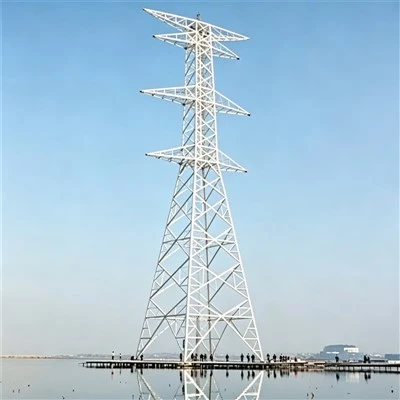
At the end of the day, repairing damaged steel support structures isn’t just about fixing a part—it’s about keeping your facility safe, avoiding downtime, and protecting your investment. Cutting corners on repairs costs way more in the long run. If you’re not sure about the damage on your structure, or you need replacement parts, or you want to talk through a repair plan, don’t hold back. We’ve been supplying steel support structures for years, and we know how to help with every step, from damage assessment to replacement parts. Just reach out, and we can chat through your specific needs.
Circuit Transmission Tower References:
- American Institute of Steel Construction. Steel Structure Repair and Maintenance Guide. 2021.
- Occupational Safety and Health Administration. Requirements for Structural Steel Repair in Industrial Facilities. 2020.
- Steel Manufacturers Association. Best Practices for Steel Corrosion Repair. 2019.
Qingdao Hongyuanfeng Power Equipment Co., Ltd.
Hongyuanfeng is one of the most professional steel support structure manufacturers and suppliers in China, also supports customized service. Please feel free to wholesale advanced steel support structure in stock here from our factory. Good service and quality products are available.
Address: No.42 Fengwu Road, Beiguan Industrial Park, Jiaozhou City
E-mail: 13808970205@163.com
WebSite: https://www.hyfsteelpod.com/
