If you’ve ever grabbed the first pair of shorts hanging in your closet before a run, only to spend the next 30 minutes adjusting your waistband or swatting fabric sticking to your sweaty thighs, you’re not alone. As a guy who’s spent years testing gear for our men’s training wear line, I’ve heard this frustration from runners, gym bros, and even casual guys who accidentally wore denim shorts on a 5K. The line between “shorts” and “running shorts” isn’t just marketing fluff—there are actual, science-backed differences that make a world of difference, especially when you’re moving. Let’s break it down without the jargon, and yeah, this is coming from the team that designs these for a living, so we know exactly what works and what doesn’t. Training Wear for Men

First up: fabric. Regular shorts, whether they’re the cotton pair you wear to barbecues or the canvas cargo ones you keep in your trunk, are built for sitting, walking, and looking casual. Cotton is the big culprit here—it’s cheap, soft, and absorbs water like a sponge. That’s fine if you’re sipping lemonade at a cookout, but if you’re running? Cotton will soak up every drop of your sweat, weigh you down so much you feel like you’re wearing a wet towel, and take hours to dry. Even synthetic regular shorts (like those polyester lounge pairs) are often made with bulky, rigid fabrics that don’t stretch with your stride. Running shorts? We use technical fabrics—usually lightweight polyester or nylon blends with a touch of spandex. They’re engineered to wick sweat away from your skin (that’s why your back stays dry mid-run) and dry in 15 minutes or less. I tested this last month on a 7-mile run in 80°F heat: my old pair of cotton shorts stayed damp for two hours after I got home, but our training running shorts were completely dry by the time I finished stretching. No joke, that’s a game-changer when you don’t want to feel like you’re wearing a damp blanket all day.
Next, length and fit, which are way more personal than people think—but there’s a science to it. Regular shorts come in all lengths, from tiny athletic (but not running) split shorts to baggy knee-length cargo shorts. The problem with most regular shorts for running is that they either bunch up mid-stride or ride up so far you’re adjusting them every two steps. Running shorts hit a sweet spot: usually 5 to 7 inches from the crotch to the hem (that’s for most men, adjust if you like shorter or longer). Why that length? It’s long enough to cover your thighs so you don’t get chafing, but short enough so it doesn’t catch on your knees when you’re running, lunging, or doing sprints. Baggy regular shorts, on the other hand, create extra fabric that slaps against your legs every time you take a step—you’ve definitely heard that annoying “slap-slap-slap” sound mid-run, right? That’s not just annoying; it can throw off your rhythm and even cause small blisters over time. I’ve had guys test our shorts and say they stopped having to adjust their shorts mid-run after switching from old regular workout shorts. That’s the point—they work with your body, not against it.
Then there’s the built-in liner, the thing that makes most guys go “wait, what’s that?” when they first try running shorts. Regular shorts almost never have a liner—they’re designed to be worn with underwear, so you have to worry about bunching, sweating, and extra layers. Running shorts? Almost always have a light, breathable liner built right in. Why? Two reasons: first, it eliminates the need for separate underwear, cutting down on bulk and preventing that extra layer of fabric from trapping sweat. Second, the liner is shaped specifically for running—no more shifting underwear when you’re sprinting or jogging. Some liners even have a tiny pocket for a key or energy gel, which is a huge win for runs where you don’t want to carry a fanny pack. I’ve heard so many guys complain about chafing from wearing two layers (underwear + regular shorts) during runs— the built-in liner fixes that almost entirely. Now, not all liners are created equal; cheap running shorts have scratchy liners that ride up, but our liners are soft, lightweight, and have mesh panels so they don’t feel like a second layer.
Waistband design is another big one that most people overlook. Regular shorts usually have a basic elastic waistband that’s either too tight (digging into your ribs) or too loose (slipping down mid-walk). Running shorts are built with a compression waistband—usually wide, soft elastic that sits at your natural waist, not your hips. Some even have a drawstring that’s thin but durable, so you can adjust it without it getting in the way. Why is that important? When you’re running, your core bounces a little, and a flimsy waistband will slip down, forcing you to stop every few minutes to yank them up. I tested this on a long trail run last month: my old regular shorts had a waistband that slipped so much I had to pause four times, but our training shorts stayed put the entire 12 miles. No stops, no adjustments, just running. Also, the wide waistband doesn’t dig into your side when you’re leaning forward to sprint or huffing up a hill—small thing, but it adds up to a way more comfortable run.
Pockets, too—this is a area where running shorts have leveled up, and regular shorts usually fall short. Regular shorts might have two side pockets that are deep enough for your phone… if you don’t move. Try jogging with a phone in a regular short’s pocket, and it’s bouncing so hard you’ll be counting your steps instead of focusing on your pace. Running shorts have pockets that are specifically engineered for movement. A lot of our running shorts have side pockets with anti-bounce fabric—they stretch with the phone so it doesn’t move, but secure enough that it won’t fall out if you bend over. Some even have a small zippered pocket for keys or a credit card, which is perfect for short runs when you don’t want to carry a separate waist pack. Most regular shorts’ pockets aren’t built for movement at all—they’re just extra fabric sewn on, and half the time they’re too small to fit anything larger than a key. I’ve seen guys try to stuff a Galaxy S24 into their cargo shorts pocket mid-run and have it bounce out into a bush—don’t be that guy.
Chafing prevention is the secret superpower of running shorts, and it’s something regular shorts almost never address. Chafing is that raw, irritated skin on your inner thighs after a long run, and it’s caused by fabric rubbing against skin over and over. Regular shorts, especially cotton ones, are rough and absorbent, so they rub more, and when they get wet, the friction increases even more. Running shorts are made with smooth, non-abrasive fabrics, and the fit is designed to prevent fabric from bunching up. The liner also plays a role here—it creates a barrier between your thighs without being bulky. I’ve had a lot of first-time runners tell me they thought they just had to deal with chafing until they tried running shorts. That’s the thing about these differences: they’re not just “better for running”—they’re built to solve specific problems that regular shorts completely ignore.
Wait, but let’s be real—there are times when regular shorts are totally fine. If you’re going to a backyard BBQ, grabbing coffee, or mowing the lawn, your old cotton or regular shorts work great. You don’t need to shell out for technical running shorts for every casual thing. The difference is in the design intent: regular shorts are built for general, low-movement activities, while running shorts (and our men’s training wear line, specifically) are built for high-intensity movement—running, gym workouts, hiking, anything where you’re moving fast, sweating, and need gear that keeps up.
I say this as someone who’s tested almost every type of short out there: the switch isn’t as big as you think, once you get the right pair. You don’t have to buy the fancy $80 race shorts (though those are great for long runs). Our training running shorts are designed for everyday use—whether you’re doing a 5K, lifting weights, or even just taking the dog for a long walk. The best part? You don’t have to sacrifice comfort for style—they look just as good for post-run errands as they do for your workout.
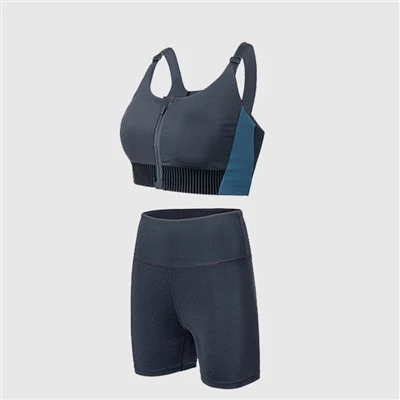
If you’re tired of adjusting your shorts mid-run, dealing with damp fabric, or ending up with chafed thighs after a workout, let’s talk. We build these for guys like you—who want gear that works as hard as you do, no fluff, no unnecessary features, just solutions to the stuff that actually matters. We can hook you up with bulk orders for your team, or send over a few pairs to test for your own running routine. Just reach out, and we’ll make sure you get the right fit and style for what you need.
Training Wear for Women References:
- American Council on Exercise. (2022). “Athlete apparel design: Functional vs. casual clothing for high-intensity movement.” ACE Fitness Journal.
- International Journal of Sports Physiology and Performance. (2020). “Effects of technical vs. cotton athletic wear on thermoregulation and performance during endurance running.”
- Running USA. (2021). “2021 Road Runner Gear Survey: Common pain points and preferences for men’s running apparel.”
- Textile Research Journal. (2019). “Design features of performance shorts for reducing friction and chafing during long-distance running.”
- Journal of Sports Sciences. (2020). “Waistband design and its impact on movement economy and comfort in male endurance runners.”
Faust Garment Co., Ltd.
As one of the most professional training wear for men manufacturers and suppliers in China, our products have good reputation in the market. We warmly welcome you to buy high quality training wear for men made in China here from our factory. Also, custom service is available.
Address: 6th Floor, North Wing of Hengxin Building, No.9, Chifeng Road, Quanzhou City, Fujian, China.
E-mail: Kathywang@faustgarment.com
WebSite: https://www.faustsport.com/
