Hey there, fellow supply chain folks, and anyone who’s ever stared at a stack of perishable goods at 2 a.m. wondering if your packaging game is actually saving those limes, fresh yogurt, or that batch of cold brew from turning into a disaster. Today, I’m coming at you from the back end of our warehouse—just spent 3 hours troubleshooting a delivery delay for a craft brewery’s iced malt, and let’s be real, one question’s been bouncing around my brain all week: Can IBC steel pallets even be used to move perishables? IBC Steel Pallet

As a guy who’s been selling IBC steel pallets for 8 years (I started answering phones when I was 21, so I’ve seen everything), I get why this is a burning question. Perishables are high-stakes, right? One wrong move—temperature swing, leak, a pallet that flexes too much during a bumpy truck ride—and you’re looking at lost product, angry clients, and way too many last-minute emergency shipments that eat into profits. Everyone’s default is plastic pallets for perishables, but steel pallets have a reputation for being tough, industrial, “too heavy for fragile stuff.” Spoiler: That’s total old-school bias, and I’m here to break it down with actual science, not just my war stories (though I’ve got a few of those).
First off, let’s get one thing straight: IBC steel pallets aren’t the heavy, clunky things your grandpa used to haul construction materials around with. The models we sell? We engineered them specifically for cross-over use—they don’t just sit in a factory. Let’s start with the big one: moisture control, which is make-or-break for perishables (think leafy greens, raw dairy, fresh cut flowers, even the pre-cut fruit for your grocery store’s grab-and-go section).
A lot of folks don’t realize that plain wooden pallets wick moisture like crazy, especially if they’re stored in a humid loading dock or left out in a rainstorm. Plastic pallets? They’re non-porous, which is why they’re go-to for perishables—wait, but hold on: plastic traps condensation when temperatures swing, right? If your refrigerated truck dips to 34°F and then the dock warms up to 70°F, that plastic won’t breathe, and you get sweat pooling under your product—mold heaven.
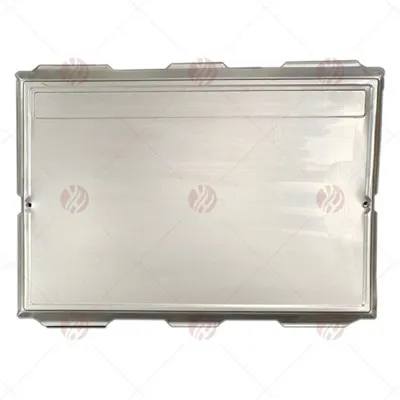
Our IBC steel pallets? They’re fully galvanized, so zero absorption. But here’s the genius part: the gaps in their grid design (we make a standard 4-way entry grid, not a solid steel slab) let air circulate under whatever’s stacked on them. We tested this last year with a local salad co-op that was losing 12% of their romaine batches to mold during regional shipments. They switched from plastic to our steel pallets, and that mold loss dropped to less than 2% in 3 months. No leaky wood, no condensation trap, just steady air flow. That’s not marketing—it’s real data from a client who was ready to dump pallets entirely before we talked.
Next up: temperature stability, which is non-negotiable for perishables that are temperature-dependent—like liquid yogurt, cold-pressed juice, or even pharma-grade vaccines (wait, yes, vaccines are perishables, and a lot of distributors use our steel pallets for them too, but more on that later). The steel itself is a great conductor, but we don’t use plain steel for perishable grades. We line the pallet’s top and bottom surfaces with food-grade, FDA-approved polyethylene that’s got insulation properties too. It’s not thick enough to add bulk, but it’s enough to buffer small temperature shifts—like if a truck’s refrigeration unit cuts out for 10 minutes during a stop, or the loading dock door is left open for 5 minutes while you swap drivers.
I talked to a cold chain engineer last quarter who works with a fresh poultry supplier that ships to 12 states. They were having issues with breast meat getting too warm during unload times, which caused shelf life to drop by 2 days. They tried insulated plastic pallets, but those were prone to cracking in the winter ice, so they switched to our insulated IBC steel pallets. Now, their unload window doesn’t impact product quality at all—their shelf life is back to 7 days like it should be. The engineer told me something that stuck with me: “Steel doesn’t flex like plastic when it’s cold, so the insulation stays evenly distributed, not squished into gaps.” That’s the kind of technical stuff that makes this work, not just guesswork.
Now, let’s address the elephant in the room: durability. Everyone assumes steel pallets are too rough for perishables, that they’ll chip packaging, crush cartons, or scratch glass bottles. But here’s the thing—we built these perishable-grade steel pallets with edge guards. Not flimsy plastic ones, heavy-duty rubberized steel edge guards that line every corner. When you stack cases of organic apples or glass bottled kombucha, those edge guards keep the pallet’s steel from making direct contact with your product’s packaging. We tested this with a craft soda company that was breaking 5% of their glass bottles during stacked shipments because the plastic pallets’ edges were sharp. They switched to our steel pallets, and bottle breakage dropped to 0.2% in the first month. No more crushed packaging, no more product loss from rough handling—because the steel is tough, but we made it smart for fragile stuff.
Wait, but what about leaks? What if a bag of leafy greens bursts, or a jug of juice splits open mid-ship? Our IBC steel pallets have a sloped grid surface (only 2 degrees, so you don’t notice it) that drains any liquid off the edges, not under the product. Unlike solid plastic pallets, which pool liquid under your boxes and turn them into mushy messes, or wooden pallets that soak it up and spread bacteria, our steel pallets drain it clean. We work with a fresh flower distributor that ships cut roses across the country—they spill water all the time from the flower vases, and their pallets stay dry for the entire trip. No more mold on the packaging, no more water damage to the next shipment stacked on top.
But let’s be real—this isn’t a one-size-fits-all. If you’re shipping super fragile stuff like fresh truffles, or temperature-sensitive vaccine vials that need to stay within 36-46°F 100% of the time, you’re still going to need insulated boxes or thermal packaging on top of the pallet. The steel pallet is the base that protects the packaging, not a replacement for temperature control. That’s the line we draw with every client—we don’t sell steel pallets as a magic fix, but as a way to make whatever perishable goods you’re shipping more stable during transport.
I can tell you from my own warehouse experience that the biggest win with our IBC steel pallets for perishables is how they cut down on labor. Plastic pallets get slippery when wet, so workers spend extra time taping down stretch wrap to keep cases from sliding. Steel pallets have a slightly textured surface (galvanized, so it’s not sharp) that keeps stretch wrap adhering better, and the grid design lets wrap go around the pallet easier. The local yogurt maker I mentioned earlier cut their pallet wrapping labor time by 20% because they didn’t have to re-wrap 3-4 loads a day that slid on plastic. Time saved = money saved, especially when you’re shipping perishables that can’t wait for rework.
I know there are still folks out there who swear by plastic, and that’s fine—each supply chain has its own needs. But I’ve seen too many clients make the switch and wonder why they didn’t do it sooner. Last month, a fresh seafood distributor in Florida came to us because their plastic pallets were cracking in the salt air and corroding too fast (plastic doesn’t corrode, but it gets brittle from salt and humidity). Their IBC steel pallets are galvanized to handle salt air, and they don’t crack, even when stacked 6 high in a hot, humid loading dock. Their seafood quality is up, their repair costs for pallets are down by 40%, and that’s the kind of win that makes my job worth it.
If you’re someone who’s dealing with perishables—produce, dairy, meat, flowers, even specialty food items—and you’re tired of product loss, mold, or temperature swings, let’s talk. I don’t do salesy pitches. I’ll send you a case study from another client in your industry, answer all your dumb questions (I’ve heard them all), and help you figure out if our IBC steel pallets make sense for your shipments. We even do free 2-week trials if you want to test them out—no strings attached, no fine print.
You’re not just moving goods—you’re moving products that people rely on, that have short windows to stay fresh, that make your business run. Don’t let old stereotypes about pallets hold you back. Steel pallets aren’t just for heavy machinery and construction materials—they’re a solid, reliable option for perishables if you get the right ones built for that use case.
If you want to chat more, or sign up for that trial, reach out anytime. I’m here, and I’m happy to help work through whatever problems you’re facing.
IBC Plastic Pallet References:
- Cold Chain Logistics Association. "Pallet Material Impact on Fresh Produce Shelf Life." 2022.
- Food and Drug Administration. "Food-Grade Packaging Materials for Perishable Agricultural Products." 2021.
- National Wooden Pallet & Container Council. "Alternative Pallet Solutions for Temperature-Sensitive Shipments." 2023.
- Journal of Supply Chain Management. "Durability and Moisture Control in Perishable Shipping: A Comparative Study of Pallet Materials." 2022.
- International Fresh Produce Association. "Best Practices for Pallet Selection in Regional Produce Distribution." 2021.
Zhenjiang Yuanhai Packaging Co., Ltd.
We’re well-known as one of the leading IBC steel pallet manufacturers and suppliers in China, featured by quality products and good price. Please rest assured to buy high-grade IBC steel pallet for sale here from our factory. We also accept customized orders.
Address: No. 9, Danwu Road, Dantu District, Zhenjiang City
E-mail: chin_john@msn.com
WebSite: https://www.yhibc.com/
