If you’re running a cotton doll business, whether you’re a small indie maker or a full-time supplier, the quality of your stuffing can make or break your finished product. Too many new suppliers overlook this detail: cheap, lumpy stuffing leads to lopsided dolls that lose their shape after a few washes, while overpriced specialty materials eat into your profit margins. Over the past seven years as a cotton doll supplier, I’ve tested every kind of stuffing on the market, dealt with countless supply chain hiccups, and found exactly which sources balance quality, consistency, and cost for bulk orders. Today, I’m breaking down where to buy cotton doll stuffing that works for small to large-scale operations—no fluff, just real advice from someone who’s been there. Cotton Dolls

First, let’s start with what you actually need from doll stuffing, because not all polyester fiberfill is created equal. A lot of suppliers grab the cheapest bulk fiber they can find online, only to discover it clumps after a month, sheds tiny plastic bits through the doll’s seams, or compresses so flat that customers return their products complaining of “dead dolls.” For cotton dolls specifically, the ideal stuffing has three key traits: it’s hypoallergenic (critical for plush toys that end up in kids’ hands), it’s resilient enough to hold its shape through years of hugs and gentle washing, and it’s free of harmful additives like lead or phthalates, per global toy safety standards (ASTM F963 in the U.S., EN 71 in the EU). That eliminates a lot of the random stuff sold on general marketplaces, so you’ll want to stick to suppliers that specialize in textile or toy manufacturing materials.
One of the best places to source bulk cotton doll stuffing is direct from textile mills that produce virgin polyester fiberfill or certified cotton batting. A lot of small suppliers don’t realize that mills sell in bulk bales, often at 20–30% less than what you’d pay on retail marketplaces, because they cut out the middleman. I work with two mills that supply me with 100% cotton stuffing (not poly-blend, which doesn’t have the same soft, squishy feel) that’s GOTS-certified, so it’s safe for organic cotton dolls too. The trick here is to vet mills by asking for their toy safety test reports upfront. A reputable mill will have no problem sending over a copy of their ASTM F963 or EN 71 certification, and they can adjust the fiber’s loft (that’s the fluffy, bouncy quality) to match whatever doll design you’re making. For example, if you’re making a round, chubby baby doll, you want a higher-loft stuffing; for a flat, poseable doll, a lower-loft, denser fiber works better. Just keep in mind that mills usually have minimum order quantities (MOQs), often starting at 500 pounds, so this is best if you’re doing consistent monthly orders. For smaller suppliers or makers who don’t need that much volume, mills might partner with bulk distributors that stock smaller bale sizes—this is where specialty textile distributors come in.
Textile and toy supply distributors are another solid option, especially if you’re balancing medium volume with flexibility. I’ve used a few regional distributors over the years, and they act as a middle ground between mills and small makers. They stock a range of doll-specific stuffings, from hypoallergenic polyester fiberfill to organic cotton batting, and they often carry different grades so you can test small batches before committing to a big order. A huge perk of working with a distributor is that they handle storage and shipping, which is a lifesaver if you don’t have a lot of warehouse space or don’t want to deal with arranging freight directly with a mill. Another advantage is that distributors will often mix small orders for you if you need different lofts or types of stuffing for different doll lines. For example, last year I was launching a line of mini keychain cotton dolls that needed a denser stuffing to keep their shape, while my adult-sized collector dolls needed extra-soft, high-loft stuffing. Instead of placing two separate big orders with the mill, I worked with my distributor to get two smaller, tailored shipments, which saved me on storage costs. The only downside here is that distributors aren’t always global—if you’re based outside of North America or the EU, you might have to pay international shipping fees, so it’s worth checking if they have overseas warehouses.
If you’re a small supplier or a part-time maker with monthly orders under 100 pounds, commercial e-commerce marketplaces tailored to textile supplies can be a great fit—but you have to know how to sort through the noise. Platforms like Alibaba, Aliexpress, or Etsy have a ton of options, but a lot of the sellers there are small manufacturers or even individual makers, so quality can vary wildly. I’d recommend filtering for sellers that have been in business for at least three years, have a high response rate to customer inquiries, and sell specifically to toy or plush suppliers, not just general textiles. A red flag to watch out for: sellers offering stuffing priced way below the average. If a pound of certified doll stuffing costs $1.50 and someone is selling it for $0.80, it’s almost probably a low-grade fiberfill that will clump or shed. I once made the mistake of ordering a test batch from a super cheap Alibaba seller, and within two weeks, the stuffing had compacted so much that my dolls looked deflated. It cost me $200 in returns and ruined a whole production run. To avoid that, always ask for a free sample before placing a bulk order, and test it by pulling a handful apart, compressing it, and checking for any loose bits that would shed through fabric. Also, for international suppliers, confirm that their stuffing meets your region’s toy safety standards—some countries have different regulations, so ask for test certificates before shipping.
Another underrated source for high-quality cotton doll stuffing is upcycled textile suppliers, but only if you’re working on sustainable doll lines. A lot of small to mid-sized cotton doll suppliers are leaning into eco-friendly products these days, and upcycled stuffing fits right in. These suppliers take post-consumer or post-industrial cotton scraps (like fabric cuts from clothing factories or leftover cotton bedding) and turn them into soft, washable stuffing. I started testing upcycled stuffing three years ago for my “eco-mini” doll line, and it’s been a hit with customers who prioritize sustainability. The key here is to make sure the upcycled stuffing is properly cleaned and sanitized—ask the supplier about their cleaning process to ensure it’s free of bacteria, dyes, or chemicals. Also, note that upcycled stuffing usually has a slightly different texture than virgin cotton, so it’s best for dolls where a unique, organic feel is a selling point, not a downside. The big plus is that upcycled stuffing is often cheaper than virgin cotton, and it appeals to a growing segment of your customer base.
No matter where you decide to buy your cotton doll stuffing, there are a few non-negotiables that will save you time and money in the long run. First, always test small samples before bulk ordering. Even if a supplier has great reviews, what works for another supplier’s doll might not work for yours. A sample test takes 10 minutes and can save you from a full order of bad stuffing that you can’t use. Second, lock in consistent quality. I’ve had suppliers send me great stuffing for the first three orders, then switch to a lower grade to cut costs. So, build a relationship with your supplier—ask for updates on their fiber batches, and schedule monthly quality checks. Most reputable suppliers will work with you to adjust their production to meet your specific needs. Third, factor in shipping and MOQs. If a supplier has a great price but requires a 1,000-pound MOQ, make sure you have the demand to sell that much stuffing before committing. It’s better to pay a few cents more per pound for a supplier with a lower MOQ and reliable shipping than to tie up your cash in excess material that will go bad in storage.
At the end of the day, the right cotton doll stuffing is about balancing quality, cost, and consistency. For suppliers just starting out, small-volume textile distributors or vetted e-commerce marketplace sellers are the easiest way to test and scale. For larger suppliers with steady demand, direct mill orders will give you the best value and customization options. If sustainability is a priority, upcycled stuffing is a fantastic, budget-friendly alternative that sets your dolls apart.
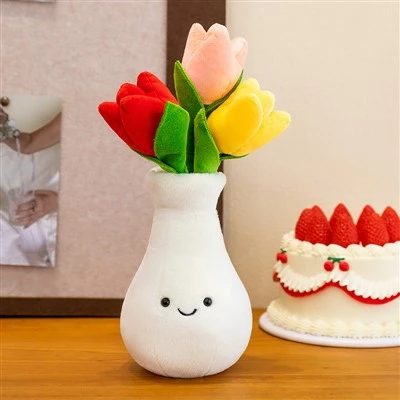
If you’re looking to refine your doll stuffing setup or source bulk, high-quality cotton stuffing tailored to your line, our team has years of experience matching suppliers to reliable, regulated material sources. We work with buyers across all scales, from small indie creators to mid-sized doll brands, to streamline their supply chains and cut down on production hiccups. Reach out to our team to discuss your specific stuffing needs, test samples, or negotiate bulk pricing that fits your budget.
Rabbit Plush Toys References
Consumer Product Safety Commission. (2023). Toy Safety Standards: Polyester Fiberfill and Cotton Batting Requirements for Plush Toys.
Global Organic Textile Standard (GOTS). (2022). Certification Guidelines for Organic Textile Fillers in Consumer Products.
Textile Institute. (2021). Best Practices for Sourcing Bulk Textile Materials for Toy and Plush Manufacturing.
European Committee for Standardization (CEN). (2020). EN 71-12: Safety of Toys – General Requirements for Chemical Substances in Filling Materials.
Shenzhen Newhorse Toys Co., Ltd.
Shenzhen Newhorse Toys Co., Ltd. is one of the most professional cotton dolls manufacturers and suppliers in China. We have world-leading production equipment and strong manufacturing capabilities. Please feel free to buy bulk cotton dolls at competitive price from our factory. Welcome to contact us for quotation and free sample.
Address: Room 101, Building 2, Fuguangyuan Factory, No.105 Longhu Road, Longdong Community, Baolong Subdistrict, Longgang District,Shenzhen,Guangdong, China
E-mail: info@newhorsetoys.com
WebSite: https://www.newhorsetoys.com/
