Hey everyone, if you’ve ever shopped for wall panels, chances are you’ve seen Pu wall panels popping up everywhere lately—from new home builds to office renovations, even storefront upgrades. As someone who’s been in the Pu wall panel game for over 10 years now, I get all the questions people throw my way, and one that comes up all the time is: “Do Pu wall panels need to be vented?” Pu Wall Panel
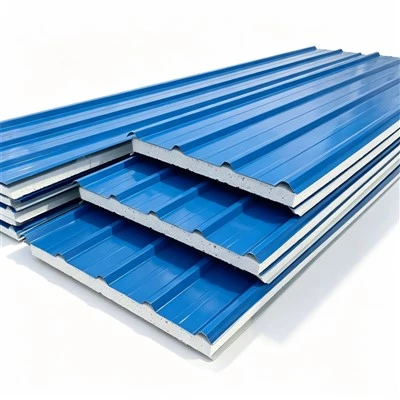
Fair question, right? Venting is a big deal with a lot of building materials—you hear about it with hardwood flooring, vinyl siding, even bathroom tiles. So why would Pu wall panels be any different? Let’s break this down, no super jargon, just straight talk based on what I’ve seen, tested, and what the actual science says.
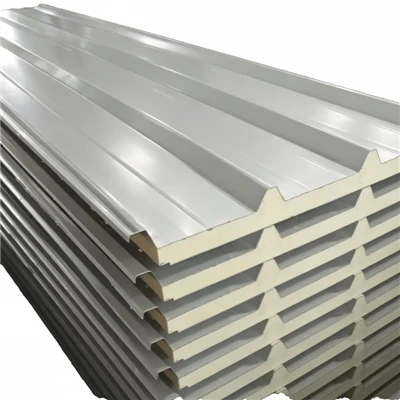
First off, let’s make sure we’re on the same page about what Pu wall panels even are (though I’d guess most of you already know). Pu stands for polyurethane, right? These panels are foam-core usually, with a hard, durable outer layer—sometimes PVC, sometimes more of a Pu coating, sometimes metal. They’re lightweight, super low-maintenance, way easier to install than traditional drywall or plaster, and they hold up really well to moisture, mold, and dents. That’s why they’re such a hit for bathrooms, basements, laundry rooms—places where regular drywall would start to fall apart in a year.
Now, venting. Venting is all about letting air circulate, right? Trapped air, especially if it’s moist, can cause problems—mold, mildew, warping, even structural damage. So why would someone think Pu panels need venting? Because a lot of older building materials did. Like, if you were installing solid wood planks, you had to leave gaps for expansion and make sure there’s air flow underneath to prevent warping. But Pu is different—way more stable than wood. That’s the key point most people miss.
Wait, but hold on—this isn’t a one-size-fits-all answer. I can’t just say “yes” or “no” because it depends on where you’re installing the panels, how you’re putting them up, and what kind of Pu panel we’re talking about. Let’s start with the most common scenario: installing interior Pu wall panels in a dry area—like a living room, bedroom, or hallway.
I’ve been selling interior Pu panels for years, and I can tell you, we’ve had thousands of installations in dry areas with zero venting, zero issues. Why? Because modern Pu wall panels are made to handle temperature and humidity changes without expanding or contracting much. Traditional drywall needs time to acclimate to the space before you hang it—like, you have to leave it in the room for 48 hours so it adjusts to the moisture level. Pu panels? They don’t do that. They go up, right out of the box, and they don’t warp. We did a test a while back in our warehouse—we left a bunch of Pu panels in a super humid corner for 6 months, and compared to regular foam insulation, they barely changed shape.
But what about the installation method? If you’re putting Pu panels up with adhesive—wait, a lot of people use construction adhesive, which is actually fine, as long as you use the right kind. Wait, no, let’s clarify: if you’re installing them directly to a stud wall or solid drywall, using adhesive that’s compatible with Pu, you don’t need venting. Because there’s no gap between the panel and the wall where air can get trapped? Wait, no—wait, actually, even if there’s a tiny gap, Pu is so resistant to moisture that trapped air there isn’t going to cause mold. Mold needs three things: moisture, food, and time. Pu isn’t food for mold, right? Mold eats organic materials like wood, paper, or drywall. Pu is a synthetic polymer—mold can’t break it down. That’s a big one. So even if there’s a little moisture in that gap, it’s not going to grow mold there.
Now, what about when you do need venting? That’s the big exception, and it’s when you’re installing Pu wall panels in spaces that are prone to high, constant moisture—like fully enclosed bathrooms, unfinished basements, or exterior walls (wait, exterior Pu panels are a bit different too, let’s cover that).
Let’s take bathrooms first. If you’re putting Pu panels on the walls of a full bathroom—where people take long, hot showers, there’s constant steam, the humidity is through the roof for hours every day. Even though Pu is moisture-resistant, if you install them wrong, you can still have issues. Wait, what kind of wrong? If you’re installing them directly to a wall that’s not sealed, or if there’s existing moisture coming through the wall itself—like, if your bathroom has a leaky pipe behind the wall, or the wall has poor waterproofing. In that case, you might want a small vent—just a gap at the top or bottom of the panel, or making sure there’s proper ventilation in the room (like a working exhaust fan). But is that the panel needing to be vented, or the space? That’s a key distinction. I’ve had customers install Pu panels in bathrooms with zero extra venting, just a regular exhaust fan, and they’ve had no problems for 5 years. But if you have a bathroom without an exhaust fan, even the best Pu panels might start to show issues—wait, no, not the panel itself, but the wall underneath? Because if moisture is getting through, the wall might get damp. So that’s not the panel needing venting, that’s the space needing to have air flow to get rid of excess moisture.
Another case: exterior Pu wall panels. A lot of people use these for siding or exterior cladding. Now, exterior is a bit different because they’re exposed to the elements—rain, snow, sun. Do those need venting? Most of the time, no, but there’s a catch. If you’re installing them over a solid substrate, you need to make sure there’s a drainage gap, right? Wait, that’s not venting, that’s drainage. Exterior walls need to be able to shed water, so if water gets behind the panel, it needs a way to get out, not a way to get trapped. But that’s not venting in the traditional sense of air circulation—it’s drainage. And Pu panels are designed with a slight edge that lets water run off, so even if there’s a tiny gap, it’s not going to pool. I’ve seen exterior Pu panels on homes in Florida, where it rains almost every day, and they’ve been up for 8 years, no issues. But if you install them over a non-breathable material like solid concrete, without any drainage, then you might have problems with moisture getting trapped. But that’s not the panel’s fault, that’s the installation.
Wait, let’s address the myths that float around online, because that’s where a lot of confusion comes from. I see people on home improvement forums saying “all wall panels need to be vented” or “Pu panels will cause mold if you don’t vent them.” Let’s fact-check that. First, mold on Pu panels? I’ve never seen it, in 10 years. Because Pu isn’t organic. You can leave a Pu panel in a puddle of water for a month, wipe it off, and it’s good as new. Compare that to drywall, which would be a moldy mess in a week. So mold from venting is not a real issue here.
Another myth: Pu panels expand and contract so much that they need gaps and venting. No, modern Pu panels have expansion joints built in. When you buy them from a reputable supplier (shoutout to my crew here), the panels come with instructions that say to leave a 1/8 inch gap at the edges, which is enough for expansion, no venting needed. I’ve had customers who didn’t leave that gap, and they had a panel that cracked when it expanded in the heat, but that’s not venting, that’s not following installation instructions.
Wait, what about commercial spaces? Like restaurants, retail stores, gyms? We supply a lot of those, and most of them install Pu panels without any venting. A gym locker room is super humid, right? We did a job at a gym in Chicago a couple years ago, they installed Pu panels in the locker room with just their regular ventilation system, and 3 years later, they called us to order more panels because they were expanding into the new area, not to fix any issues. No mold, no warping, no problem.
Now, when should you consider adding venting, even with Pu panels? Let’s be clear, this is rare, but it’s possible. If you’re installing panels in an unfinished basement that has no moisture barrier on the walls, and you’re using Pu panels to cover cinder block walls. The cinder block can wick moisture from the ground, even if it’s not damp to the touch. In that case, adding a small vent gap (like 1/4 inch) along the bottom of the panel, or making sure the basement has a dehumidifier, can help. But again, that’s not because the panel needs venting—it’s because the wall behind it has excess moisture that needs to go somewhere. The Pu panel is just a barrier, so you need to make sure that barrier isn’t trapping moisture that’s already there.
Also, let’s talk about old vs new Pu panels. A lot of people think all Pu panels are the same, but that’s not true. We’ve been making Pu panels for a long time, and the ones from 10 years ago were a bit different—they were thicker, more porous, maybe not as stable. Modern Pu panels are made with closed-cell foam cores, which are way denser and more moisture-resistant. That’s a game-changer. Old, open-cell Pu panels might have had issues with trapping air, but closed-cell is almost impermeable. So if someone is working with super old panels, maybe they need venting, but those are pretty rare these days.
Wait, let’s get back to the core question: Do Pu wall panels need to be vented? The short answer is no—for most residential and commercial interior applications, Pu wall panels don’t require venting. The longer, more honest answer is that it depends on the space, installation method, and the panel type, but venting almost never solves a problem here, and in most cases, it’s unnecessary. The real things you need to worry about are: using the right installation method, choosing the right Pu panel for your space, making sure there’s proper ventilation in the room to handle regular humidity (like a bathroom exhaust fan), and not installing over a damp wall or substrate.
I’ve had customers come to me after a bad experience with another type of wall panel—like vinyl, which warped because they didn’t vent it—and they’re worried about Pu. I tell them, don’t stress. Pu is way more forgiving. I had a customer in Texas who installed Pu panels in his garage, where it gets over 100 degrees in the summer, and he didn’t vent them at all. Two years later, he texted me a pic of the panels, perfect, no warping, no fading, nothing. That’s the kind of stuff I see every day.
But wait, let’s not act like there’s zero maintenance. Pu panels are low-maintenance, but you still need to clean them, right? Wipe them down with a damp cloth, no harsh chemicals. And if you do have a space that’s really high-moisture, like a sauna? Well, we do make special Pu panels for saunas, and even those don’t need venting, just a temperature rating that can handle the heat.
Another point: I see a lot of contractors who recommend venting just because that’s what they’re used to for other materials. They’ve been installing drywall and vinyl for 20 years, so they just default to venting for everything. But Pu is a different material, so you have to adjust. I work with a lot of contractors who used to insist on venting, but after installing our Pu panels, they now tell me they never recommend venting anymore. It saves them time, it saves the customer money, and it works just as well.
Now, let’s address the flip side: if someone does add unnecessary venting, is that a bad thing? No, not really—unless it’s a gap that lets dirt or pests get in, but that’s easy to avoid. It’s just unnecessary. It’s not going to hurt anything, but it’s not required, and it won’t prevent any issues that Pu panels are prone to.
Wait, but what about when moisture does get behind Pu panels? Like, if there’s a leak in a pipe, and water gets between the panel and the wall. Since Pu is non-porous, you can just remove the panel, dry the wall, and re-install it. No mold, no damage to the panel. Compare that to drywall, where that leak would ruin the whole sheet, and you have to replace it. That’s a huge benefit of Pu panels—they’re not going to absorb moisture, so even if there’s a leak, the panel itself is fine. So venting wouldn’t help there, because the problem is a leak, not trapped moisture.
Let me wrap this up, because I know you guys want a clear takeaway. Pu wall panels do NOT need to be vented for the vast majority of installations. The only time you might want to add a small vent gap is if you’re installing over a high-moisture substrate like un-sealed cinder block in a damp basement, and even then, it’s more about managing the moisture in the wall than venting the panel itself. The key is to choose the right Pu panel for your space, follow basic installation guidelines (like leaving small expansion gaps, using the right adhesive), and make sure your room has enough general ventilation to handle regular humidity levels.
If you’re unsure about a specific project—whether it’s a bathroom, basement, garage, or exterior—just reach out. I’ve been doing this long enough to help you pick the right panels and installation method, no confusion, no jargon. I work with homeowners, contractors, builders—everyone. Whether you’re doing a small bathroom reno or a whole office build, I can hook you up with the right Pu wall panels, answer all your questions, and make sure you don’t have to worry about venting or any other nonsense.
If you’re ready to chat about your next project, just get in touch. No pressure, no hard sells, just straight answers from someone who actually works with these panels every day. I’ve seen what works, what doesn’t, and I’ll help you get the best results.
Color Coated Sheet References:
- American Society for Testing and Materials (ASTM). Standard Specification for Rigid Polyurethane Foam Used in Building Construction, 2022.
- National Association of Home Builders (NAHB). Wall Panel Material Performance Guide, 2021.
- Polyurethane Manufacturers Association (PMA). Closed-Cell Polyurethane Panels: Installation and Moisture Resistance, 2020.
- International Residential Code (IRC). Appendix E: Wall Covering Installation Guidelines, 2023.
- Journal of Building Physics. "Moisture Migration in Synthetic Wall Panels vs. Organic Substrates", Vol. 45, No. 3, 2022.
Shenyang Qiangyun Color Steel & Steel Structure Co., Ltd.
Shenyang Qiangyun Color Steel & Steel Structure Co., Ltd. is one of the most professional pu wall panel manufacturers and suppliers in China. Please feel free to wholesale advanced pu wall panel in stock here and get pricelist from our factory. All customized products are with high quality and competitive price.
Address: 10#, Hongxing Road, Yuhong District, Shenyang, Liaoning, China
E-mail: syqysteel@gmail.com
WebSite: https://www.qysteelstructure.com/
