If you’ve ever been around the LSR vertical injection molding world, you’ve probably heard this question a hundred times: “What’s the max part weight I can push through one of these machines?” And if you’re a molder or product designer, it’s not just a random curiosity—it can make or break your project. Way too many folks overestimate (or underestimate) what their vertical LSR setup can handle, and that’s where we see delays, wasted material, and even broken equipment. As a supplier of vertical LSR injection molding machines, we get this question every single week, and while there’s no one-size-fits-all number, there are solid, practical rules that come from years of seeing what works (and what doesn’t). LSR Vertical Injection Molding Machine
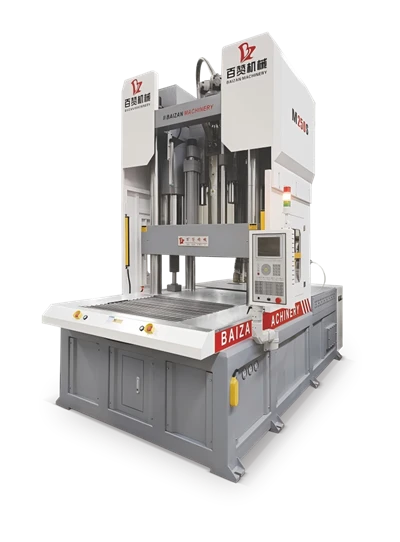
First off, let’s get one thing straight: when we talk about max part weight for vertical LSR molding, we’re not just talking about the weight of the cured part. LSR is liquid silicone rubber, right? It’s a low-viscosity, two-part material that’s mixed right before injection, and it has a unique curing curve. So the weight of the shot (the amount of uncured LSR you inject into the mold) is way more important than the final part weight. If your part has a lot of thin, complex features—like medical seals, O-rings, or tiny gaskets—your final part weight might be only a few grams, but you might need a slightly higher shot capacity to make sure all those nooks and crannies fill properly. On the flip side, if you’ve got a thick, solid LSR part—like a large wrist brace component or a heavy-duty automotive grommet—you might have a final part that’s several hundred grams, but you need to check if your vertical machine has enough clamping force to hold the mold closed while that much material cures.
Wait, clamping force, that’s the big one people often mix up. A lot of new molders look at machine tonnage and immediately think, “More tonnage = bigger parts.” But with vertical LSR molding, it’s not just tonnage—it’s the shot size and the material viscosity, too. Let’s break down why that matters. LSR has a viscosity range of about 10,000 to 100,000 cP, which is way lower than thermoplastics, so it flows way easier. That means you don’t need nearly as much clamping force as you would for the same weight of a polypropylene or ABS part. For example, a 100g thermoplastic part might need 50 tons of clamping force, but a 100g LSR part? You’re probably looking at 10 to 15 tons max. That’s why our vertical LSR machines aren’t built with the 500+ ton frames you see for big thermoplastic parts—they’re sized for the specific needs of liquid silicone.
Now, let’s talk about actual numbers, because that’s what everyone here is here for. From our experience and the data we’ve compiled with molders across industries, the average max part weight for a standard vertical LSR injection molding machine is between 200 grams and 1,000 grams. But before you get too excited, that’s the upper end of what we’d call “standard”—and even at 1,000 grams, you have to be careful. We’ve had customers come in saying, “We need a 1,500g LSR part,” and when we ask for details, it turns out their part is a solid block with zero complex features, so we can work with a slightly modified machine. But if they’re talking about a 1,500g part with a bunch of thin ribs or undercuts? That’s a non-starter with a vertical LSR machine. Horizontal molding might work there, but verticals are built for smaller, precise, complex parts, not super-heavy solid ones.
Wait, let’s clarify that horizontal vs. vertical thing, because it ties directly to part weight. Vertical LSR machines have the injection unit mounted vertically above the mold, right? That design is perfect for overmolding, insert molding, and parts that need tight tolerances—like medical device components, phone seals, or baby product parts. But the vertical orientation also means that the shot barrel is shorter, and the pressure from the injection is more focused downward, which limits how much material you can push through in a single shot. Horizontal machines have longer barrels, so they can handle larger shot sizes, but they’re less flexible for inserts and complex geometries. So if you’re dead set on a vertical machine, you’re already limiting yourself to smaller shot/part weights—usually under 1,000g, unless you go for a custom build.
Now, what are the factors that change that number? Let’s list the big ones, because these are the things that will make your part way lighter or heavier than the average. First, part complexity. Like I said earlier, if your part has thin walls (under 1mm) or lots of small cavities, you might need to add a little extra shot to make sure all the cavities fill evenly. For example, a 50g part with 10 tiny cavities might need 60g of shot, just to avoid short shots. That extra 10g might push you over the edge of your machine’s rated shot capacity, so you have to adjust. Second, material hardness. LSR comes in shore hardness from 10A (super soft, like a kitchen spatula) up to 80A (pretty firm, like a car tire). Softer LSR flows easier, right? So a 200g part in 20A LSR will need less injection pressure, which means you can use a slightly smaller machine than you would for a 200g part in 80A LSR. If you’re working with a harder LSR, you might need a machine that’s rated for a higher shot size, because the stiffer material needs more pressure to flow, and that pressure can take up more of your machine’s capacity.
Third, mold design. This is a huge one that most people sleep on. If your mold has a cold runner system or hot runner system? Hot runners reduce material waste and let you inject material more evenly, so you might be able to get a larger part weight than you could with a cold runner. Also, how many cavities are you running? A two-cavity mold for a 500g part is way easier than a 16-cavity mold for the same total weight—more cavities mean more flow paths, so you need higher pressure, which limits your shot size. We had a customer last year who tried to run 8 identical 150g LSR parts in one mold, total shot weight 1,200g, on a 100-ton vertical machine. They kept getting short shots, and when they called us, we looked at their mold and realized their cold runners were too narrow, so the pressure was dropping too much. We helped them rework the runner system, and they were able to get it down to 1,100g total shot, which worked on their existing machine. That’s the kind of thing that makes the max part weight shift—your mold isn’t just a tool, it’s a key factor in how much you can mold.
Let’s talk about the exceptions, because rules are made to be broken (but only if you know what you’re doing). We’ve had a handful of customers who’ve molded parts up to 1,800g on vertical LSR machines, but those are custom builds. What does a custom build entail? First, a larger shot barrel—standard vertical LSR barrels max out around 1,500g shot, but custom ones can go up to 3,000g if needed. Second, a reinforced clamping unit, because the pressure from 1,800g of LSR is higher than most standard vertical machines are built for. Third, a modified injection unit that can handle the material flow for that size part without degrading the LSR. But even with a custom build, we don’t recommend going over 2,000g for vertical LSR molding—beyond that, you’re better off going horizontal, because the cost of a custom vertical machine will be way higher than a standard horizontal setup.
Now, what happens if you push a vertical LSR machine beyond its max part weight? We’ve seen this, and it’s not pretty. First, short shots—parts that don’t fill all the way, which means scrap material and wasted time. Then, flash—uncured LSR seeps out of the mold, which is a pain to clean up, and can ruin molds if it’s happening regularly. Worse, you can damage the machine itself: too much injection pressure can bend the tie bars, wear out the shot barrel, or even crack the mold. One customer tried to run a 1,200g part on a 200-ton vertical machine (way over its rated 800g max shot), and they ended up with a cracked mold that cost them $15,000 to replace, plus a week of downtime. That’s the kind of mistake you don’t want to make, so checking your machine’s rated shot capacity and matching it to your part’s needs is non-negotiable.
Wait, let’s circle back to how we at a vertical LSR machine supplier calculate this for customers, because it’s not just pulling a number out of thin air. First, we ask for two key numbers: the final part weight, and the shot weight (which is part weight plus runner weight, usually 10-20% of the part weight for cold runners, 5-10% for hot runners). Then we factor in part complexity, LSR hardness, and number of cavities. For example: a customer wants to mold a 300g medical seal, soft LSR (20A), 4 cavities, hot runner system. Their shot weight will be 300g + 30g runners = 330g. That’s way under the standard vertical machine’s 800g shot capacity, so we can point them to a mid-sized machine. Another customer wants a 900g solid automotive grommet, 60A LSR, 1 cavity, cold runner. Shot weight is 900g + 180g runners = 1,080g. That’s over the standard 800g, so we can either recommend a slightly larger standard machine rated for 1,200g, or a custom build if they need more down the line.
Also, don’t forget about cure time. LSR cures fast—usually 10 to 60 seconds per shot, depending on thickness. But if you’re molding a larger part, cure time goes up, which means you might need a machine that can handle longer cycle times, but that doesn’t directly affect part weight. Still, it’s something to keep in mind when sizing your machine.
Here’s the thing we want customers to walk away with: the max part weight for vertical LSR injection molding isn’t a fixed number like 1kg or 2kg. It’s a calculation that depends on your part, your mold, and your LSR material. The biggest mistake we see is people looking at a machine’s tonnage rating and guessing at part weight, instead of focusing on shot size. Tonnage is important, but shot size is the real limiting factor for part weight with vertical LSR.
If you’re still stuck trying to figure out what size machine you need for your project, don’t guess. We’ve helped dozens of molders tweak their part designs, adjust their molds, and pick the right machine to hit their weight and production goals. Whether you’re molding small medical components or larger industrial LSR parts, we can walk you through the numbers, no sales pitch, just real advice from people who work with vertical LSR machines every day. The last thing you want is to buy a machine that’s too small, or too big, and end up wasting time and money.
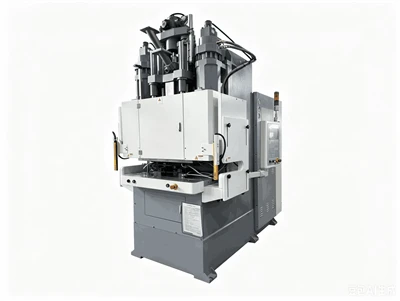
If you’re ready to talk through your specific project, reach out to us. We’ll send over a quick checklist to get the details we need (part weight, LSR hardness, mold type, number of cavities) and give you a clear idea of what works for a vertical LSR setup. No jargon, no hidden fees, just straight talk about what you can actually mold with a vertical machine. Because at the end of the day, we’re here to help you get your parts right, without the hassle.
Two Shot Vertical Injection Moulding Machine References:
- International Rubber and Plastic Association. (2022). Vertical Injection Molding for Liquid Silicone Rubber: Capacity and Application Guidelines.
- Molding Technology Journal. (2023). Shot Size vs. Tonnage: Key Considerations for LSR Vertical Molding.
- Medical Device Manufacturing Resources. (2021). Precision LSR Molding for Small-to-Medium Part Production.
- Automotive Plastics and Rubber Council. (2022). Material and Equipment Specifications for LSR Automotive Components.
Guangdong Baizan Intelligent Equipment Co., Ltd.
We are one of the most professional lsr vertical injection molding machine manufacturers and suppliers in China. We warmly welcome you to buy customized lsr vertical injection molding machine at competitive price from our factory. If you have any enquiry about pricelist and quotation, please feel free to email us.
Address: No.8, Jianye Road, Dahuai Town, Enping City, Jiangmen City, Guangdong
E-mail: wjx@baizanjx.com
WebSite: https://www.baizanplast.com/
