If you’ve ever walked past a construction site, odds are you’ve seen hundreds of steel bars sticking out of wet concrete, looking like giant gray toothpicks propped up everywhere. As a steel bar supplier, I get asked all the time: why even bother with these things? Why not just use concrete alone to hold up buildings, bridges, and parking garages? The truth is, it all comes down to a basic quirk of how two materials behave, and that quirk is the exact reason steel bars are non-negotiable for almost every structure built these days. Let’s break it down like I would when I’m explaining it to a new contractor who stops by my warehouse—no stuffy engineering jargon, just real talk. Steel Bar

First, let’s talk about concrete. It’s amazing stuff, right? Mix a little cement, sand, gravel, and water, and it hardens into something strong enough to hold a coffee table, a patio, even the foundation of a two-story house. But here’s the dirty secret no one tells you: concrete is incredibly strong when it’s being squished, but it’s garbage when it’s being pulled apart. Think about that big concrete slab in your driveway. If you park a semi truck on it, that slab can hold thousands of pounds without cracking. But if you take a sledgehammer and try to bend that same slab—pull the top up and push the bottom down, like when you try to lift a corner of the driveway to fix a root under it—it’ll snap like a cookie in two. That tension, when a material is being stretched or bent apart, is where concrete fails hard. Engineers call this a “tensile strength,” and concrete’s is super low—like, 10 times lower than its compressive strength. That’s why a concrete beam spanning two walls will break in the middle when cars drive over it, not because it can’t hold weight, but because it can’t handle the stretch on the bottom edge.
Now, steel. Grab a paper clip and try to bend it back and forth a few times. What happens? It doesn’t snap right away—you can bend it, flex it, and it doesn’t break until you work it too many times. That flexibility, the ability to stretch and bend without shattering, is exactly what steel brings to the table. Steel has a tensile strength that’s like 200 times higher than concrete’s. So when you embed steel bars, also called rebar, into concrete, you’re combining the best parts of both materials: concrete crushes like a champ, steel stretches like a champ. Together, they cancel out each other’s weaknesses. It’s like pairing a super strong bodybuilder who can lift heavy stuff (concrete’s compressive strength) with a gymnast who can twist and bend without breaking (steel’s tensile strength). No more concrete beams snapping under tension, no more wobbly structures that can’t handle wind or earthquakes.
Wait, but why not use a different material instead of steel? Like, fiberglass or something? I get that question all the time too. Let’s be real: steel is cheap, it’s easy to shape, it’s super abundant, and it plays nice with concrete in a way few other materials do. You might not know this, but concrete expands and contracts with temperature changes, right? Hot days make it swell, cold days make it shrink. Steel does the exact same thing at almost the same rate. That’s a huge deal. If you used something else, like aluminum, which expands twice as fast as concrete, or fiberglass, which expands way slower, the two would pull apart over time. You’d get cracks, gaps, and eventually, the whole structure would weaken. Steel matches concrete’s thermal expansion like a key in a lock—no separation, no gaps, just a solid bond that lasts for decades.
Another big one? Corrosion. Wait, hold on, I know what you’re thinking—steel rusts, right? How is that a good thing? Hear me out. The steel we use for rebar isn’t just plain steel. A lot of it has a protective coating, like epoxy, or it’s made from corrosion-resistant alloys that slow down rust. And even if it does rust, when steel rusts, it expands. That’s actually a plus in concrete? No, wait, no—wait, let’s correct that. If concrete cracks, water gets in, the steel rusts, and the rust expands, which makes the crack worse. But good installation practices, like covering rebar with enough concrete (so water can’t get to it) mean that rust is a problem for old structures, not new ones. And compared to any other reinforcing material, steel’s corrosion can be managed way easier, and it’s way cheaper to replace or repair if it does become an issue. Fiberglass rebar is nice and all, but it’s 3 to 4 times more expensive than steel, which is a huge deal for contractors working on tight budgets on big projects.
Let’s talk about real examples, not just theory. The Golden Gate Bridge? It has miles and miles of steel cables, but the concrete anchorages that hold the cables to the land? Those are packed with rebar. Without that steel, the concrete would stretch and crack, and the whole bridge would shift. The Empire State Building? Its foundation is a massive concrete slab, reinforced with millions of pounds of rebar, so it can hold the weight of the 102 stories above it without sinking into the ground. Even your local elementary school’s playground? The concrete for the slides and the walkways has rebar inside, so when kids run back and forth, the concrete doesn’t crack from all the bending. I worked on a job last year where a contractor was trying to build a small warehouse without rebar—cutting costs, they said. Six months later, the concrete floors had huge cracks across them, because the heavy forklifts they used to move inventory were bending the floors right down the middle. They ended up ripping the whole floor out and doing it again with rebar, costing them twice as much as if they’d just done it right the first time. That’s the kind of mistake I see all the time—skipping rebar to save a few bucks, only to spend way more later fixing problems.
Now, let’s get into the practical side of being a steel bar supplier. When a contractor orders rebar, it’s not just a one-size-fits-all thing. We carry different grades for different jobs. Grade 40 is your basic, go-to rebar for residential driveways and small porches. Grade 60 is the workhorse for commercial buildings, bridges, and parking garages—it’s stronger, can handle way more tension, and is the most common grade we ship out. We also have Grade 75 for heavy-duty stuff, like overpasses or industrial warehouses that hold super heavy machinery. And we don’t just sell the bars themselves—we ship them cut to size, bent to the exact shape a job needs, even deliver them right to the site so contractors don’t have to waste time driving to pick them up. That’s a big part of why we’re a go-to supplier for so many local builders—we make their lives easier, not just sell them steel.
Wait, another thing a lot of people don’t know: rebar isn’t just for straight bars. We sell tied rebar cages, too—those are frames made by tying steel bars together with wire, which are used for things like bridge pillars, building columns, and foundations. You stick the cage in the ground, pour concrete around it, and you’ve got a structure that can hold thousands of tons of weight without bending. I had a guy come into our warehouse last month, he was building a new apartment complex, and he ordered 500 rebar cages for the foundations. He said he used a different supplier last year, and the cages were bent wrong, so they didn’t fit right, and he had to fix them on site, costing him two extra days of work. Since he switched to us, he’s already placed three more orders for different jobs. That’s the kind of repeat customer we love—they know we deliver quality, on time, no headaches.
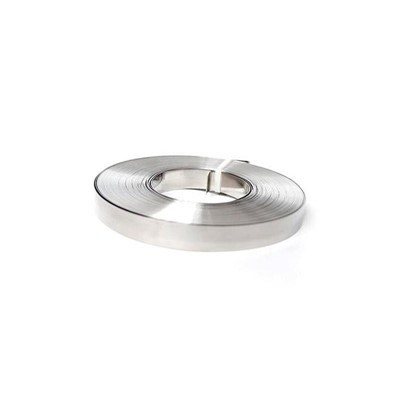
Let me wrap this up like I would to a contractor who’s been listening, and is probably thinking about their next big project. Steel bars aren’t just some random construction material—they’re the reason concrete works for every structure we rely on. They fix concrete’s biggest flaw, they play nice with concrete over decades, they’re affordable, and they’re easy to work with. Skip them, and you’re setting yourself up for cracks, repairs, and way more costs down the line. If you’re planning a build, whether it’s a small driveway, a new warehouse, or a big bridge, we’ve got the rebar you need, in the grade, size, and shape you need it, delivered when you need it. Hit us up to talk through your project—we’re here to make sure you get the right steel bars, no fluff, no extra hoops to jump through.
Steel Strip References
- American Concrete Institute. Reinforced Concrete Design. 2019.
- Steel Manufacturers Association. Rebar Specifications and Applications. 2022.
- National Association of Home Builders. Residential Construction Materials Guide. 2021.
- Federal Highway Administration. Bridge Construction Materials and Methods. 2020.
Shanxi Midas Industrial Co., Ltd.
We’re known as one of the most professional steel bar manufacturers and suppliers in China. With abundant experience, we warmly welcome you to buy cheap steel bar made in China here from our factory. For price consultation, contact us.
Address: 28th, Huanqiu Jinrong Zhongxin, Xieyuan Road, Changfeng Business District, Taiyuan City, Shanxi Province, China
E-mail: midassteel@163.com
WebSite: https://www.midassteel.com/
