Hey everyone, let’s cut to the chase—if you’re a knitter, a designer, or even just someone who’s ever oogled a super cool yarn at a craft store, you’ve definitely stumbled on “fancy yarn” at some point. You know the stuff—those bouclé skeins with tiny looped tufts, slub yarns that have those thick, uneven nubs, chenille that’s so soft it feels like a cloud, or even that metallic lurex stuff that catches the light like little star dust? I’m the go-to fancy yarn supplier for a lot of independent brands and small-batch knitters out there, and the question I get more than any other? “Can you even machine knit this stuff?” Spoiler alert: the short answer is yes, but it’s way less simple than just throwing any yarn on a standard knitting machine. Let me break this down like I’m chatting with a fellow yarn nerd over a cup of coffee, no stuffy jargon allowed. Fancy Yarn
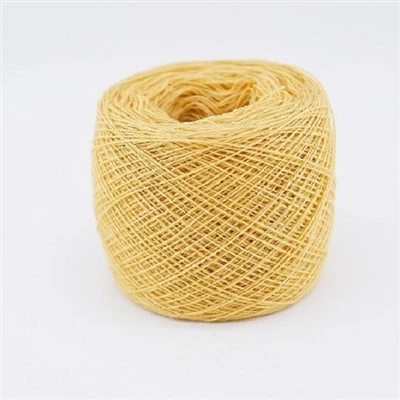
First, let’s get on the same page about what “fancy yarn” actually means, because it’s such a broad term. For me (and a lot of the folks I work with), fancy yarn is any yarn that’s not a plain old single-ply or two-ply regular yarn. It’s the stuff with deliberate, eye-catching texture that takes a basic knit piece and makes it look like it’s got way more personality—think bouclé, slub, chenille, ribbon yarn, knot yarn, even that hairy mohair mix with a few neon threads woven in. All these are intentional deviations from the “uniformity” of basic yarn, which is exactly why hand knitters love them, and why machine knitting has always had a reputation for being fussy with them.
Let’s talk about the elephant in the room: most standard domestic knitting machines (like the ones you see in craft rooms—Brother, Singer, those smaller, home-use ones) are built for plain, consistent yarn. Their tension mechanisms, needle gauges, and feed systems are calibrated to handle yarn that’s the same thickness, smooth, and doesn’t have any protruding bits or bulk. That bouclé yarn with all those loops? If you shove that through a standard domestic machine, those loops will get caught on the needles, tangle in the tension disks, or just snap mid-row. Slub yarns, which have those random thick and thin spots, throw off the machine’s tension—one row you’ve got a thick spot that won’t feed right, the next a thin spot that’s too loose, and you end up with a wonky, lopsided fabric that’s full of mistakes.
But here’s the thing I’ve learned over years of supplying fancy yarn and working closely with knit machine technicians: commercial knitting machines are a whole different game. Industrial machines (the ones big garment makers use, or even the more advanced domestic electronic machines that have extra features) have way more precise tension control, adjustable needle settings, and feed systems that can handle bulky, textured, uneven yarn. I’ve had customers use my bouclé slub blend to make custom knit sweaters for small boutiques, and that chenille yarn I supply? They’re using it to make plush knit blankets that sell out in days. It’s not impossible—it just takes a little know-how, and that’s where a good yarn supplier (like me) comes in, because we understand the nuances that make machine knitting with fancy yarn work.
Let’s dive into the specific types of fancy yarn, because each has its own rules for machine knitting, and I see this all the time with new customers. First up: bouclé yarn. That’s the one with those soft, curly loops all over. I once had a customer who tried to hand knit a bouclé scarf and said it was a nightmare, so she tried her domestic machine—big mistake. The loops caught on every little part of the machine. But when she switched to a mid-range electronic knitting machine (the kind that lets you adjust stitch length and tension per row) and used the bouclé yarn I supply, she nailed it. The trick with bouclé is you have to feed it extra slowly, and make sure the tension is loose enough that the loops don’t get pulled tight. If the tension’s too tight, those loops just flatten out, and that’s the whole point of bouclé.
Next: slub yarn. Slubs are great because they add that natural, hand-knit vibe to machine-knit pieces, but they’re tricky. The problem is the random thickness—one slub might be twice as thick as the rest of the yarn. Machine needles are spaced at a set gauge, so a super thick slub might not fit between two needles, leading to dropped stitches or gaps. The solution here? For smaller projects, a hand-crank machine with adjustable needle spacing works pretty well, and for commercial stuff, we can prep the slub yarn a little—like omitting the extra-thick slubs at the start of skeins, so the knitter doesn’t run into a surprise thick spot mid-project. That’s the kind of inside help I offer as a supplier, because I know just how frustrating those mid-project disasters are.
Chenille yarn is another big one. Chenille is that fuzzy, velvety stuff that feels amazing against the skin, but it’s so soft and prone to fraying. I’ve had customers tell me their domestic machine chewed through chenille yarn because the fuzzy fibers got caught in the tension system. The fix here is using a machine with a fine enough gauge, but not too fine—too many fine needles will catch the fuzzy ends. Also, using a slightly firmer plied core with the chenille, which is what most of my chenille skeins have, makes it more durable for machine feeding.
Wait, what about the fancy stuff that’s not just for knits—like ribbon yarn or yarn with beads? Yeah, those work too, but again, machine-dependent. Ribbon yarn is flat, so it can twist around itself on a domestic machine, but a flat-bed industrial machine has a feeder that keeps it aligned. Beaded yarn? You have to make sure the beads are big enough to not get stuck on the needles, but small enough that they don’t drop off. I’ve had customers use my pre-beaded slub yarn to make custom knit loungewear, and it’s been a total hit.
But let’s be real—even with all that, there are limitations. You can’t use every single fancy yarn in every machine. For example, the super bulky, hairy mohair yarn that’s like a cloud you can knit? That’s great for hand knitting, but most domestic machines can’t handle it because the fuzz gets everywhere, clogging the tension disks. And if your fancy yarn has a lot of metallic content? That’s a risk—metallic fibers can be slippery, so the machine might feed them unevenly, or the sharp edges of the metal could scratch the machine’s needles over time. I always warn customers about that, and if they still want to use metallic, I suggest mixing it with a more stable fiber, like cotton or wool, so it’s easier on the machine and less likely to break.
Now, why does this matter for you? If you’re a small designer, a boutique owner, or even just a hobbyist who wants to use fancy yarn for machine-knit projects, you don’t have to stick to plain, boring yarn. The key is working with a supplier who knows their stuff, not just selling you a skein but telling you how it works with different machines. I’ve had a lot of new customers come to me saying they thought they had to stick to plain yarn for their machine projects, and after I sent them sample skeins with instructions, they went on to launch their own custom lines using bouclé and slub blends. It’s super rewarding for me, too—seeing a product that started as a random question turn into a successful business for someone.
Let me also share a quick pro tip I learned after years of dealing with this: always do a test swatch. No matter how good a fancy yarn is, always knit a small swatch first on your machine. Check the tension, see if the yarn feeds evenly, if there are any dropped stitches, and adjust as you go. I even include a small test skein with every bulk order I send, so customers can try it out before committing to a whole project. That little step saves so much time and frustration, trust me.
Wait, another common question: what about vintage knitting machines? A lot of people have old hand-crank machines in their garages, and they wonder if those work with fancy yarn. Some do, some don’t. Older machines are often more forgiving with textured yarns because they don’t have the super precise tension mechanisms of new domestic machines, but they can be harder to adjust. I’ve heard of people using old Brother 700 series machines with bouclé yarn, and it works—you just have to crank slower and keep an eye on the yarn feed. If you’ve got an old machine, don’t write it off until you test a fancy yarn sample, that’s my take.
I get it, there’s a lot of misinformation out there about fancy yarn and machine knitting. Some people swear you can only use plain yarn, others will tell you any yarn works if you try hard enough. The reality is somewhere in the middle. It’s possible, it’s doable, and it can make your machine-knit pieces stand out way more than any plain yarn ever could. I’ve seen so many amazing projects come from this—custom knit hats with bouclé tufts that look like little sculptures, slub knit sweaters that feel like they’re hand made even though they’re machine finished, chenille blankets that are so soft people think they’re made by hand.
If you’re someone who’s been curious about trying fancy yarn for your machine-knit projects, but you’re worried it’s too hard, or you’ve tried before and it didn’t work, hit me up. I don’t just sell yarn—I work with you to figure out what works for your machine, give you tips for prep, and even help you pick the right fancy yarn for your project. Whether you’re a hobbyist with a small domestic machine or a small brand using commercial equipment, I’ve got samples and advice to make it work. No more guessing, no more wasted skeins, just great-looking finished pieces.
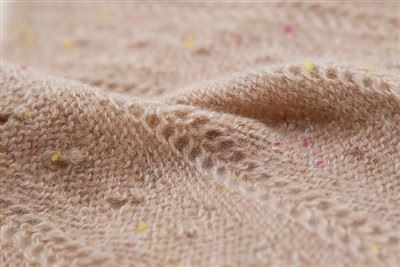
At the end of the day, fancy yarn is all about creativity. It’s about making something that’s unique, that has texture and personality, and machine knitting is just another way to bring that to life. You don’t have to be a master knitter with 20 years of experience—you just need the right yarn, the right machine, and a little help from someone who knows the ins and outs of fancy yarn. I’m that someone. Let’s chat, let’s figure out what you want to make, and let’s make it happen.
Wool Yarn References:
- Knitter’s Magazine. (2022). Machine Knitting with Textured Yarns: A Practical Guide. Interweave Press.
- Textile Institute. (2021). Performance Characteristics of Fancy Yarns for Industrial Knitting Applications. Journal of Textile and Apparel Technology and Management.
- Domestic Knitting Machine Association. (2023). Tips for Knitting with Unconventional Yarns on Home Machines. DKMA Industry Guidelines.
- Yarn Market Report. (2023). Global Fancy Yarn Demand in Small-Batch Apparel and Home Goods. Craft Yarn Council.
Huangshan Aotai Textile Co., Ltd.
As one of the most professional fancy yarn manufacturers and suppliers in China, we’re featured by quality products and good service. Please rest assured to wholesale bulk premium fancy yarn in stock here and get quotation from our factory. We also accept customized orders.
Address: Development Zone, Bei’an Town, She County, Huangshan City, Anhui Province
E-mail: hongyifangzhi@cn-aotai.com
WebSite: https://www.cn-aotai.com/
