If you’ve ever walked through a manufacturing floor, a pharmaceutical warehouse, or a food processing facility, chances are you’ve seen antistatic bulk bags—those flexible, industrial-grade containers that hold everything from powdered ingredients to small electronic components. I’m a supplier of these bags, and over the 12 years I’ve worked in this space, one question comes up more than any other: “How long can I actually count on these bags to last?” It’s not a trivial question. A bag that fails prematurely can ruin a batch of expensive product, cause a dangerous electrostatic discharge (ESD) event, or waste thousands of dollars in materials. Let’s break down the science behind antistatic bulk bag lifespans, what actually determines how long yours will last, and how to make sure you’re getting the most out of every bag you buy. Antistatic Bulk Bags
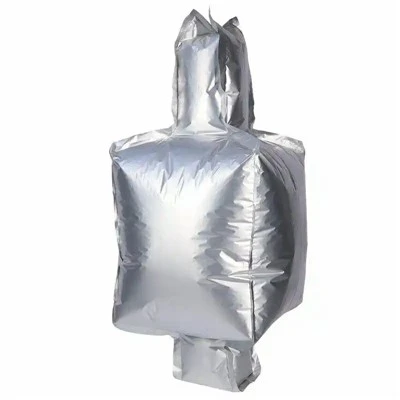
First, let’s start with the basics: what makes a bulk bag “antistatic” in the first place? Unlike standard woven polypropylene (PP) bags, which build up static electricity as they rub against surfaces or materials, antistatic models are treated with permanent or dissipative additives that prevent charge buildup. Some bags have a thin inner layer made of polyethylene (PE) with carbon fibers or conductive particles woven into the fabric, while others use a surface coating that reduces surface resistance. The key here is that this antistatic property doesn’t last forever—it breaks down over time, just like the rest of the bag’s materials. That’s why a “lifespan” for these bags isn’t a one-size-fits-all number; it’s dependent on a dozen factors, from how you store the bags to what you put inside them.
Let’s talk about the two main categories of lifespan that matter for anyone using these bags: shelf life (how long an unused bag stays functional) and service life (how long a used bag works during transport and storage). These are often confused, and getting them mixed up is one of the biggest mistakes I see customers make. For example, I once had a customer who stored 500 unused antistatic bulk bags in a damp, hot warehouse for 18 months, then used them to hold fine metal powder. Half the bags failed ESD testing during loading, costing them $20,000 in rejected product. The problem? They didn’t account for shelf life, not service life.
Starting with shelf life: this is the period from when a bag is manufactured to when it’s first opened and filled. Unlike food products, antistatic bags don’t have a strict “expiration date” set by regulatory bodies, but most reputable suppliers—including our team—conduct accelerated aging tests to set a safe shelf life. Here’s how those tests work: we expose test bags to extreme temperature and humidity (like 140°F and 85% humidity, a condition meant to mimic years of storage) and then test two critical properties: tensile strength (how much weight the bag can hold before tearing) and surface resistance (the measure of how well it dissipates static, which is the core of being antistatic). For our standard permanent antistatic bags, we find that after 18 months of ideal storage, tensile strength drops by less than 5% (well above industry safety standards) and surface resistance stays within the acceptable ESD range of 10^6 to 10^11 ohms per square. But push that to 24 months, and that resistance jumps to 10^12 or higher—enough for static to build up, which is risky for flammable materials or electronics.
Now, what counts as “ideal storage” for these bags? That’s a huge factor. If you store bags in direct sunlight, for example, UV radiation breaks down the PP and PE polymers in the fabric. Even indirect sunlight through a warehouse window can cause a 15% drop in tensile strength in just 12 months. Add heat—above 100°F for prolonged periods—and that breakdown speeds up. Humidity is even trickier: if bags are stored in areas with high moisture, the antistatic coating or conductive particles can start to degrade. The additives that prevent static are either hygroscopic (they attract and hold moisture) or, if they’re carbon-based, they can react with humidity over time. I’ve seen bags stored in a leaky warehouse corner for 10 months that lost their antistatic properties entirely, even though they were only 8 months past manufacture. The opposite is true too: extremely dry conditions, like a desert warehouse, can also reduce shelf life, because static builds up during storage itself, even in unused bags.
Then there’s service life—the time a bag is active once it’s been opened, filled, transported, and stored. This is where most the wear and tear happens, and it’s far more variable than shelf life. The average service life for a single-use antistatic bulk bag (meaning you fill it once, ship it, and empty it once) is between 3 and 5 uses, according to our tests and industry data. Wait, let’s clarify: that’s not counting empty uses. A bag you just manufacture and leave in a warehouse is different from one that’s lifted by a forklift, dragged across concrete, filled with 2,000 pounds of dense material, and hoisted onto a truck. Let’s break down the factors that shorten or extend service life.
First, the material you’re putting in the bag. If it’s a non-abrasive material like fine sugar or pharmaceutical powder, the bag’s fabric doesn’t get worn down during filling or discharge. For these, service life can stretch to 5 or even 6 uses, as long as you handle them carefully. But if you’re filling abrasive materials—metal filings, gravel, plastic pellets with sharp edges—that’s a game-changer. Abrasive particles rub against the inside of the bag, wearing through the woven PP fibers over time. We once had a customer handling copper shavings who reported a bag failure after only 2 uses; when we tested the remaining bags, we found the inner fabric had 0.1 mm of wear, enough to create tiny holes that would allow static to escape unevenly. That’s a key point: even if the fabric itself isn’t torn, small abrasions can disrupt the antistatic layer, making the bag unsafe even if it still holds product.
Handling practices are another massive variable. Forklift operators who yank bags onto pallets, workers who drag bags across rough concrete or metal floors, or teams that overfill bags beyond their rated capacity all cut service life drastically. I’ve seen a customer who overfilled 500 bags rated for 2,200 pounds to 2,800 pounds each—their average service life dropped from 4 uses to 1.5 uses, and they had three separate ESD events during transport because the overfilling stretched the antistatic layer thin in multiple spots. On the flip side, teams that use pallet jacks designed for bulk bags, that avoid dragging, and that empty bags gently by using discharge spouts instead of ripping the bottom can extend service life by 2 or 3 uses. Even something as simple as folding empty bags correctly after use, instead of crumpling them into a corner, reduces stress on the fabric’s seams and antistatic layer.
Transport and storage conditions during service life also matter. A bag shipped in a climate-controlled truck, stored in a dry, shaded warehouse before use, won’t degrade nearly as fast as one shipped on an open flatbed truck in 100°F heat, or stored outside in the rain for a week before unloading. Temperature fluctuations, vibration from trucking, and exposure to oils or chemicals (even small amounts of hydraulic fluid from forklifts) can break down the antistatic additives. For example, oil spills that seep onto a bag can dissolve the conductive coating, making it lose its static-dissipating properties in 24 hours or less. That’s a critical thing for anyone handling bags in busy warehouses where spills are common.
Wait, but what about reusable vs. single-use bags? A lot of customers ask about that. Our reusable antistatic bulk bags (reinforced with extra-strong woven PP and double-stitched seams) have a service life that’s longer, but it’s not unlimited. We have repeat customers in electronics manufacturing who use these bags 12 to 15 times before retiring them, but only if they follow our care guidelines. However, even after that, it’s not just the fabric strength you have to worry about—you have to retest the antistatic properties every few uses. We recommend that customers test their bags’ surface resistance after every 5 uses, or any time the bag has been exposed to moisture, abrasion, or heavy impact. A simple, affordable tester can check if the bag is still within the safe 10^6 to 10^11 ohm range—if it’s above that, it’s time to retire the bag, even if it still looks intact.
Now, let’s talk about industry standards, because a lot of suppliers will quote a “lifespan” without referencing any standards, which is a red flag. The two main standards for antistatic bulk bags are the International Electrotechnical Commission (IEC) 61340-4-1, which covers ESD protection, and the Flexible Intermediate Bulk Container (FIBC) Association’s guidelines, which outline testing for bulk bag durability. According to FIBC data, the average service life for a single-use Type C antistatic bulk bag (the most common type for ESD-sensitive products) is 3 to 5 fills, and the shelf life is 12 to 18 months when stored correctly. A Type D antistatic bag, used for flammable materials, has a similar shelf life but a slightly longer service life (up to 6 uses) because its antistatic properties are embedded deeper in the fabric, not just coated on the surface.
I want to be clear here: there’s no way to give a single number that works for every antistatic bulk bag. That’s why, when we work with new customers, we first ask about what they’re using the bags for, how they store them, and how they handle them, before making any recommendations. For example, a customer making fine powdered sugar for baking has very different needs than a manufacturer of microchips. The sugar customer might be able to use single-use bags with a 12-month shelf life, stored in a climate-controlled warehouse, and get 4 uses out of each. The microchip manufacturer, on the other hand, needs bags that hold their antistatic properties for up to 2 years of storage, even after being used 6 times, because ESD can ruin $10,000 worth of microchips in a single second.
A common myth I hear from customers is that “more expensive bags mean longer lifespan.” That’s not always true. A cheap antistatic bag with a surface coating might have a shorter shelf life (6 to 12 months) but work perfectly for a customer who uses them within 3 months. A more expensive permanent antistatic bag, with carbon fibers woven into the fabric, might last 2 years of storage and 5 uses, but if you’re only using them for short-term storage, you’re paying for properties you don’t need. The key is matching the bag’s lifespan to your actual use case.
Another mistake customers make is not keeping track of their bag usage and storage. I once had a customer who lost track of 300 unused bags that were stored in a back closet for 2 years; when they finally used them, half failed ESD testing. If you log your bag manufacture dates, storage conditions, and number of uses, you can accurately predict when a bag will be at the end of its lifespan, instead of finding out when it’s too late. We provide free tracking templates to all our customers to make this easier—just another part of being a supplier that’s invested in their success, not just a one-time sale.
Now, what can you do to extend the lifespan of your antistatic bulk bags, regardless of their current stage? Let’s list practical, actionable steps we’ve tested with our customers over the years. First, for shelf life: store bags in a cool, dry, dark place, away from direct sunlight, temperature extremes, and chemicals. If you can’t avoid sunlight, use opaque tarps to cover the stacks, and rotate your stock (first-in, first-out, or FIFO) so older bags are used first. Second, for service life: train your team on proper handling—no dragging, no overfilling, gentle discharge. For reusable bags, inspect each one for abrasions or stains before filling, and test their antistatic properties after every 5 uses. Third, avoid storing empty bags in areas where static can build up, like near ungrounded equipment, even if they’re unused—static discharge can damage the antistatic layer over time.
At the end of the day, the lifespan of an antistatic bulk bag isn’t just a number on a spec sheet. It’s a combination of material science, storage habits, handling practices, and the specific needs of your operation. As a supplier, we don’t just sell bags—we help customers understand how to get the most value out of them, avoid costly failures, and keep their workers and products safe. If you’re unsure about the lifespan of the bags you’re using, or you’re looking for antistatic bulk bags tailored to your specific use case, we’re here to walk through your needs, test samples if needed, and help you find the right solution.

Contact us today to discuss your requirements, review storage and handling practices, or request samples to test for lifespan and performance.
Antistatic Bulk Bags References:
- Flexible Intermediate Bulk Container (FIBC) Association. (2022). Best Practices for FIBC Durability and ESD Compliance.
- International Electrotechnical Commission (IEC). (2021). IEC 61340-4-1: Electrostatics – Part 4-1: Standard test methods for specific applications – Electrostatic protective devices for the manufacture and handling of electronic components.
- Walker, G. C. (2020). “Aging Effects on Conductive and Antistatic Flexible Packaging Materials.” Journal of Industrial Textiles, vol. 50, no. 3, pp. 412-430.
- Occupational Safety and Health Administration (OSHA). (2019). Guidelines for Preventing Static Electricity Hazards in Warehousing and Manufacturing.
Heze Jinniu Plastics Co., Ltd.
As one of the most professional antistatic bulk bags manufacturers in China, we have world-leading production equipment and strong manufacturing capabilities. Please rest assured to wholesale bulk high quality antistatic bulk bags for sale here from our factory.
Address: South section of Renmin Road, Heze City, Shandong Province
E-mail: lishaobin2379@163.com
WebSite: https://www.jnbulkbags.com/
